Once upon a time in…
Congo-Brazzaville
Sept 9 - 18, 2026
USD 14,520
We are confident to say this is unlike anything you have ever lived before. This journey was the most eye-opening wildlife experience we had ever lived ourselves…
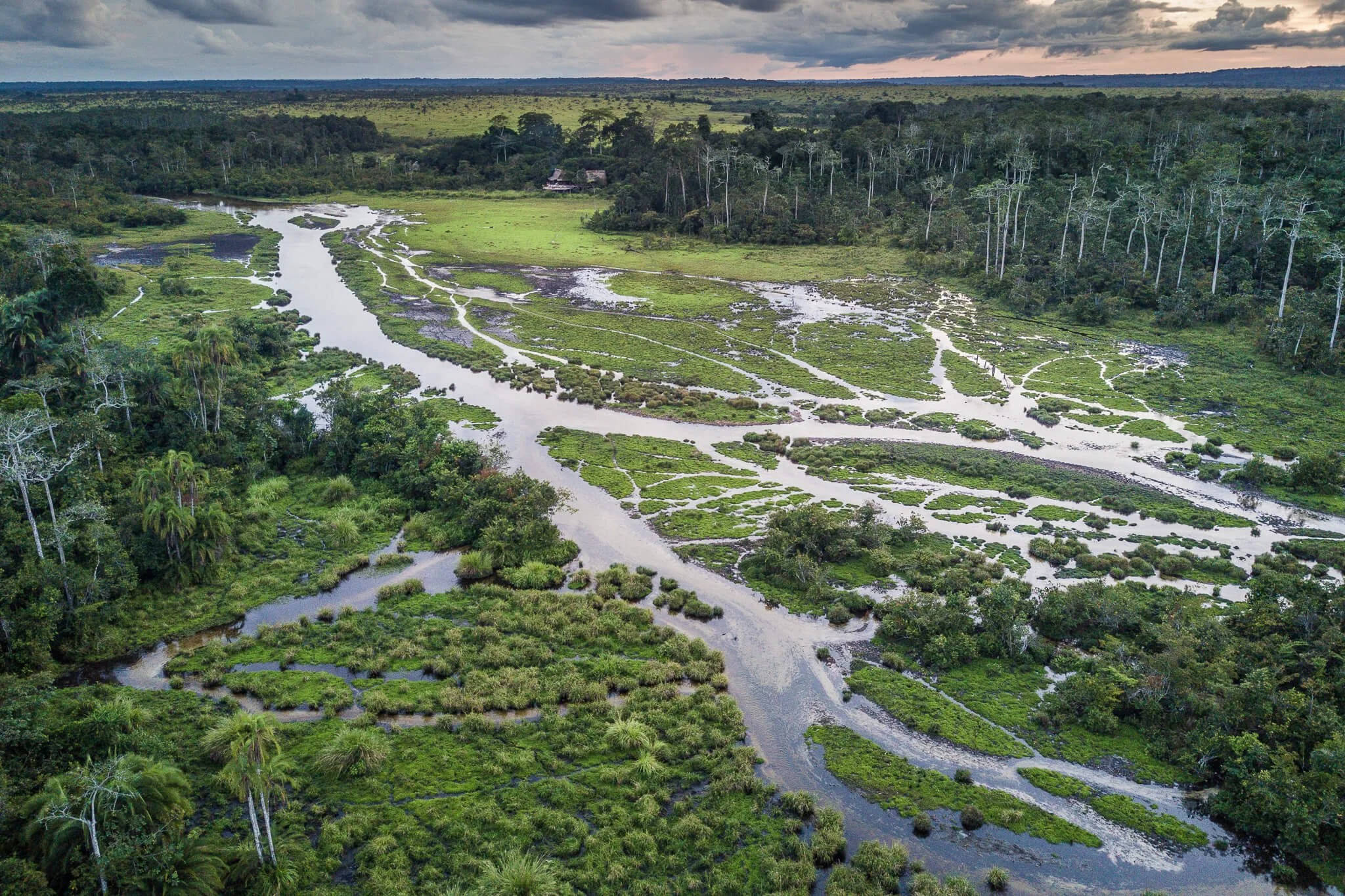
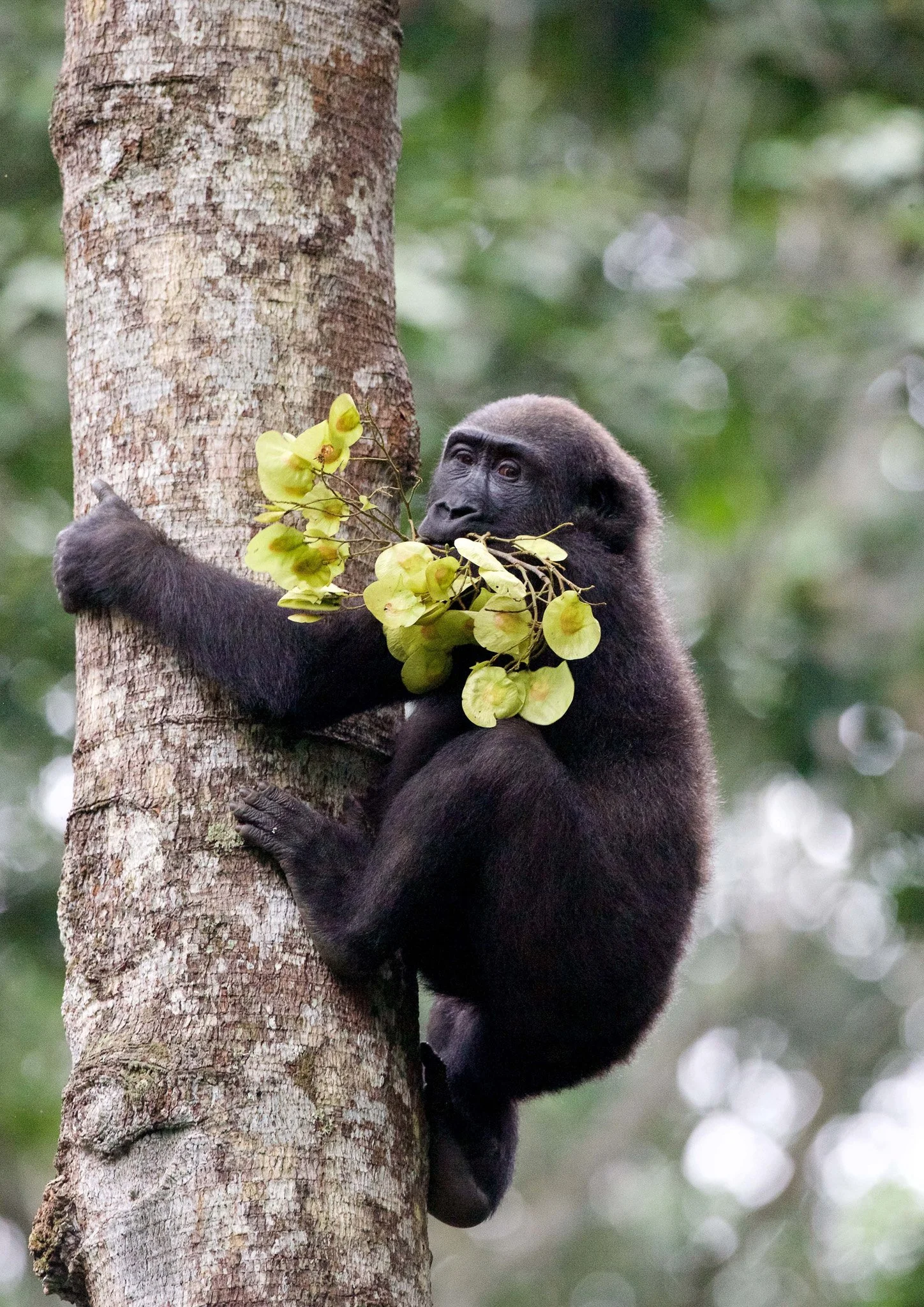
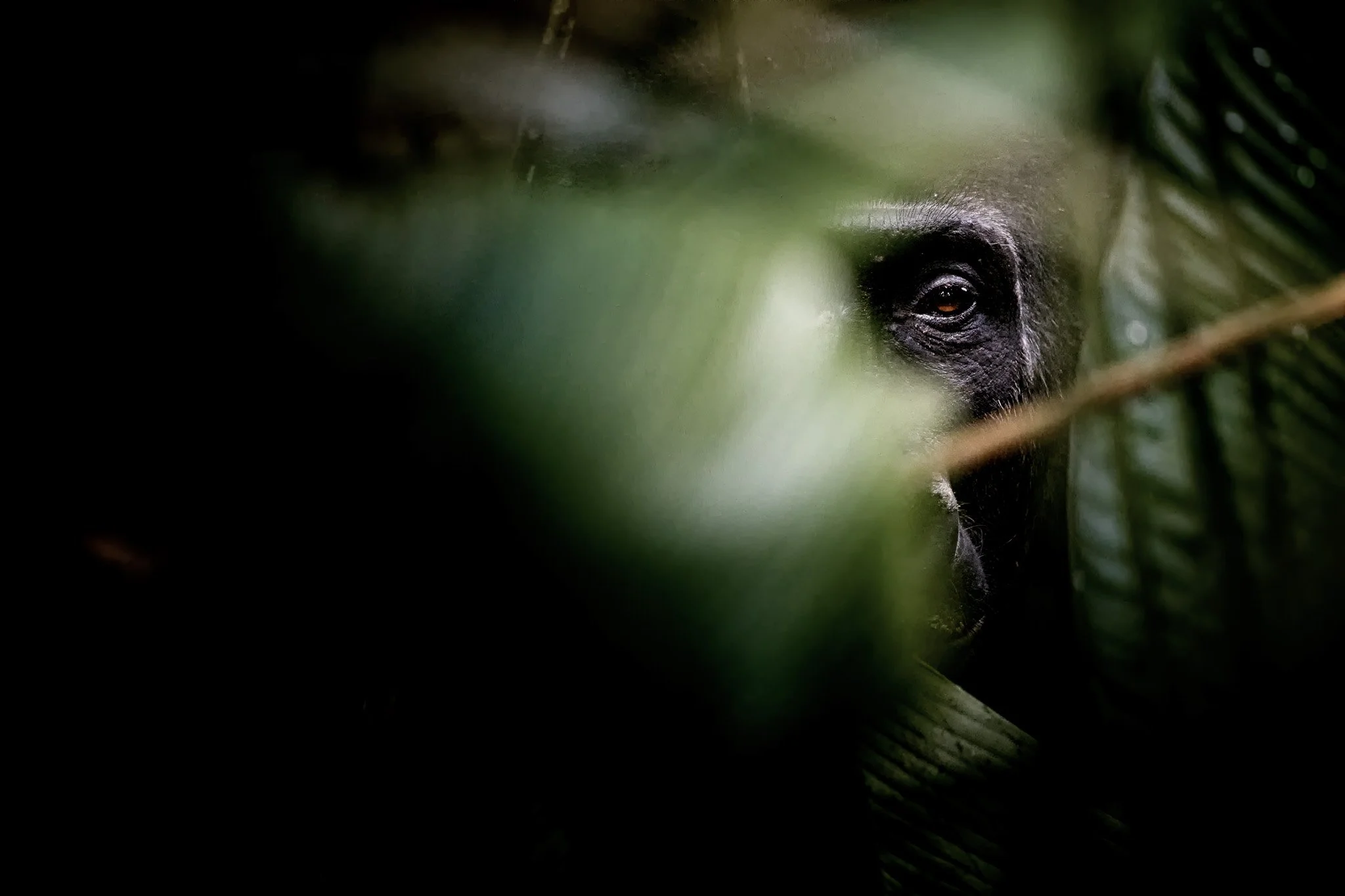
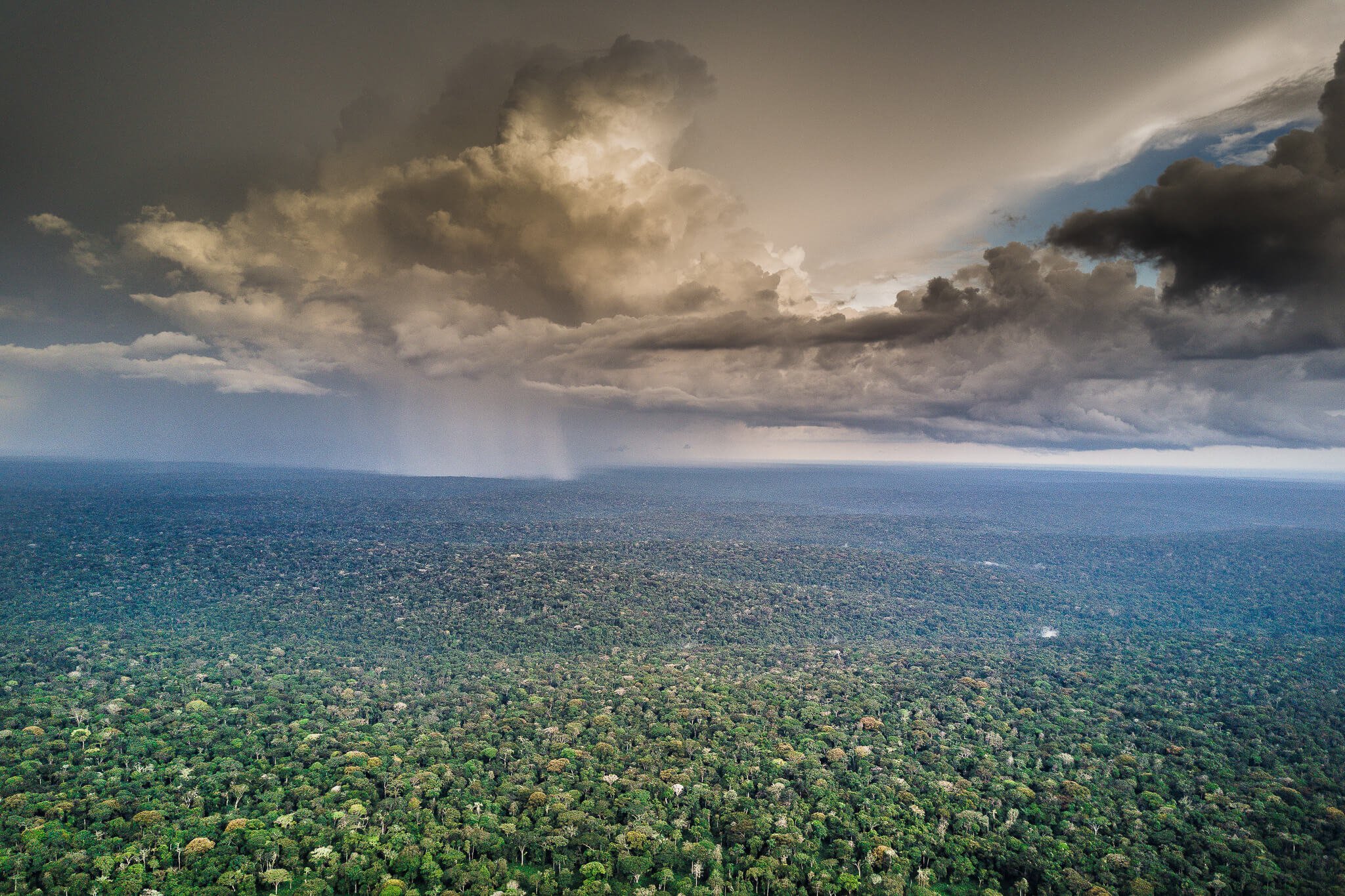
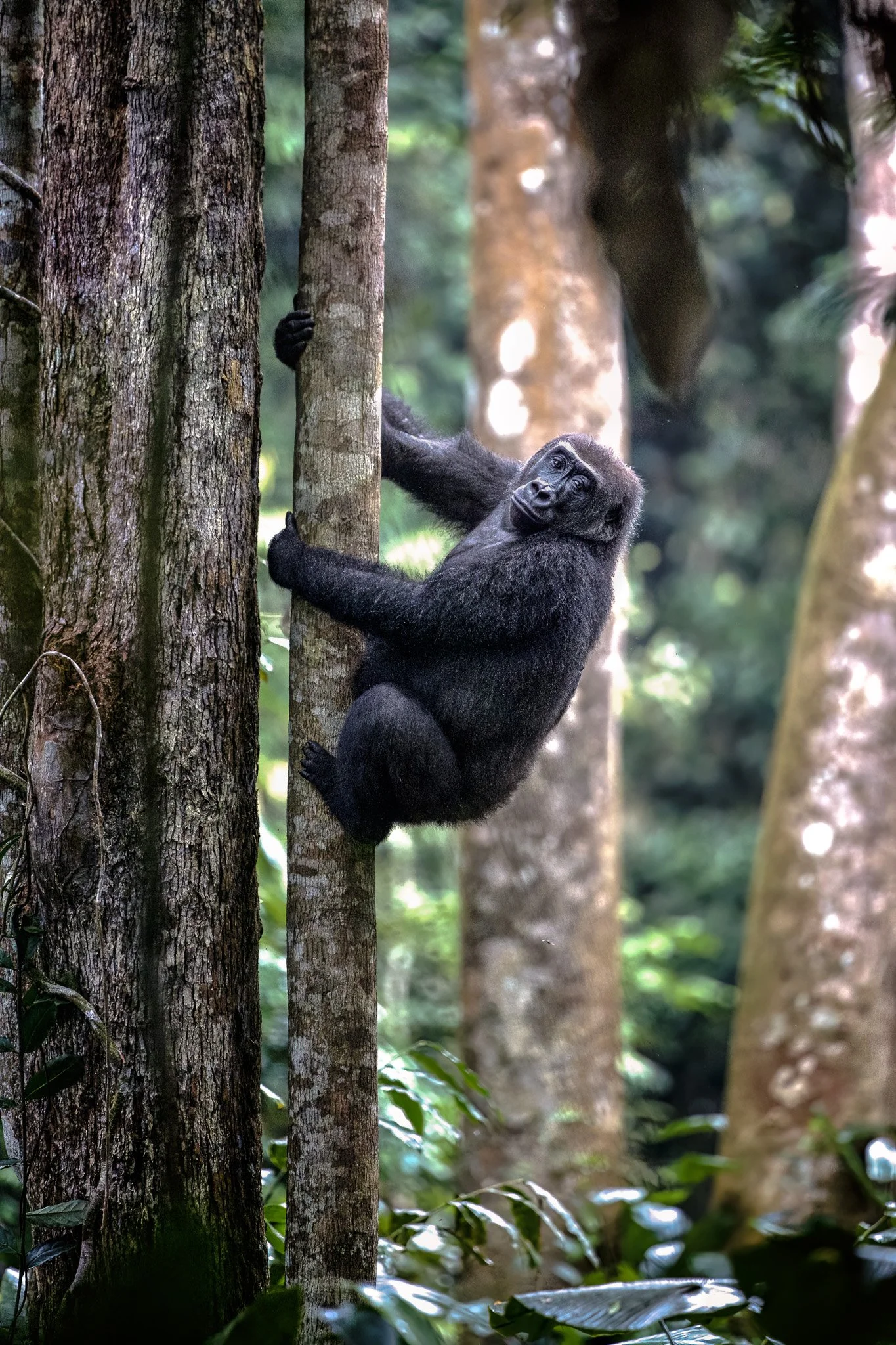
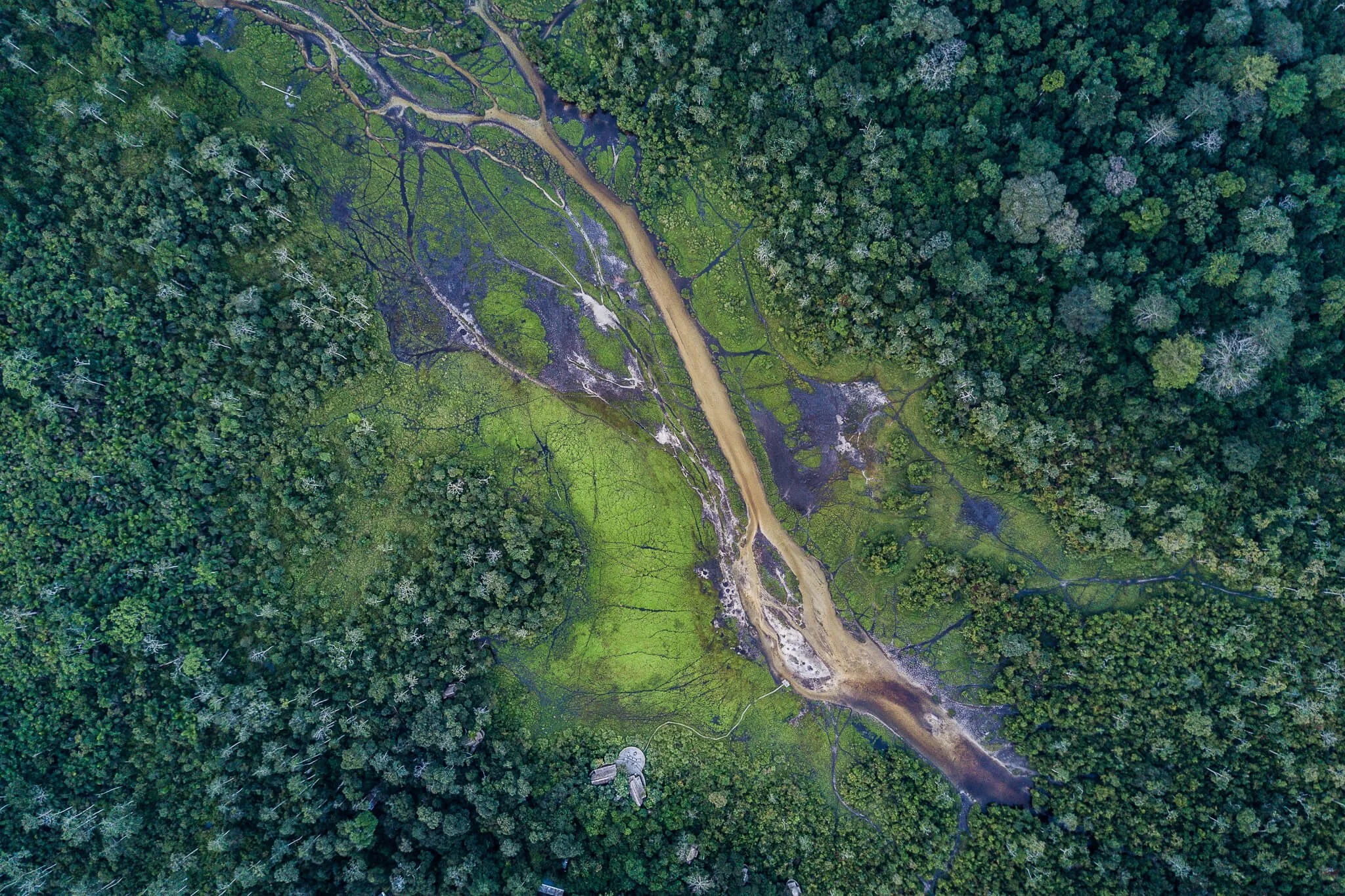
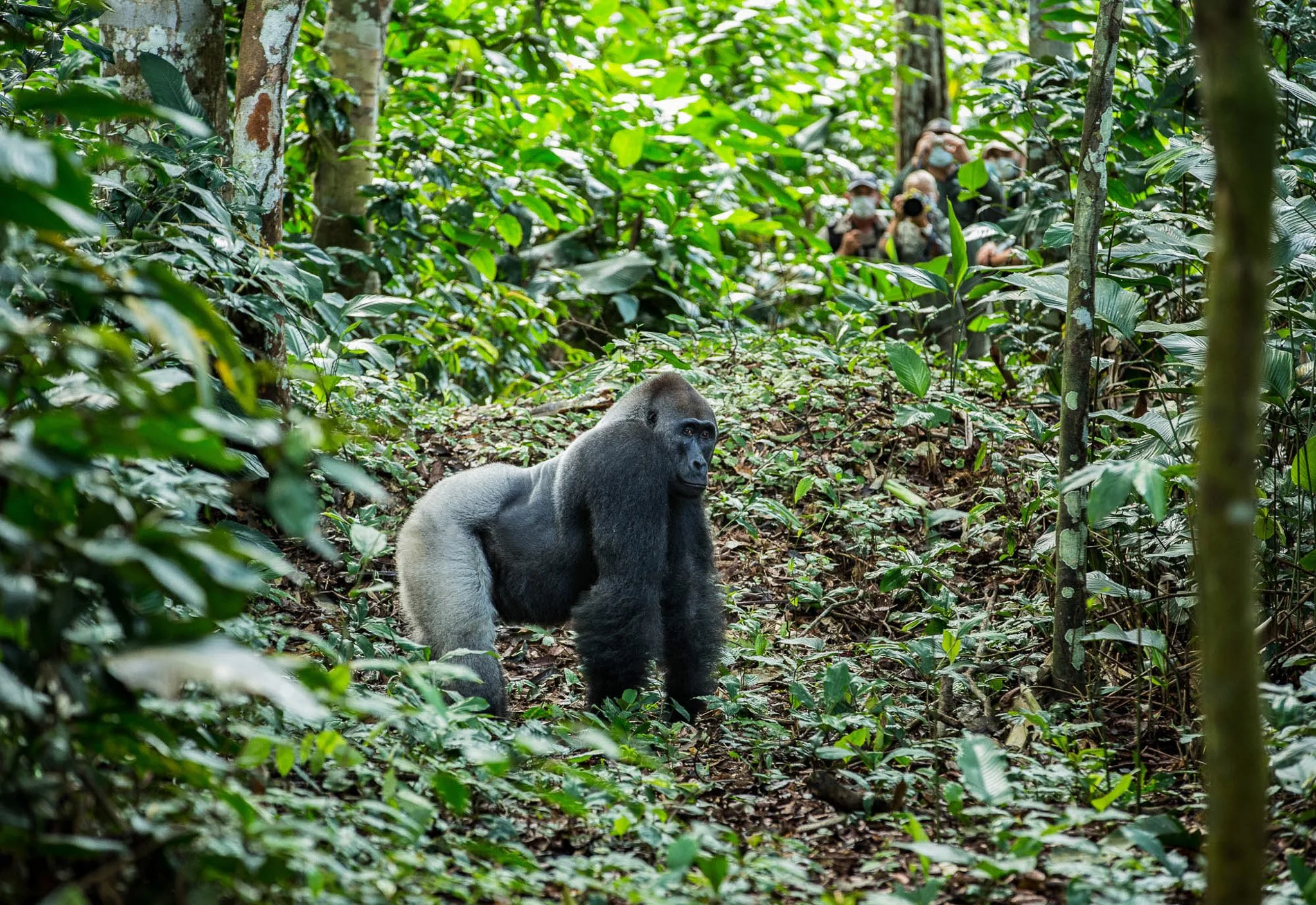
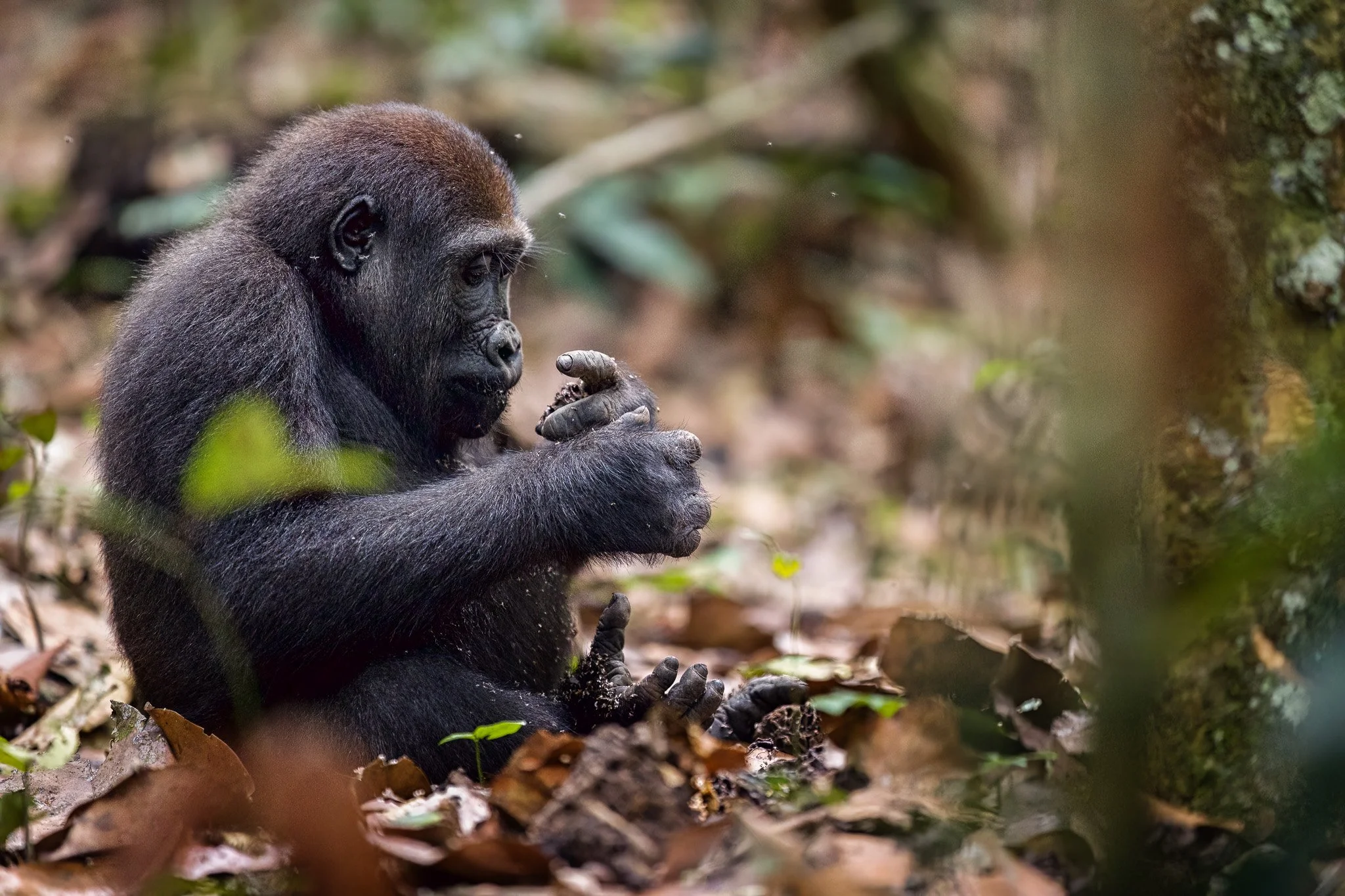
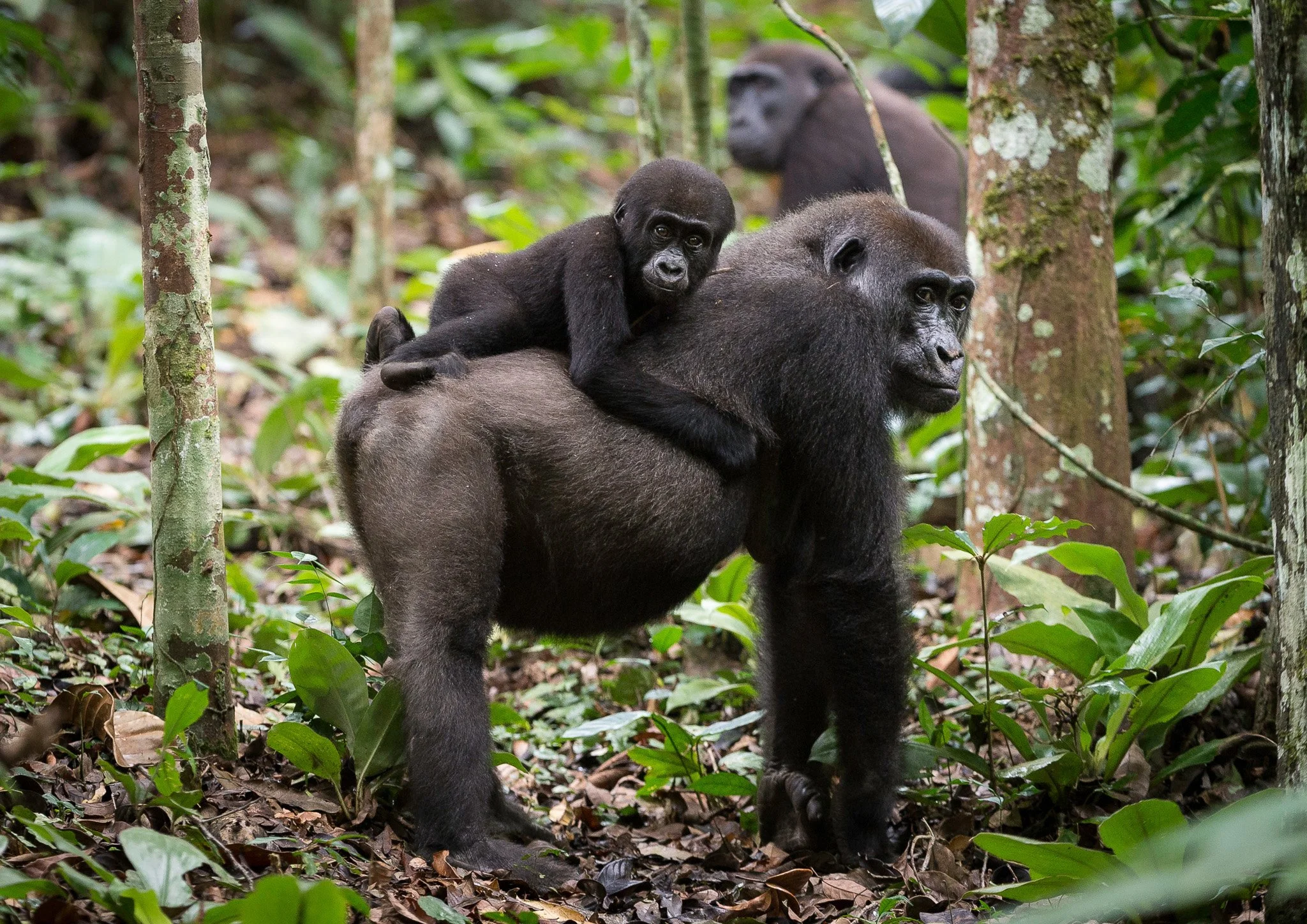
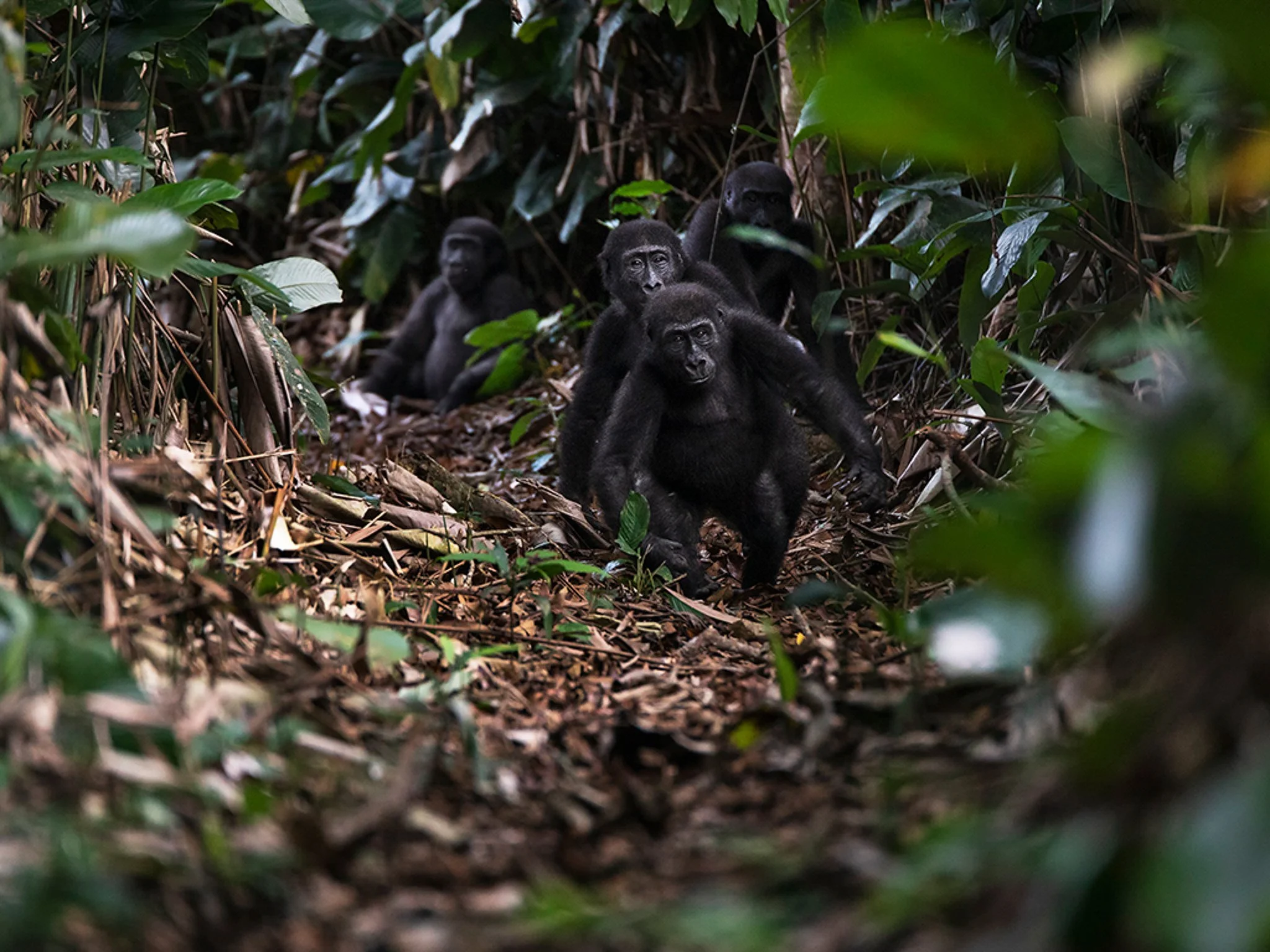
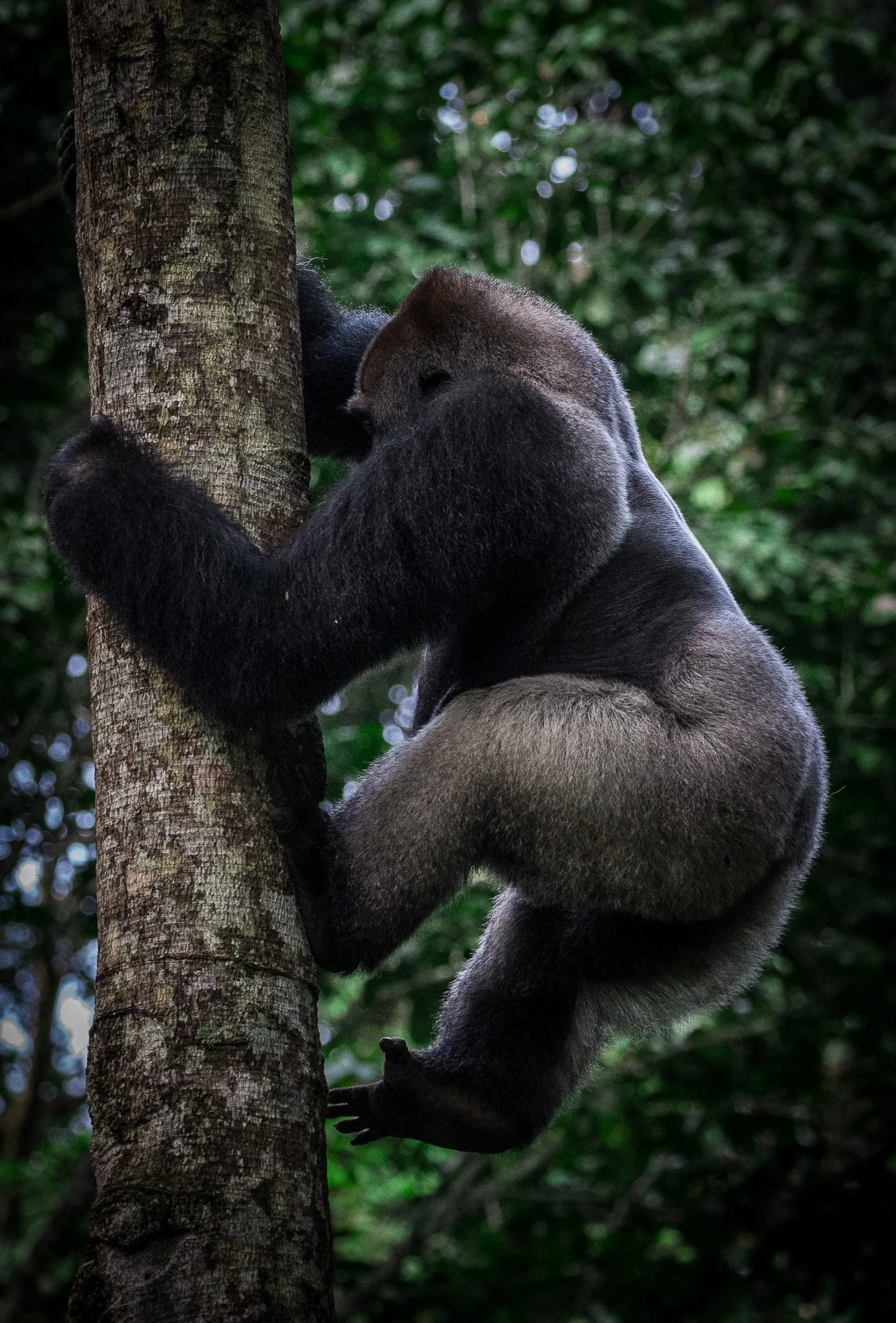
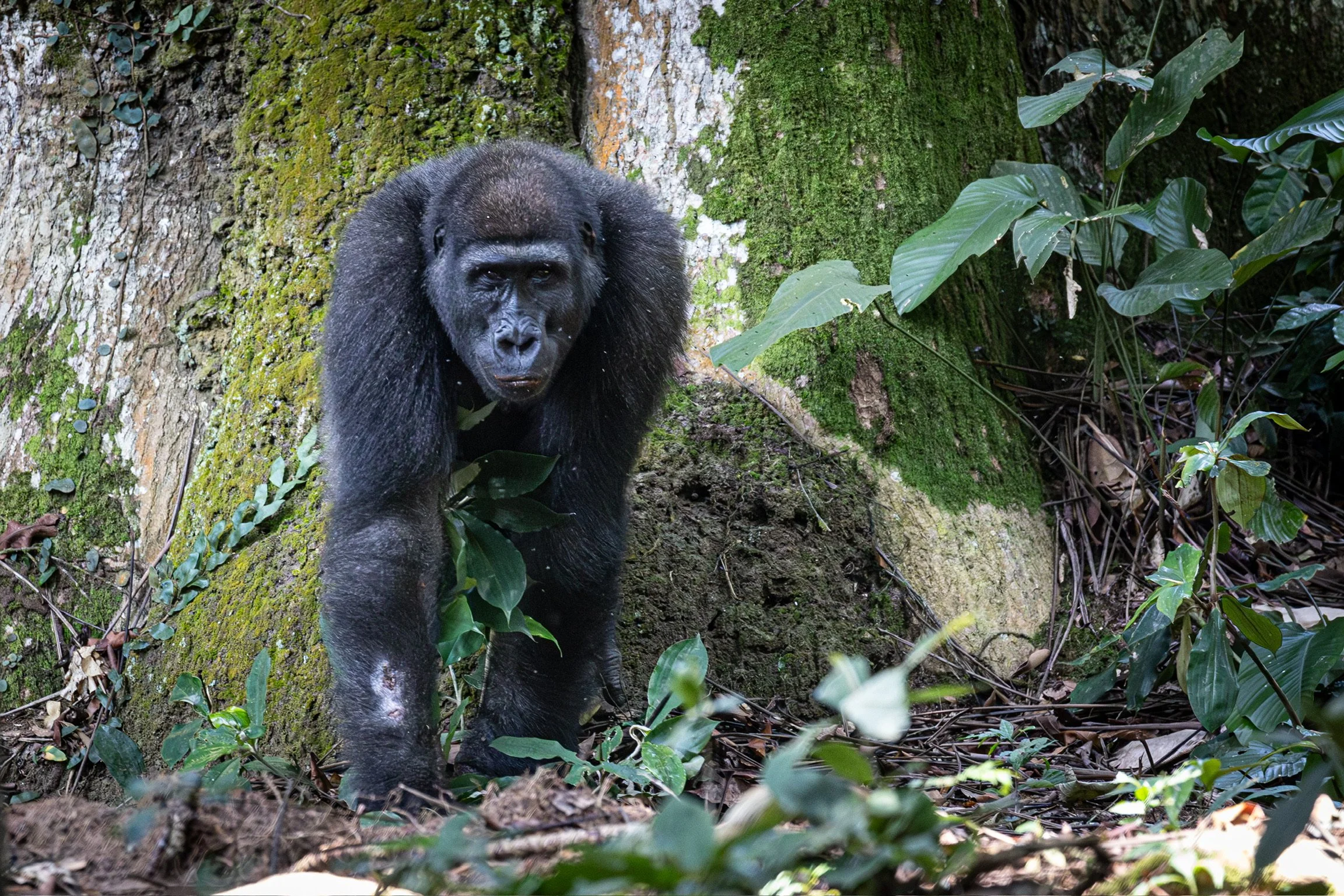
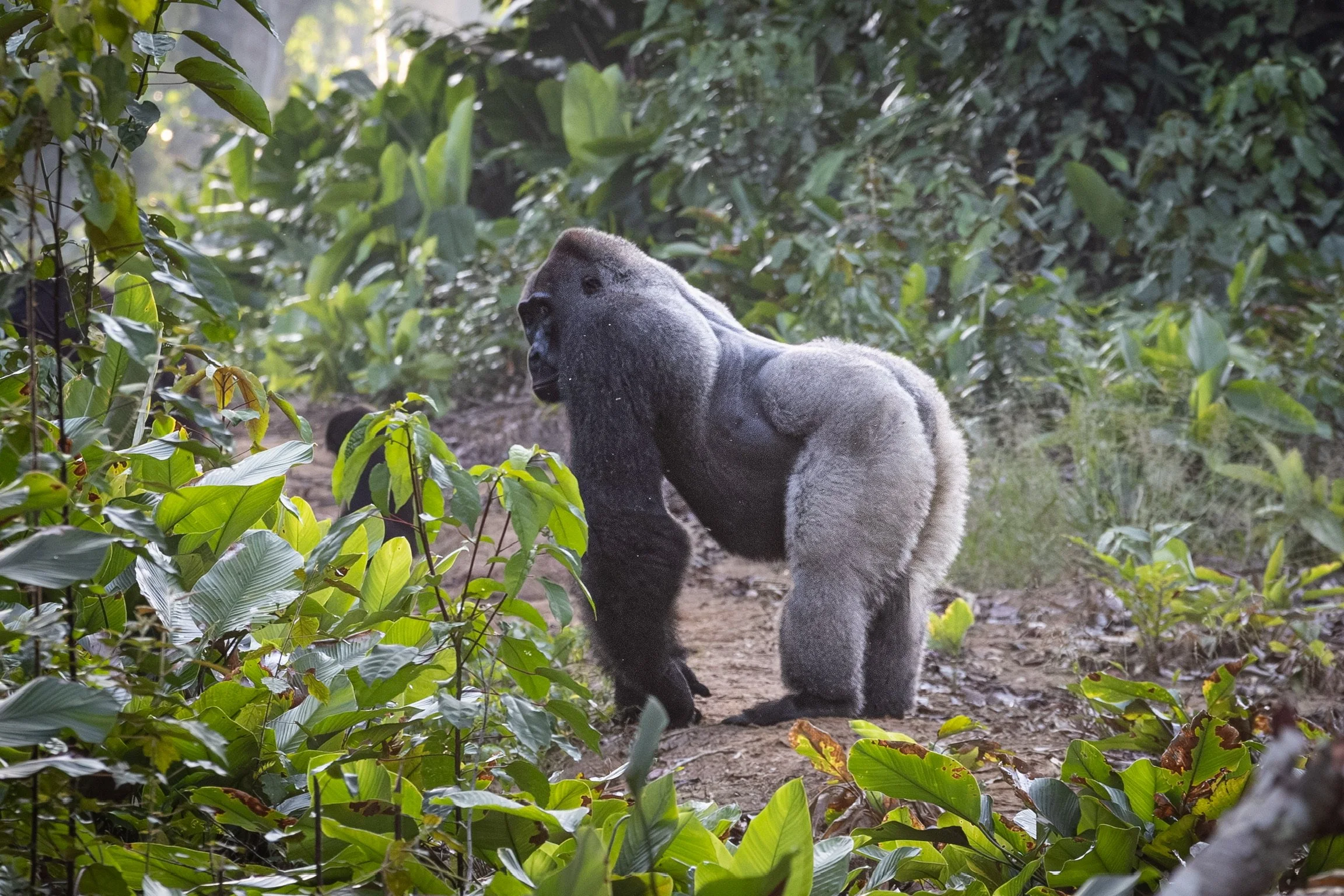
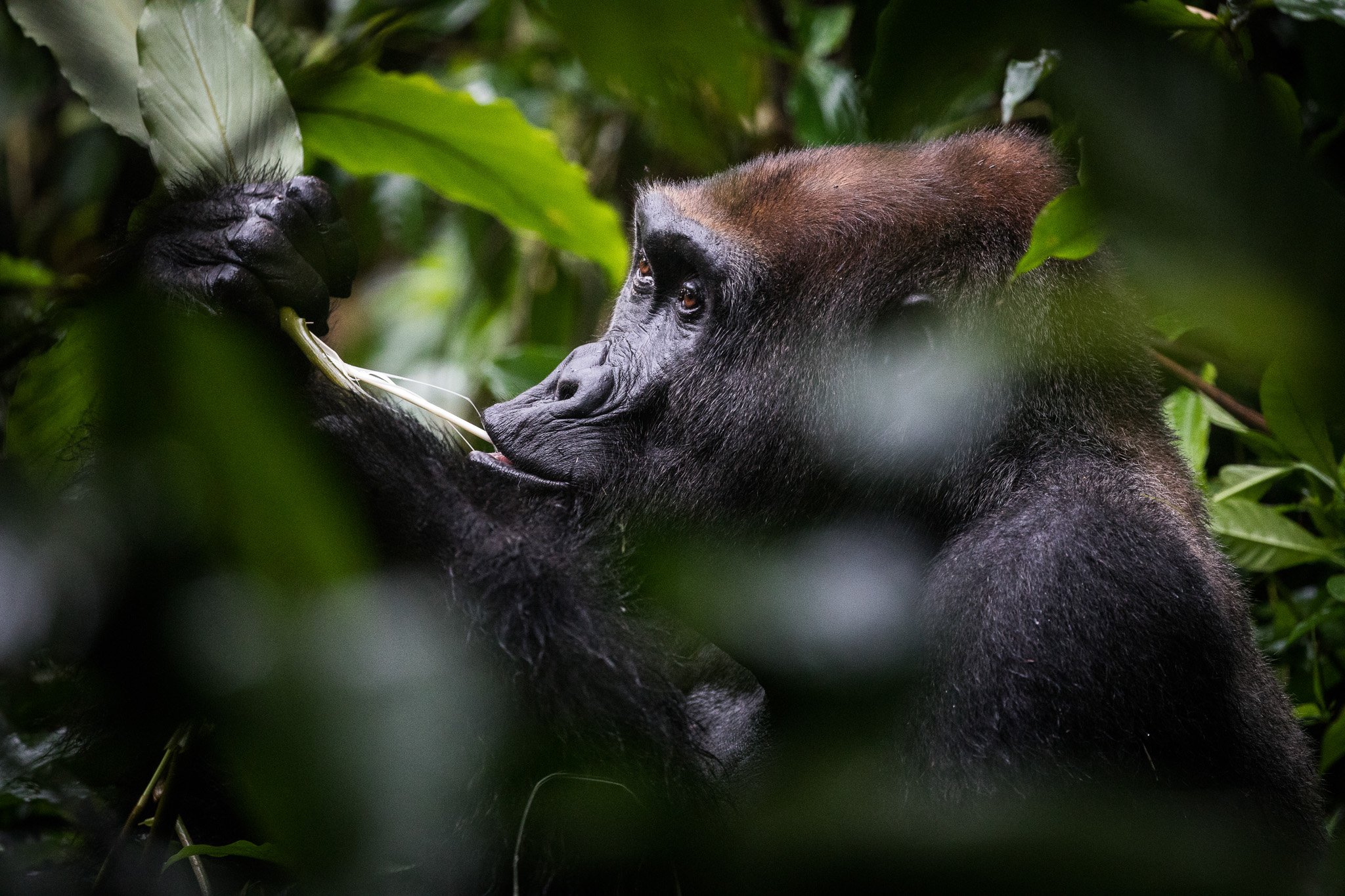
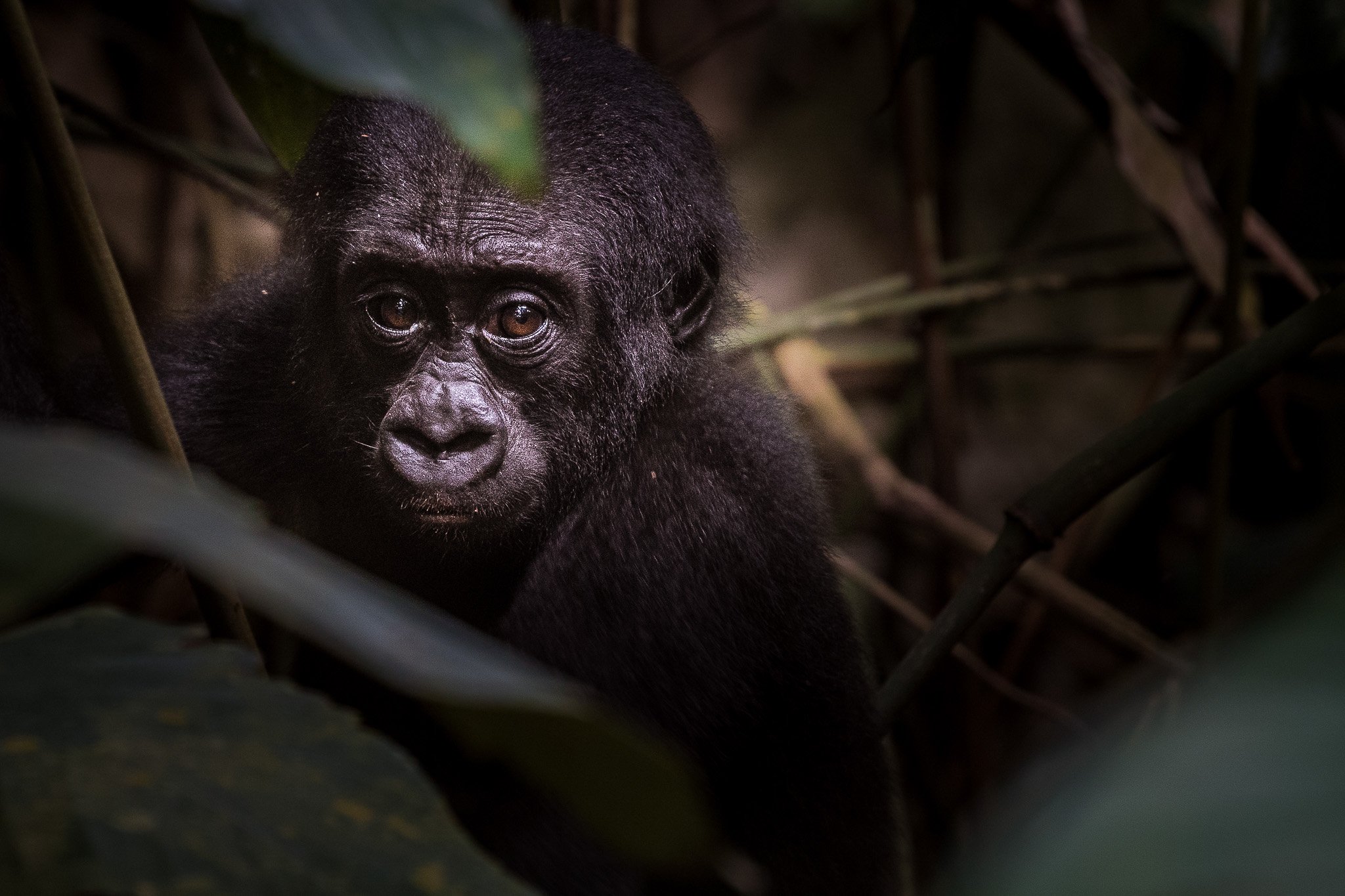
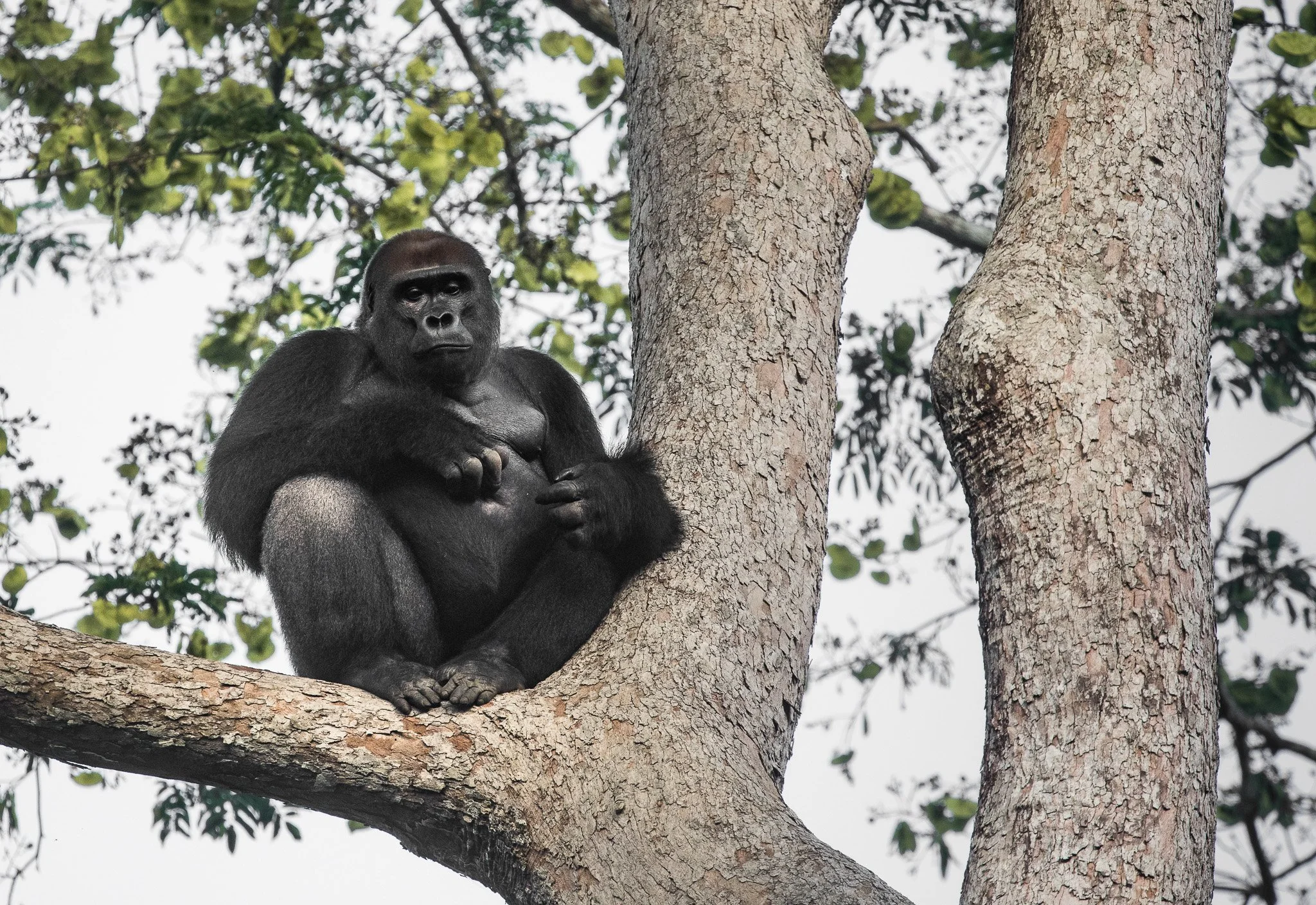
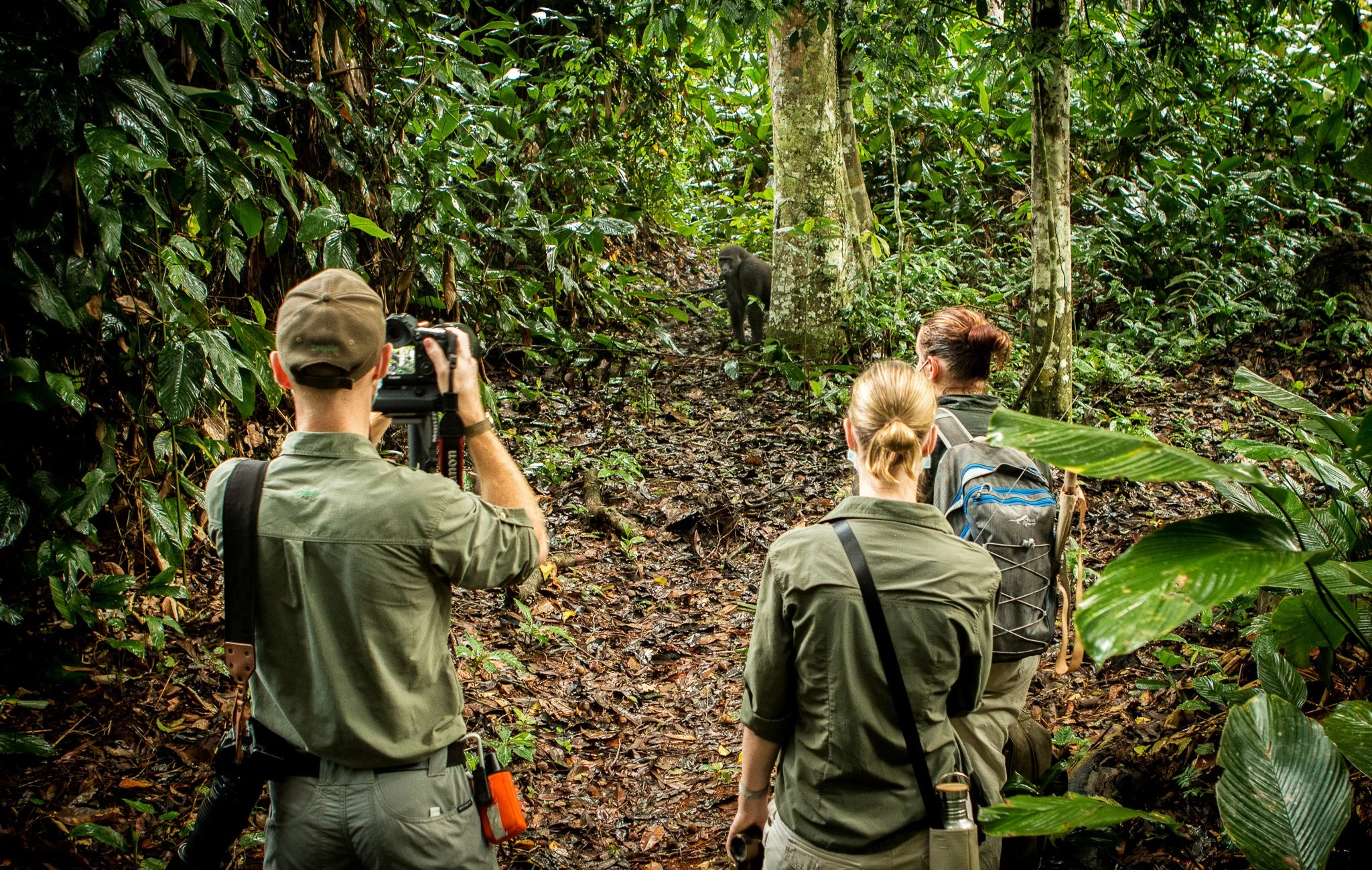
We invite you inside the second largest rainforest in the world after the Amazon, a barely-visited region to the wider world. One of Africa’s last pristine ecosystems. Home to the Majestic Western Lowland gorillas, and far more. Welcome to Africa’s biggest wildlife secret...
The congo basin
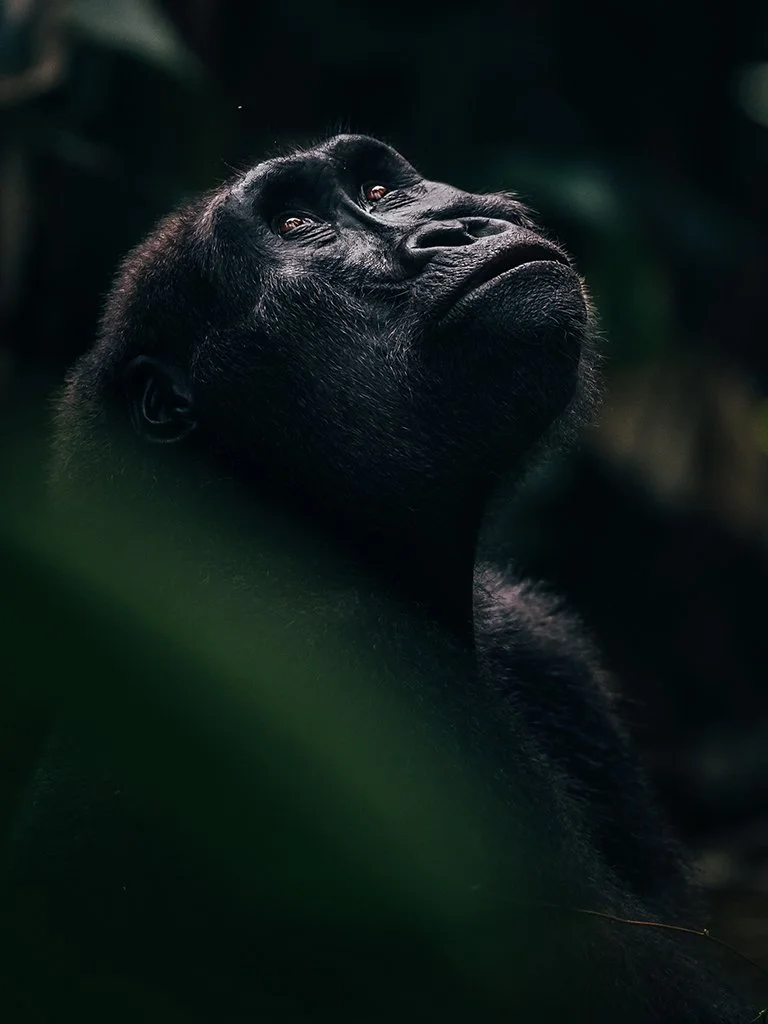
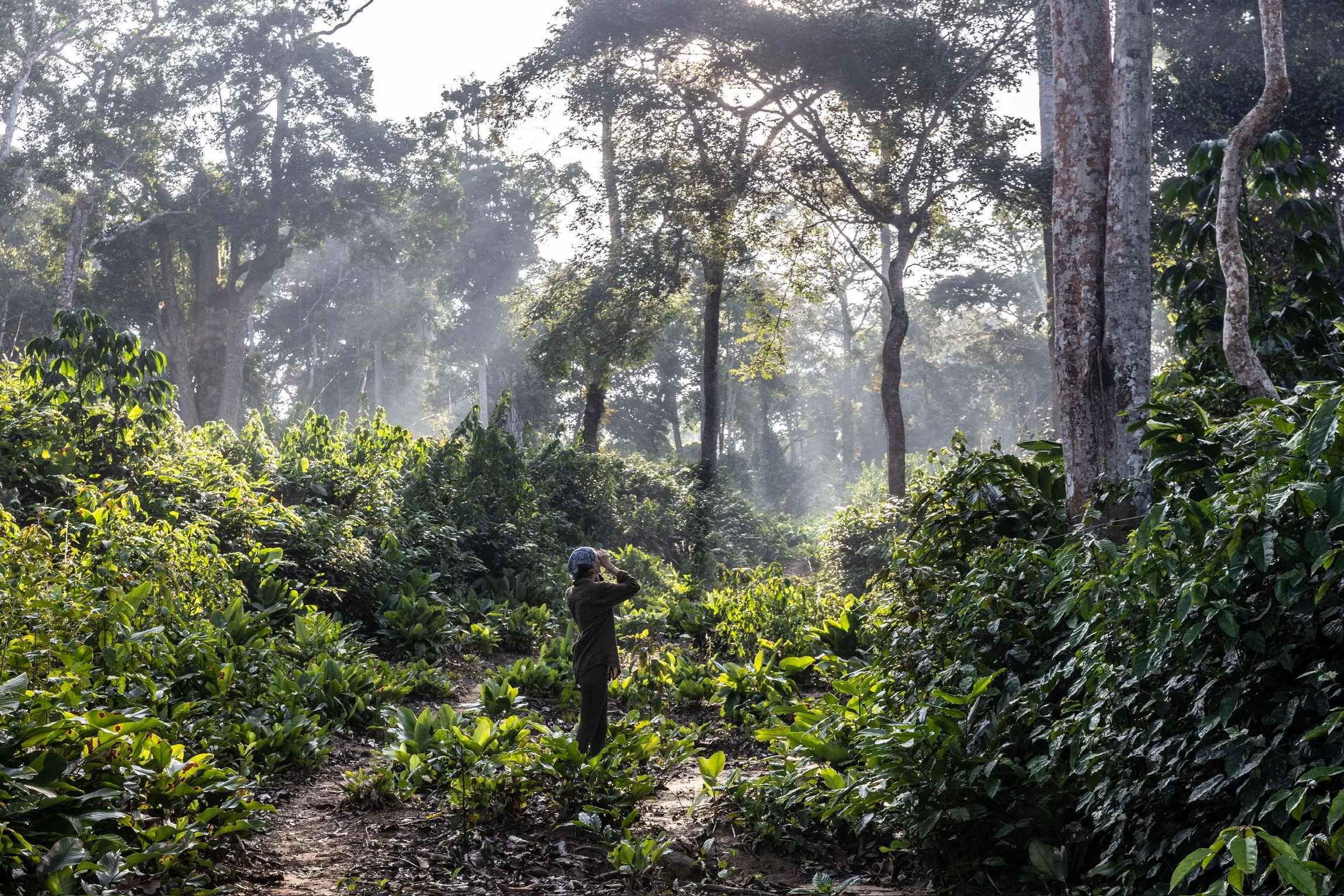
Not to be confused with the Democratic Republic of Congo (DRC), this journey takes you 200 miles west to a different country altogether: the safe and politically stable Republic of the Congo, also known as Congo-Brazzaville. It contains one of the largest intact tropical forests left on Earth. So lace up your boots and dive with us in the heart of this lush wonder...
West Africa’s best kept secret
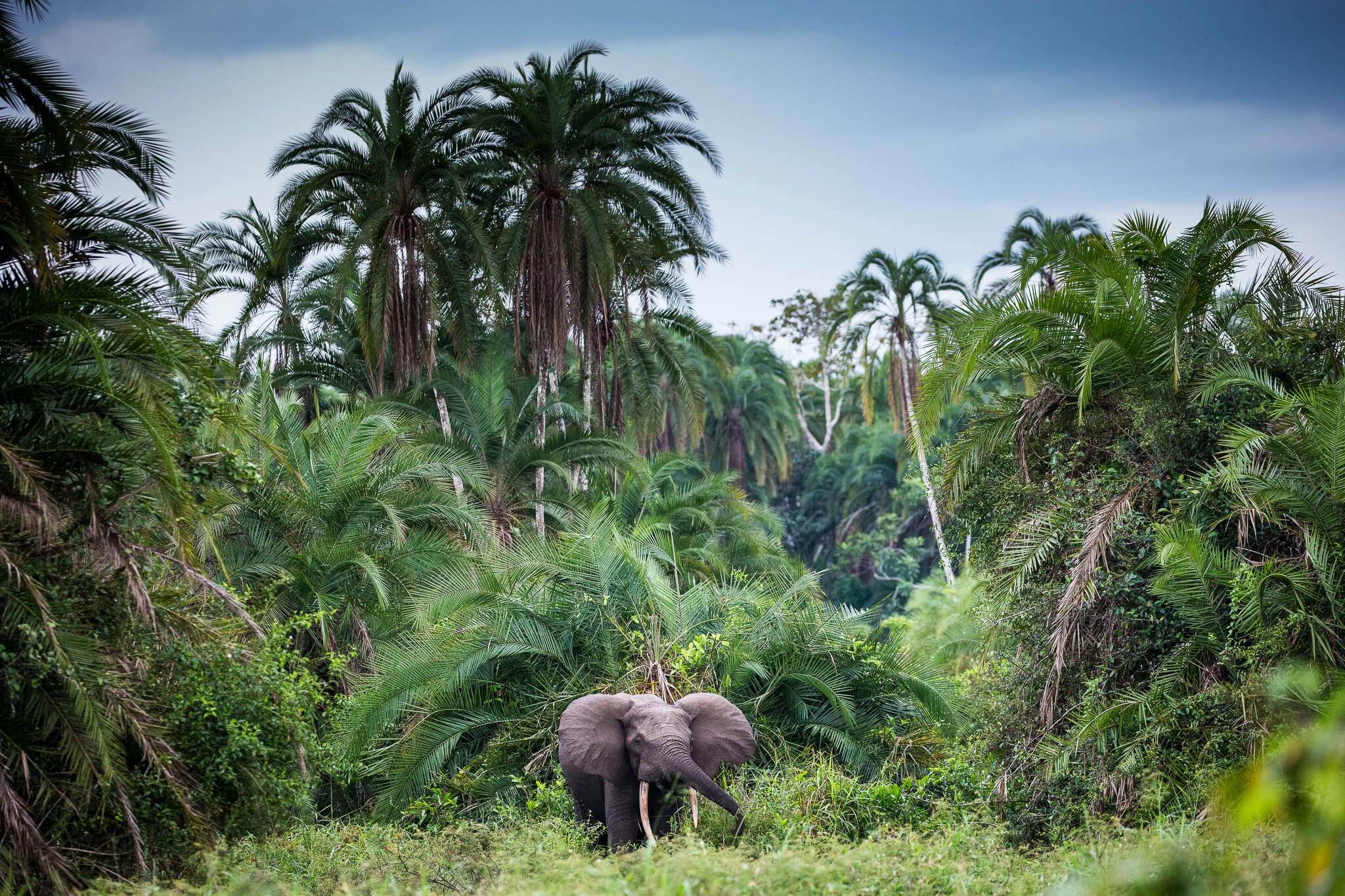
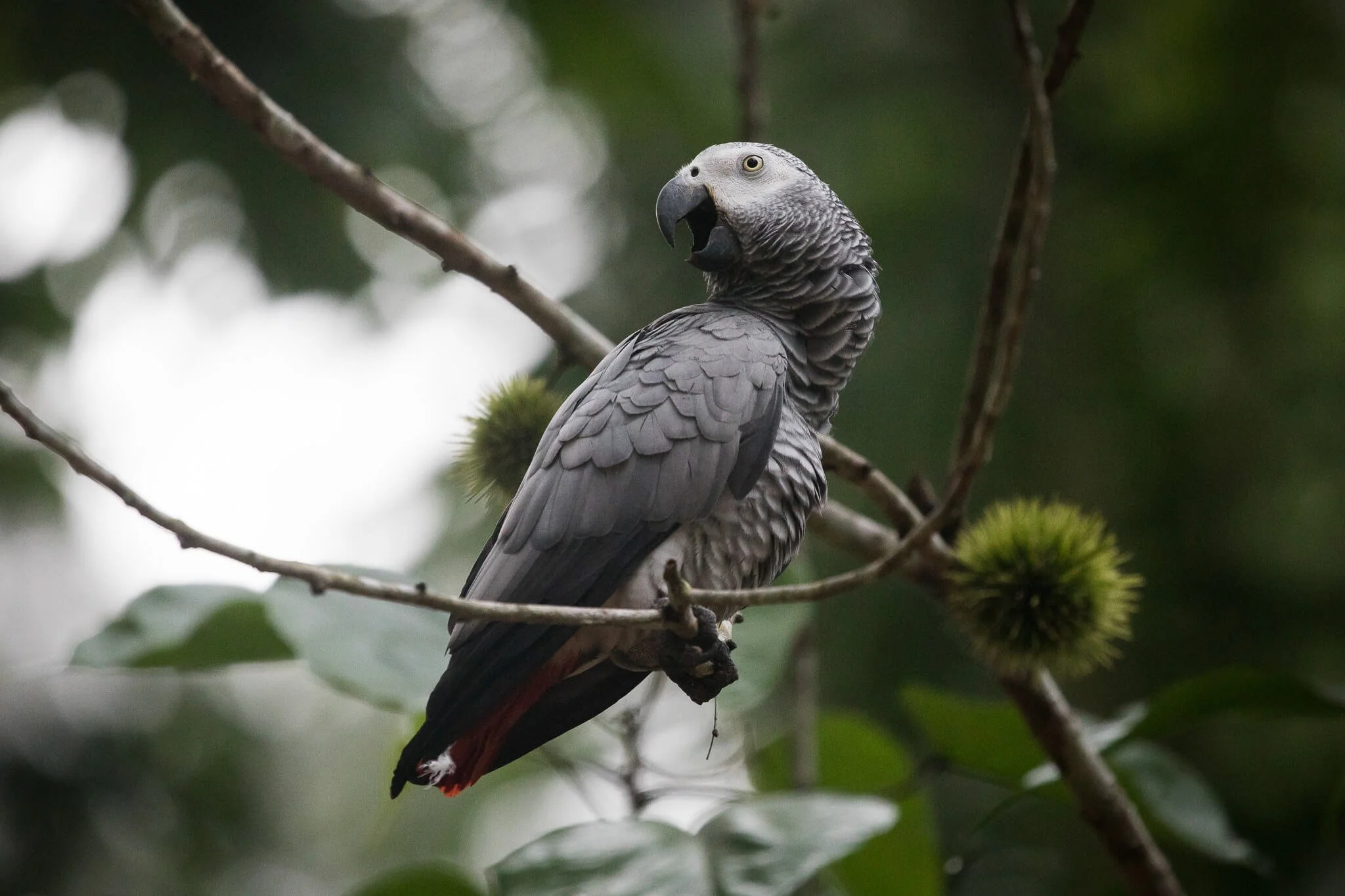
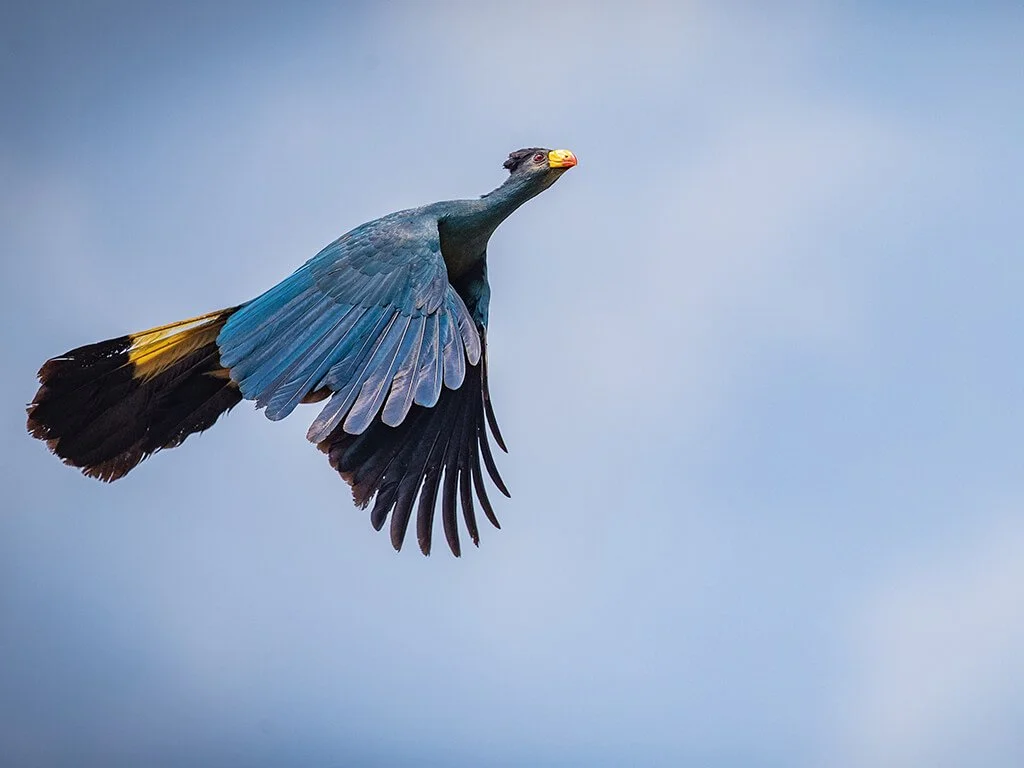
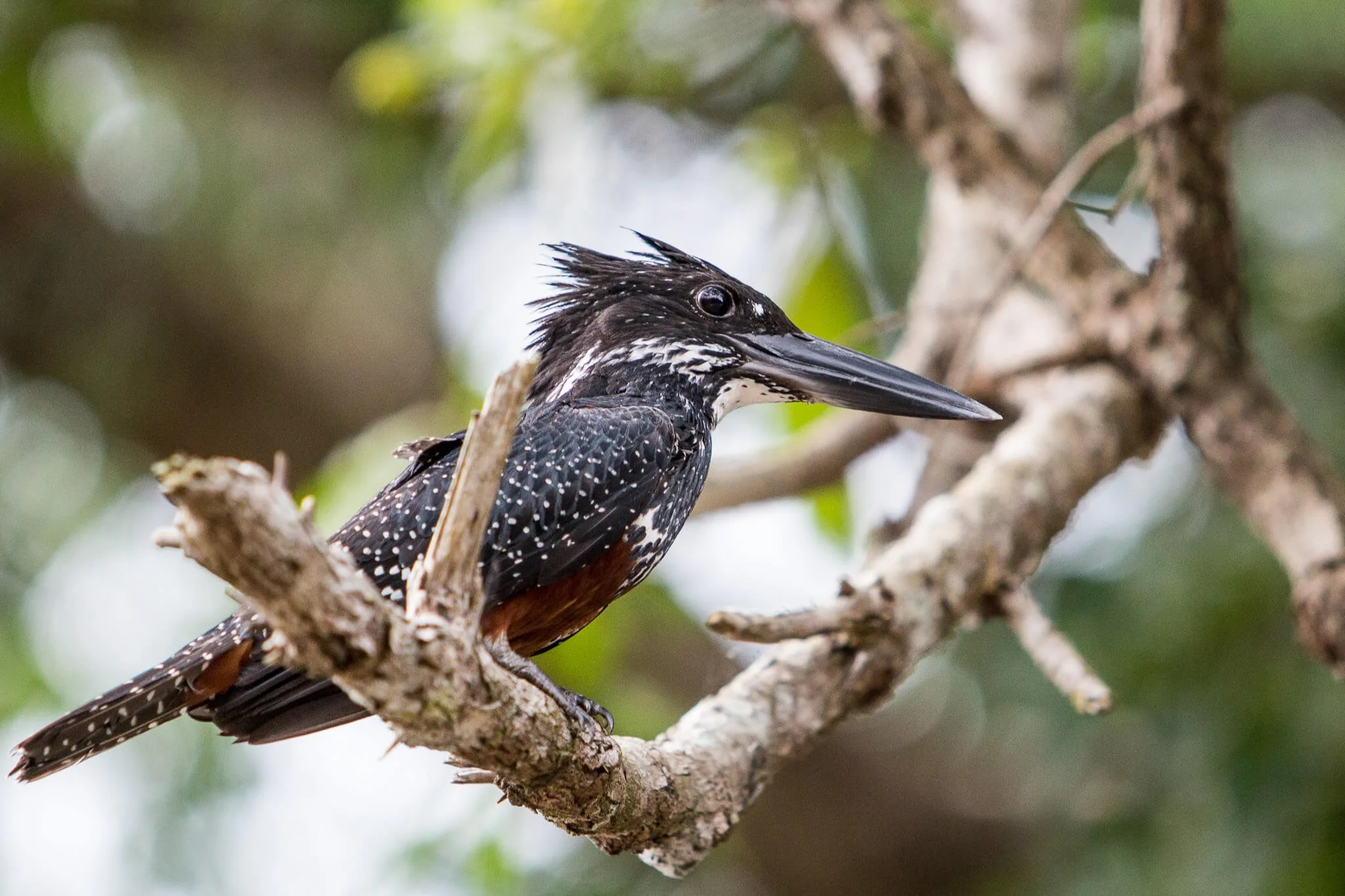
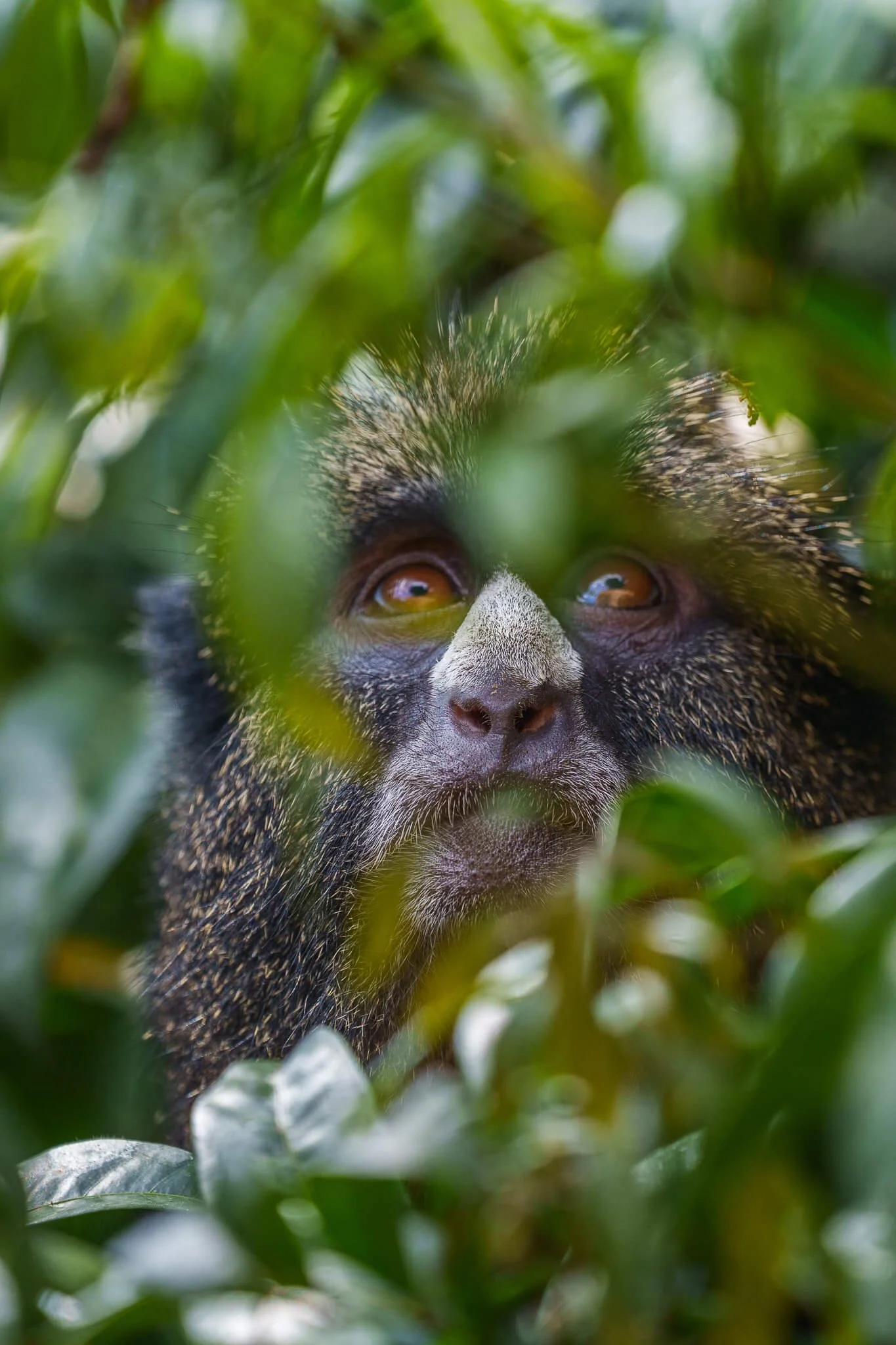
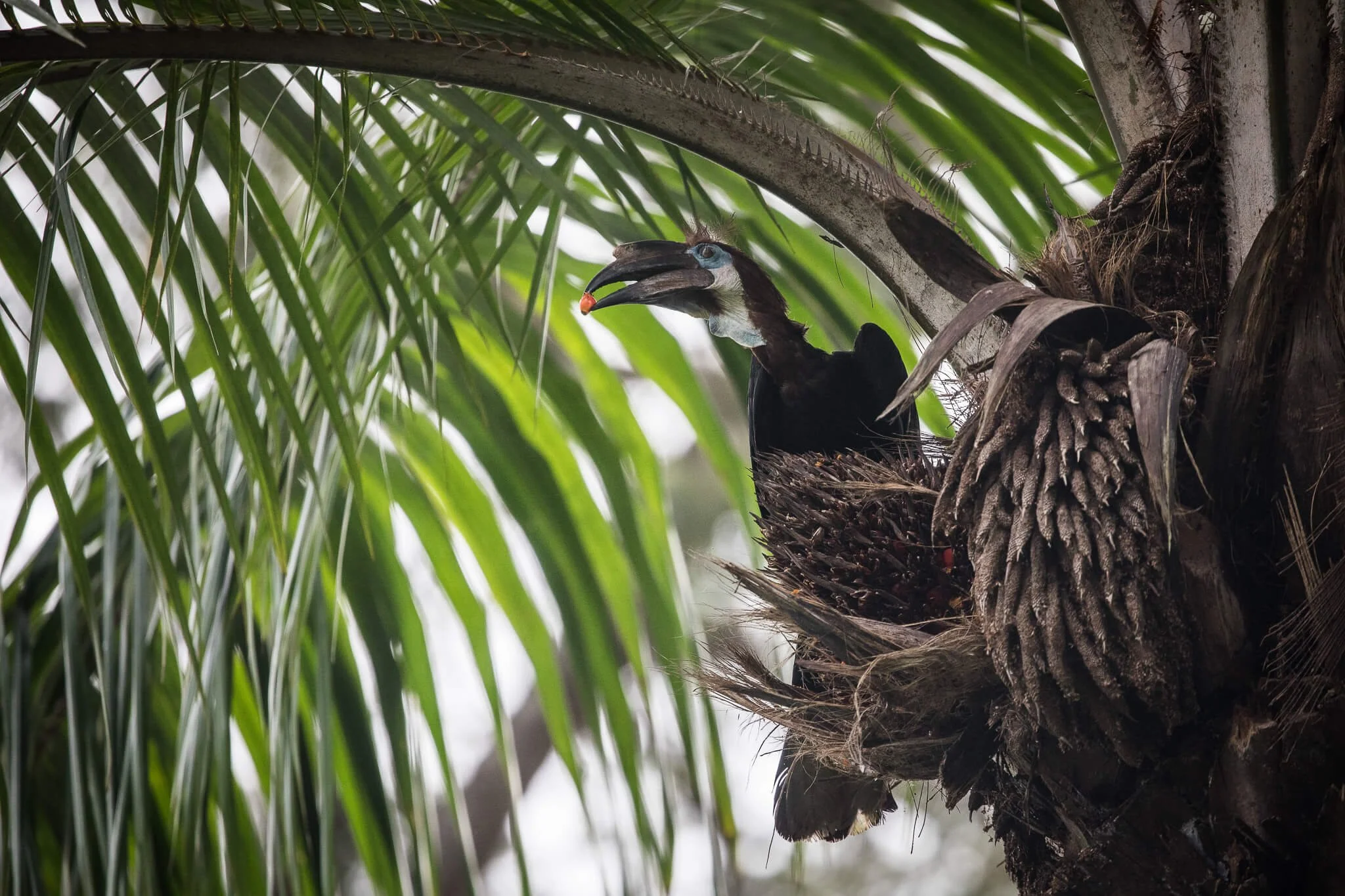
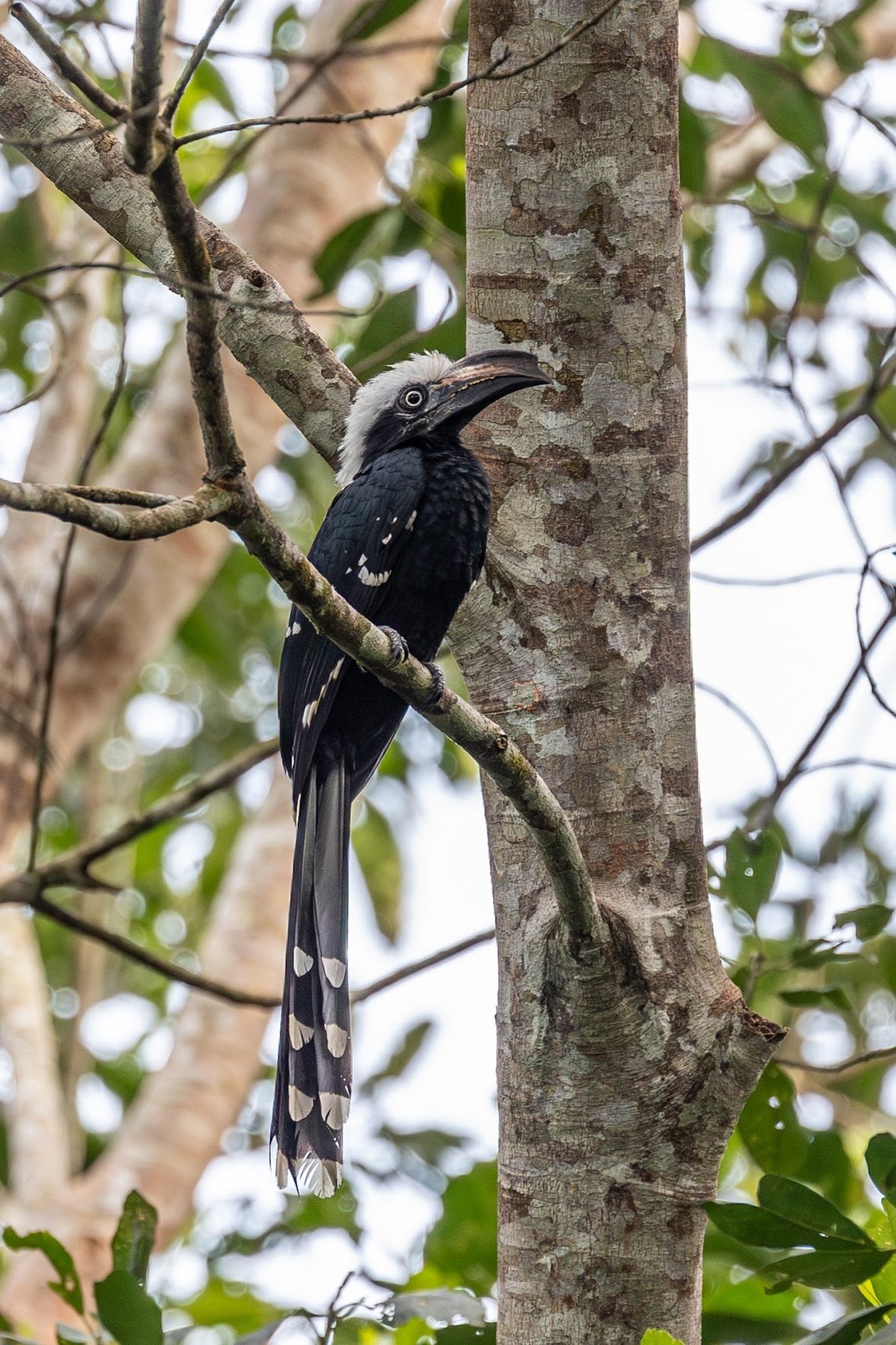
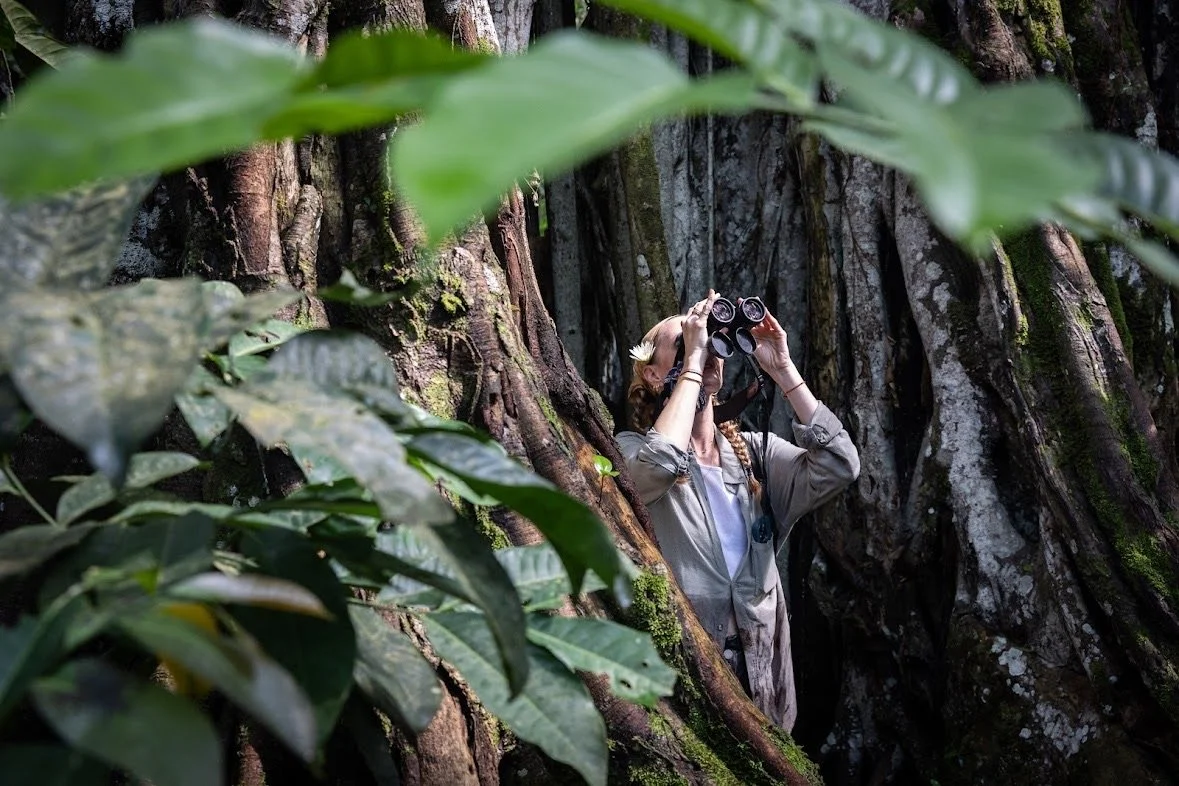
The lush rainforest realm is home to giants roaming silently, amid exotic bird you've never dreamed of seeing. Every canopy rustle and wingbeat pulses with mysterious life... exploding in colors, whether you chase the spectacle or breathe it in silently.
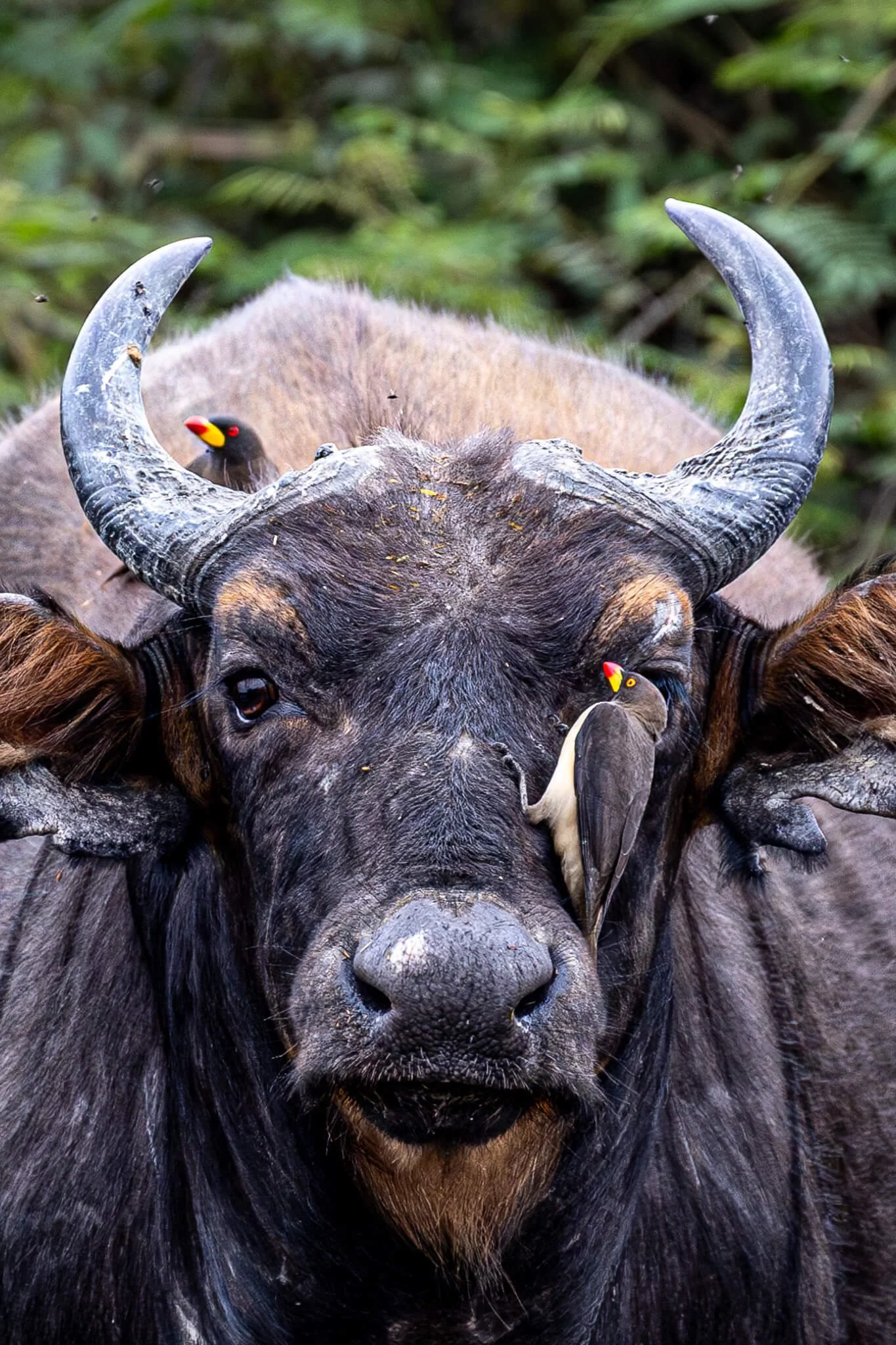
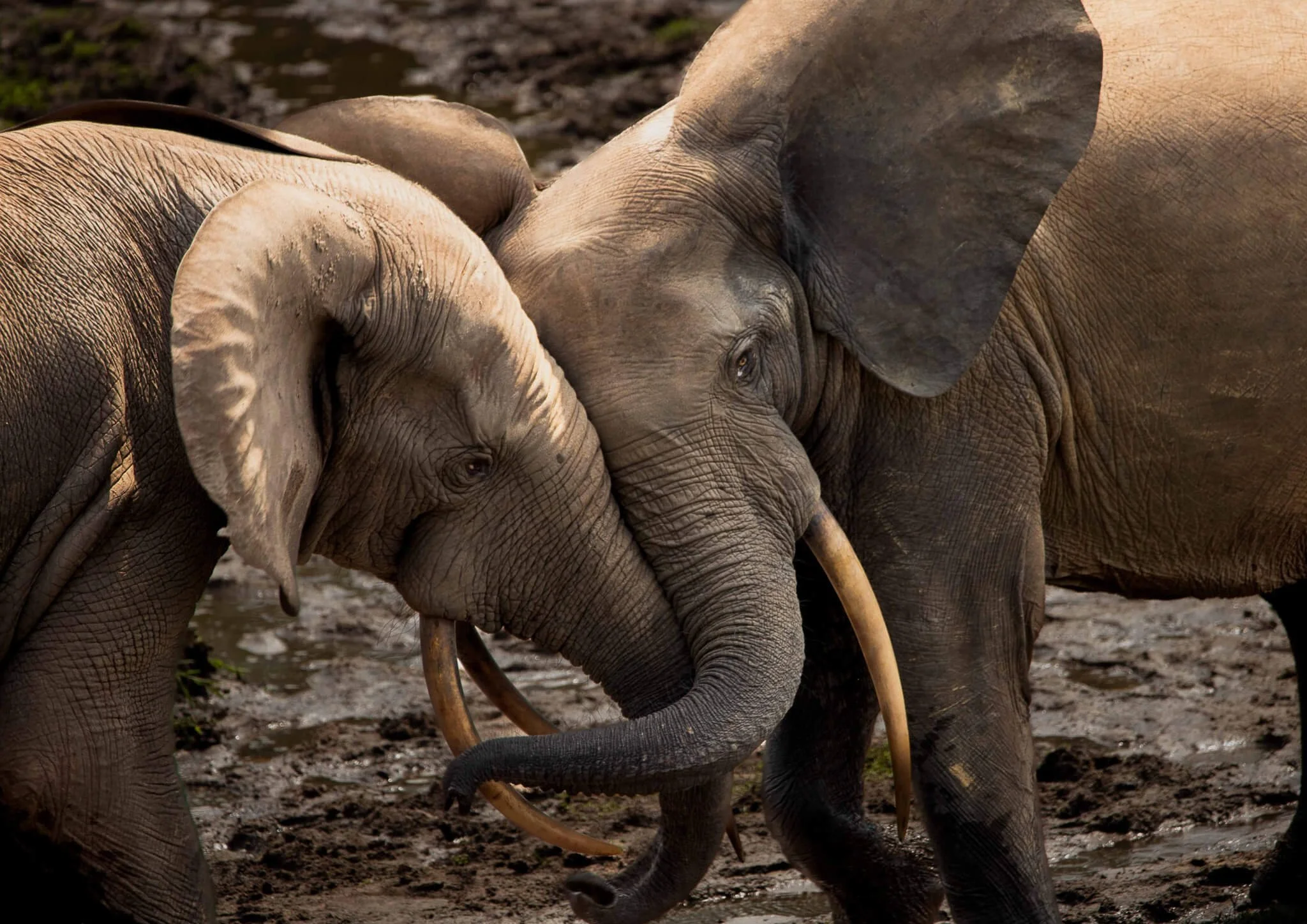
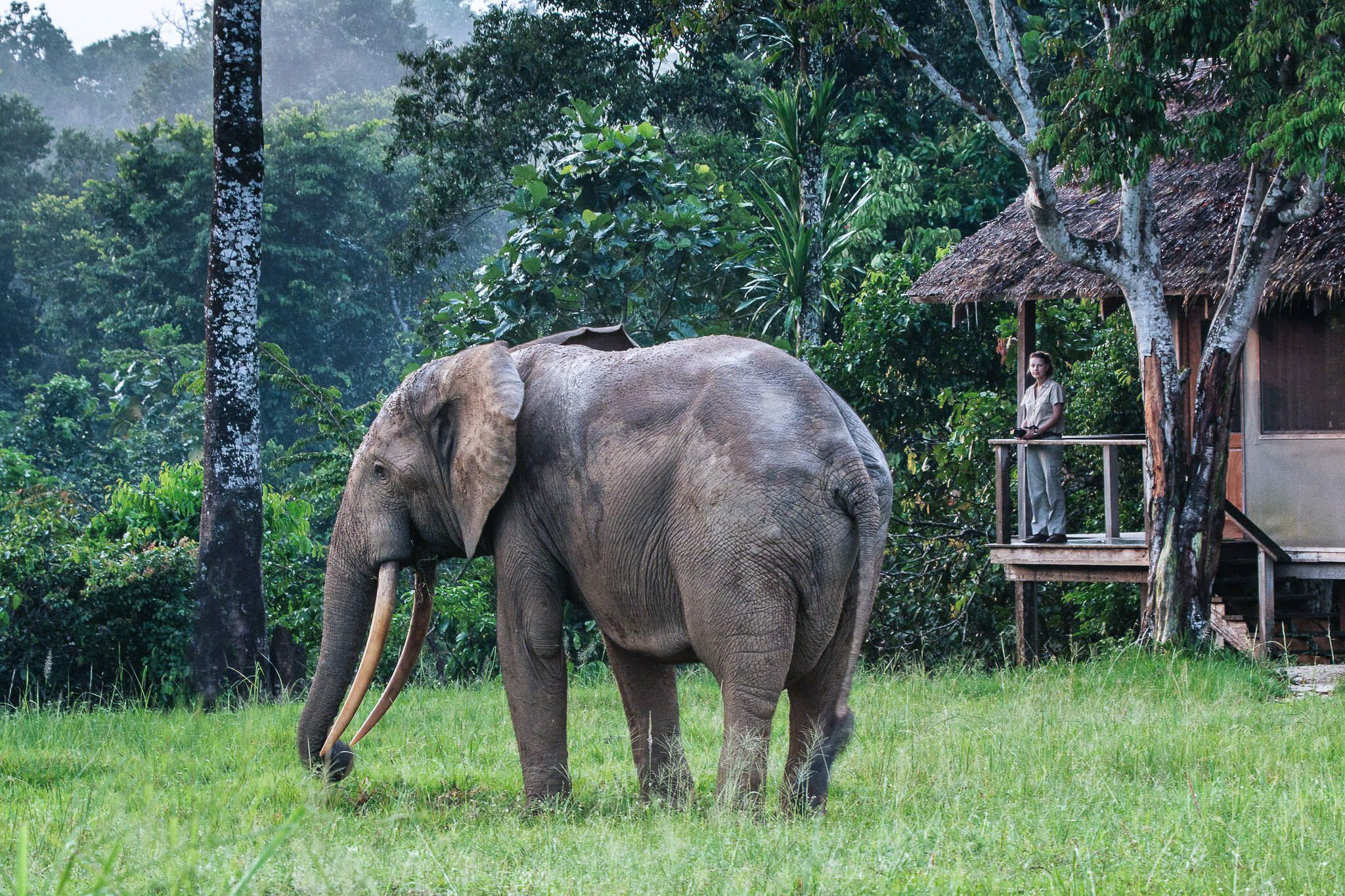
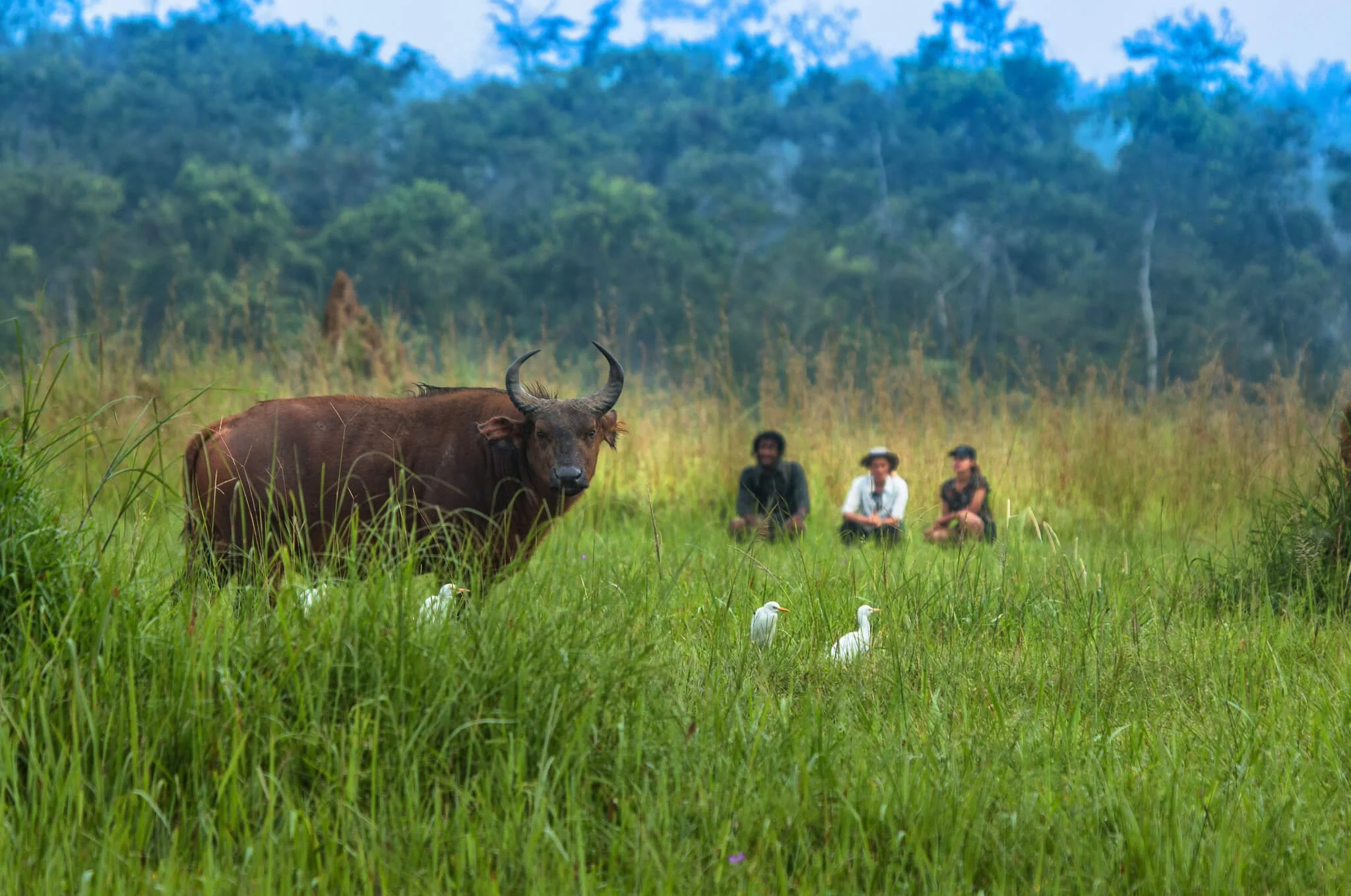
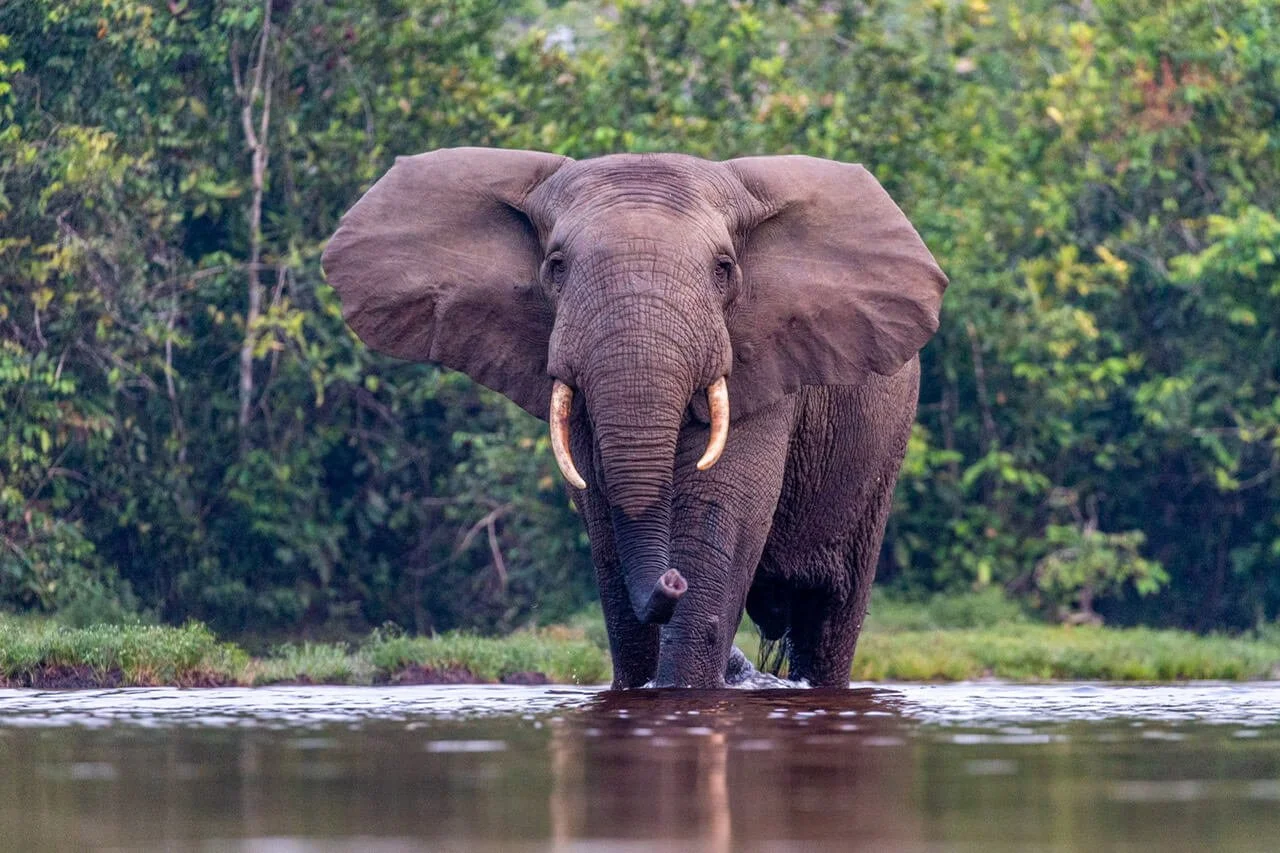
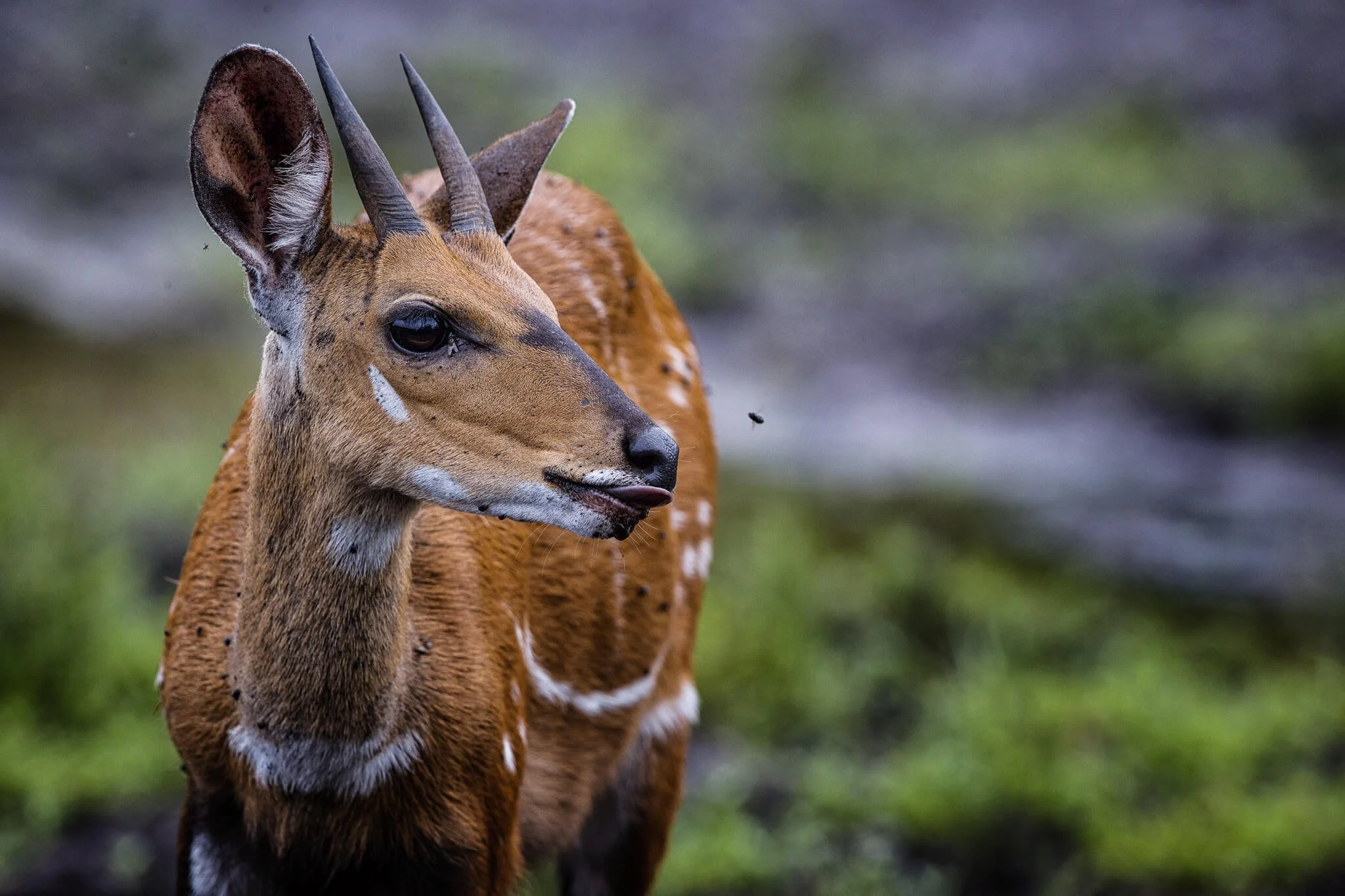
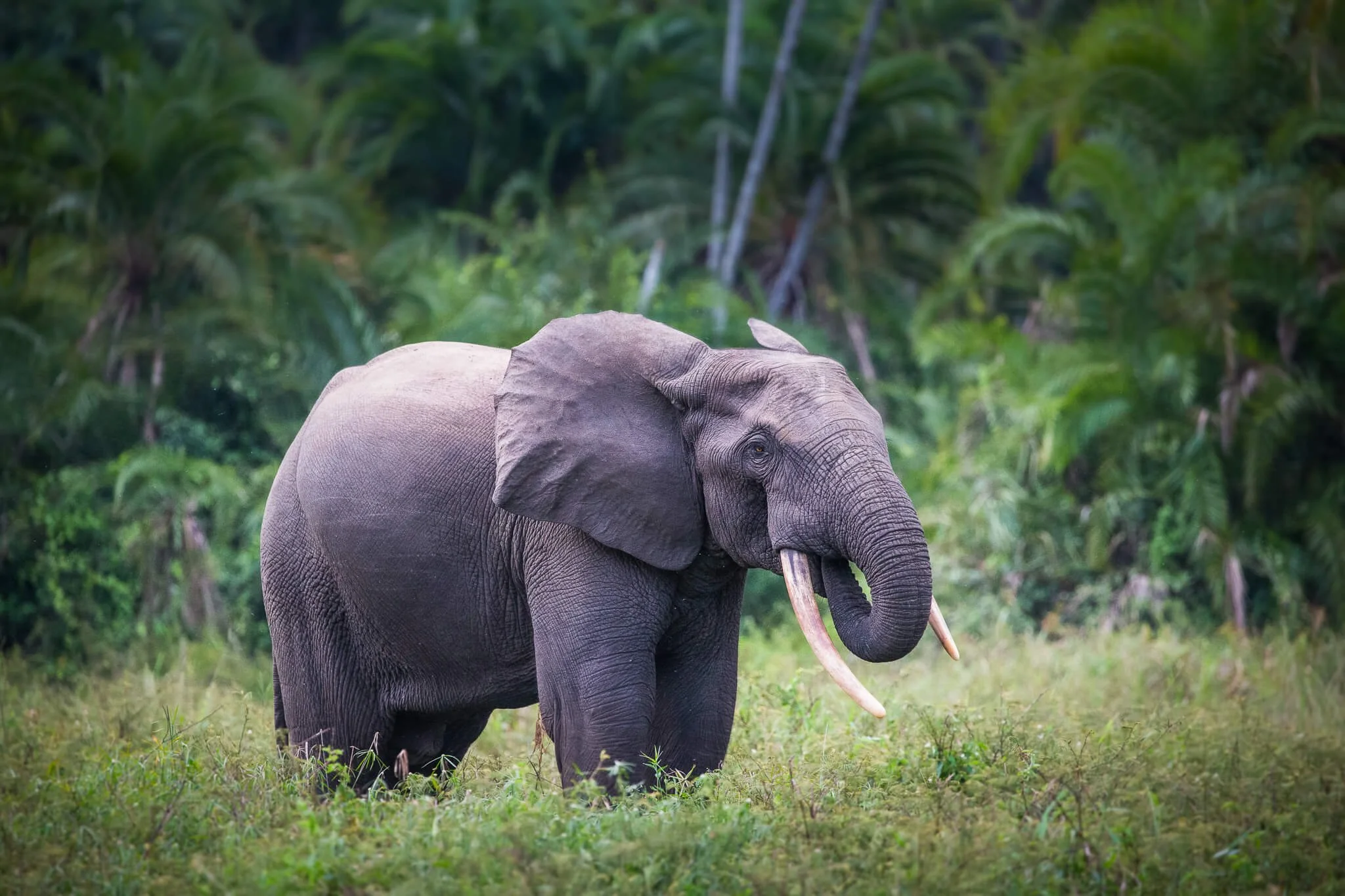
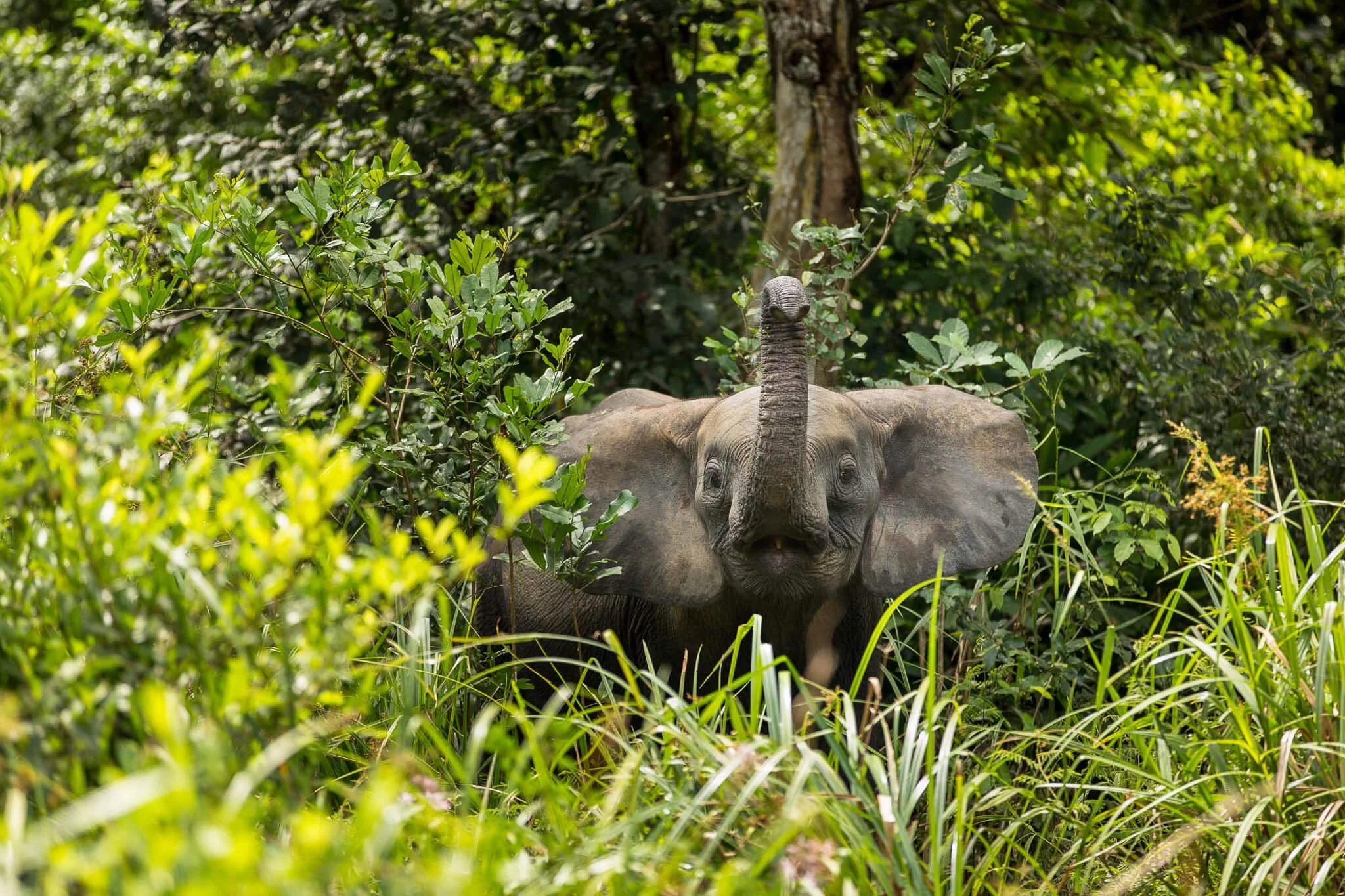
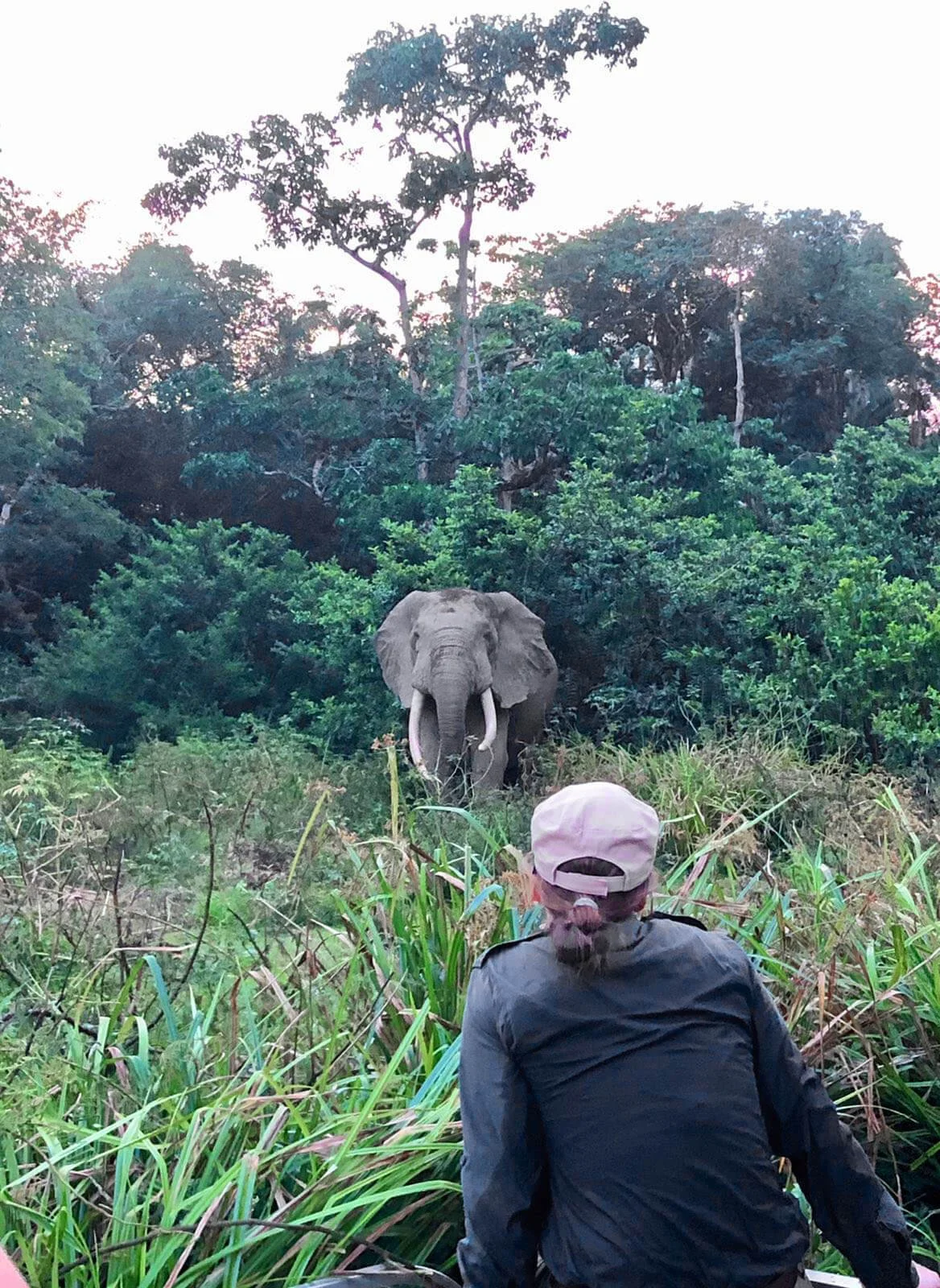
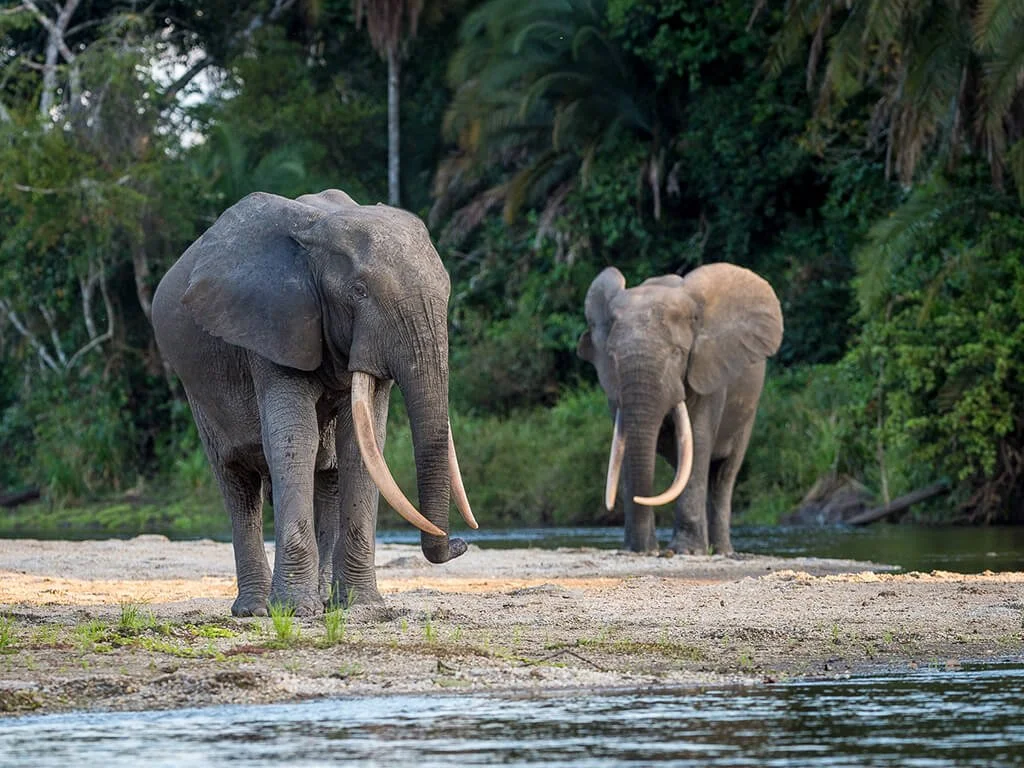
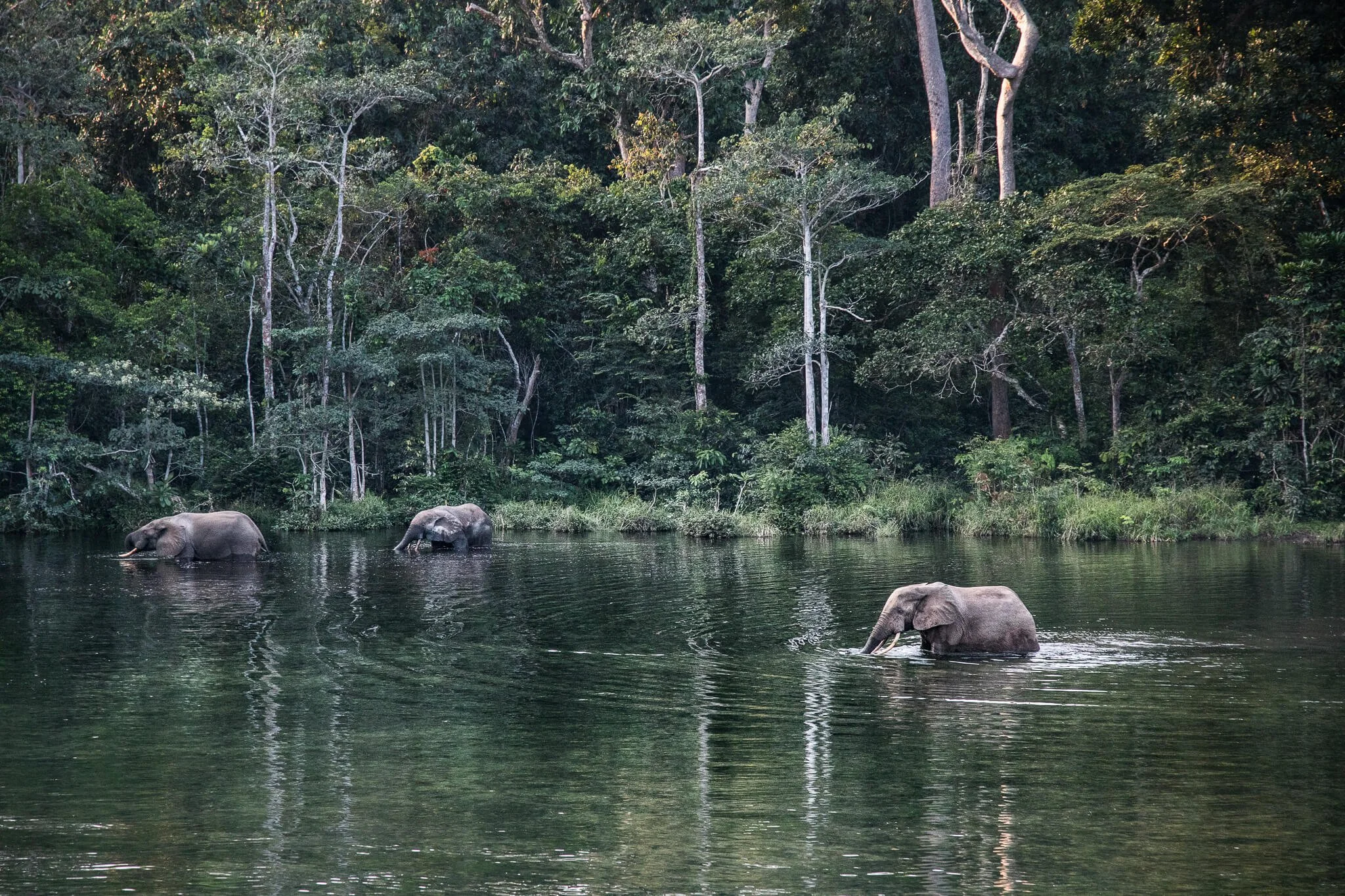
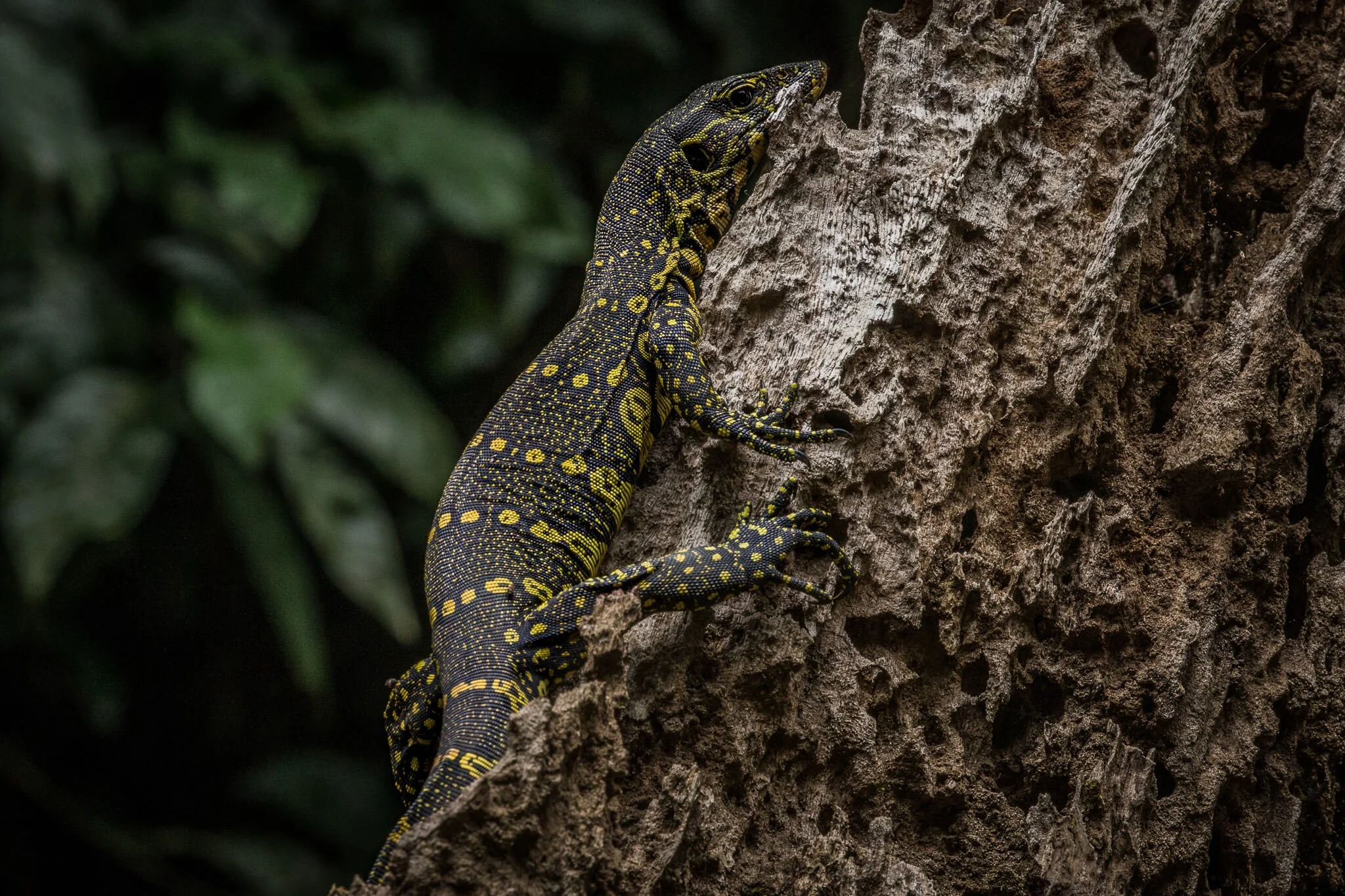
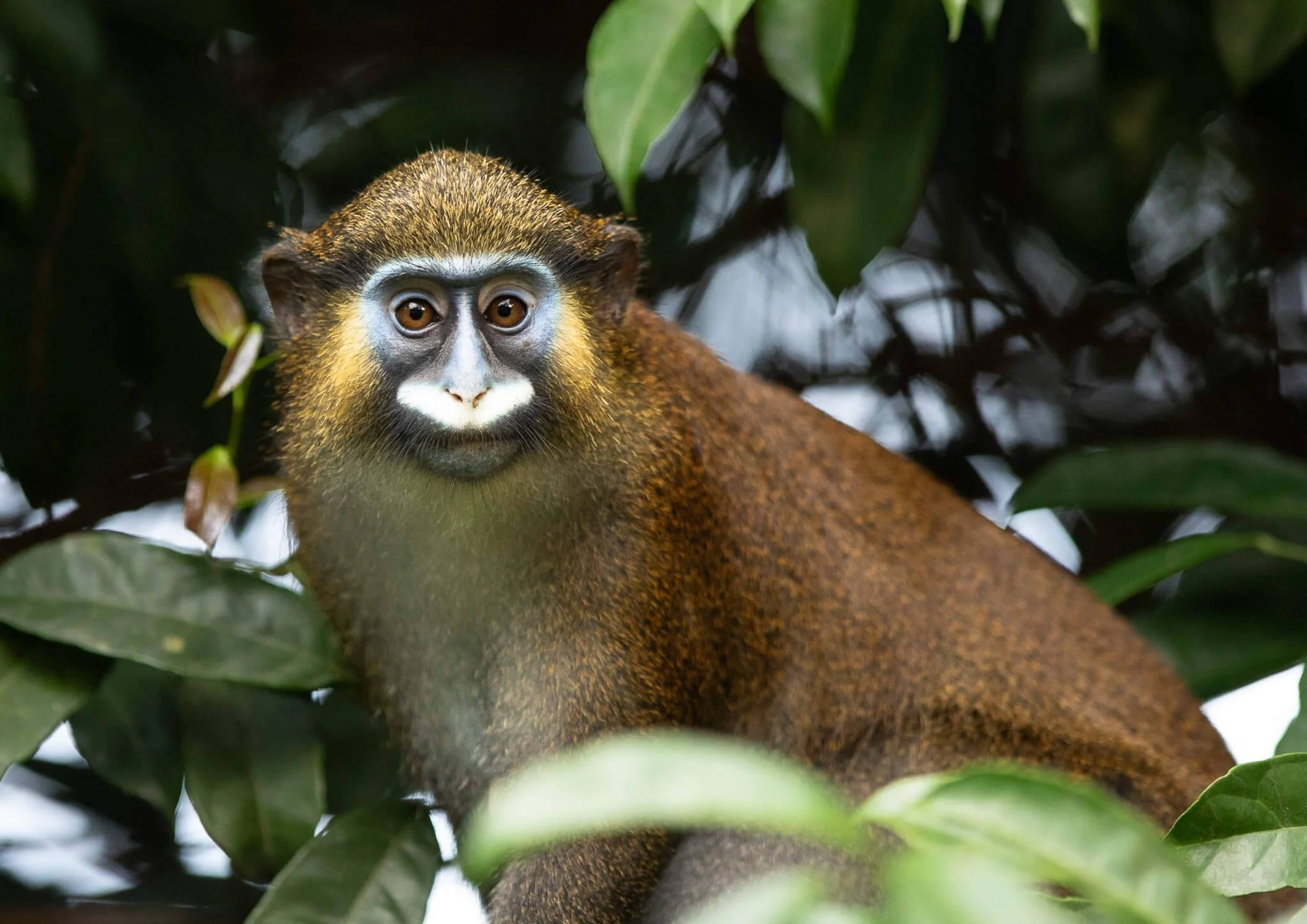
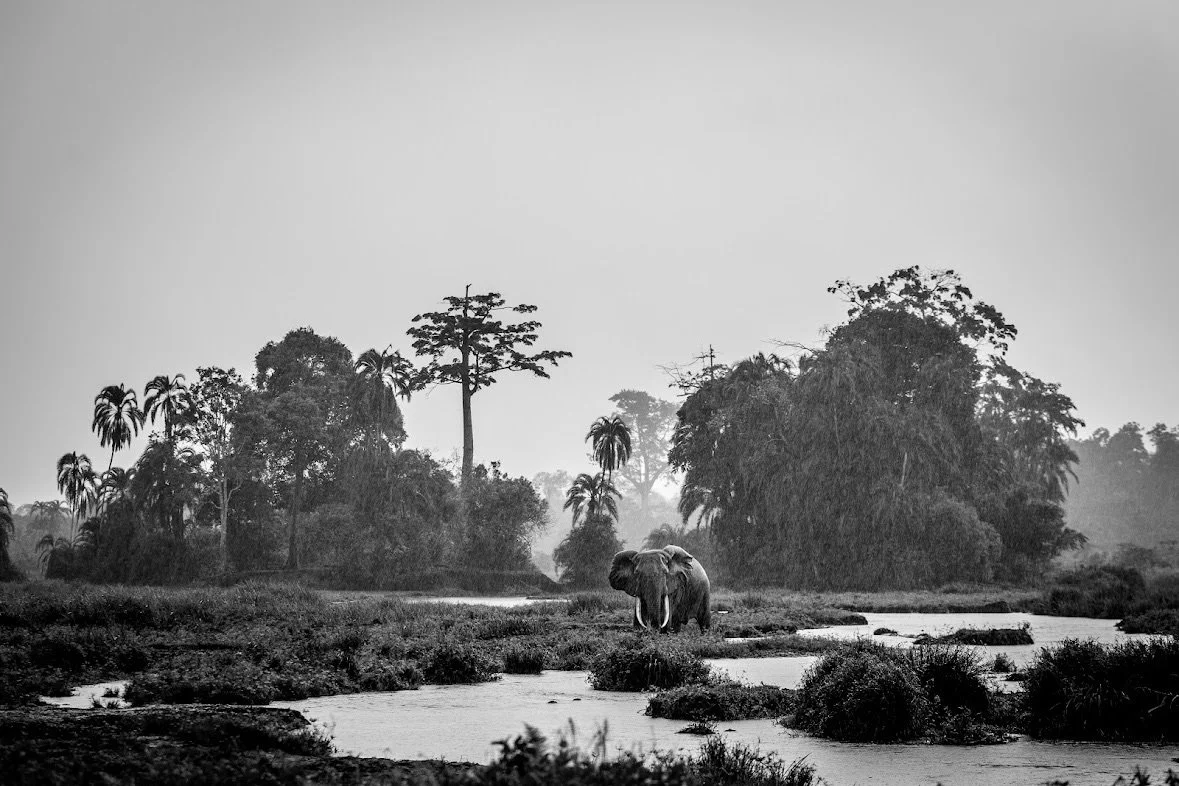
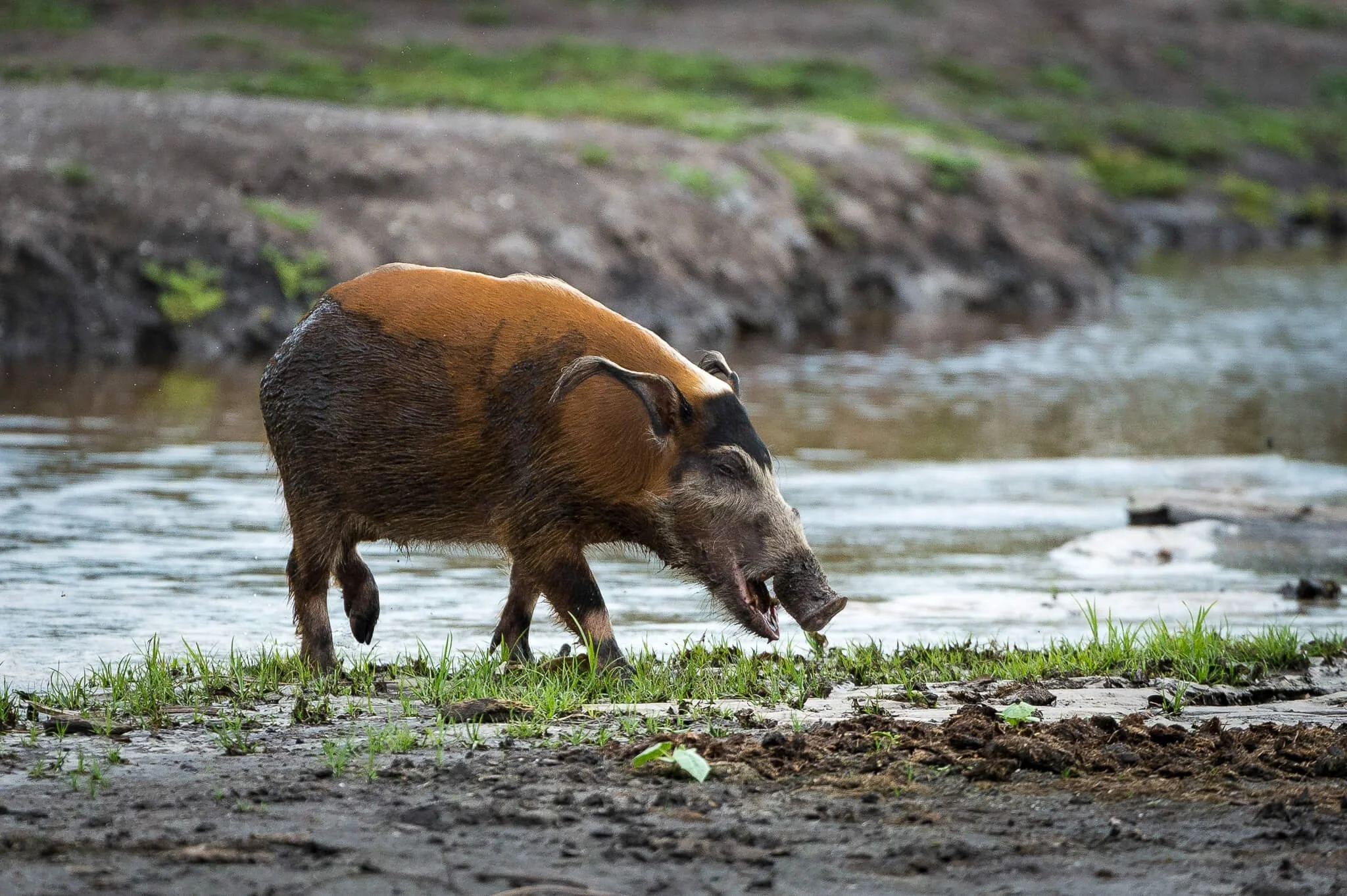
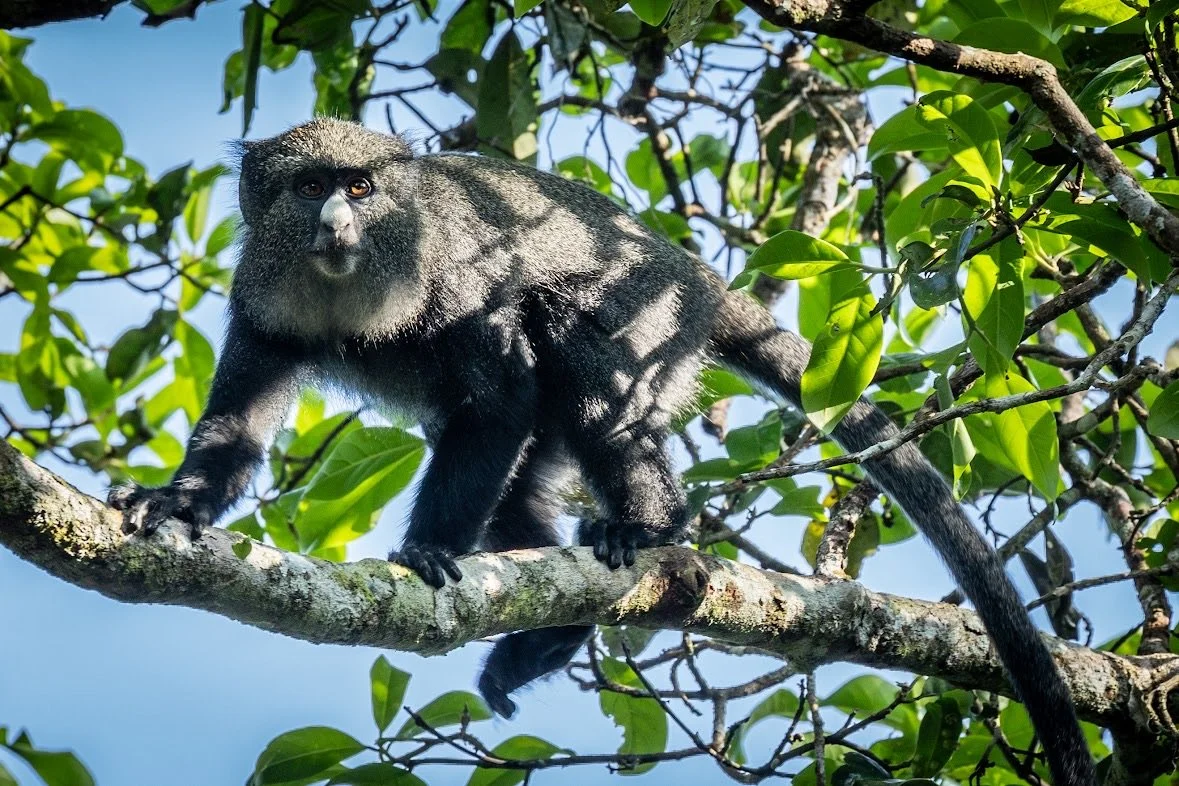
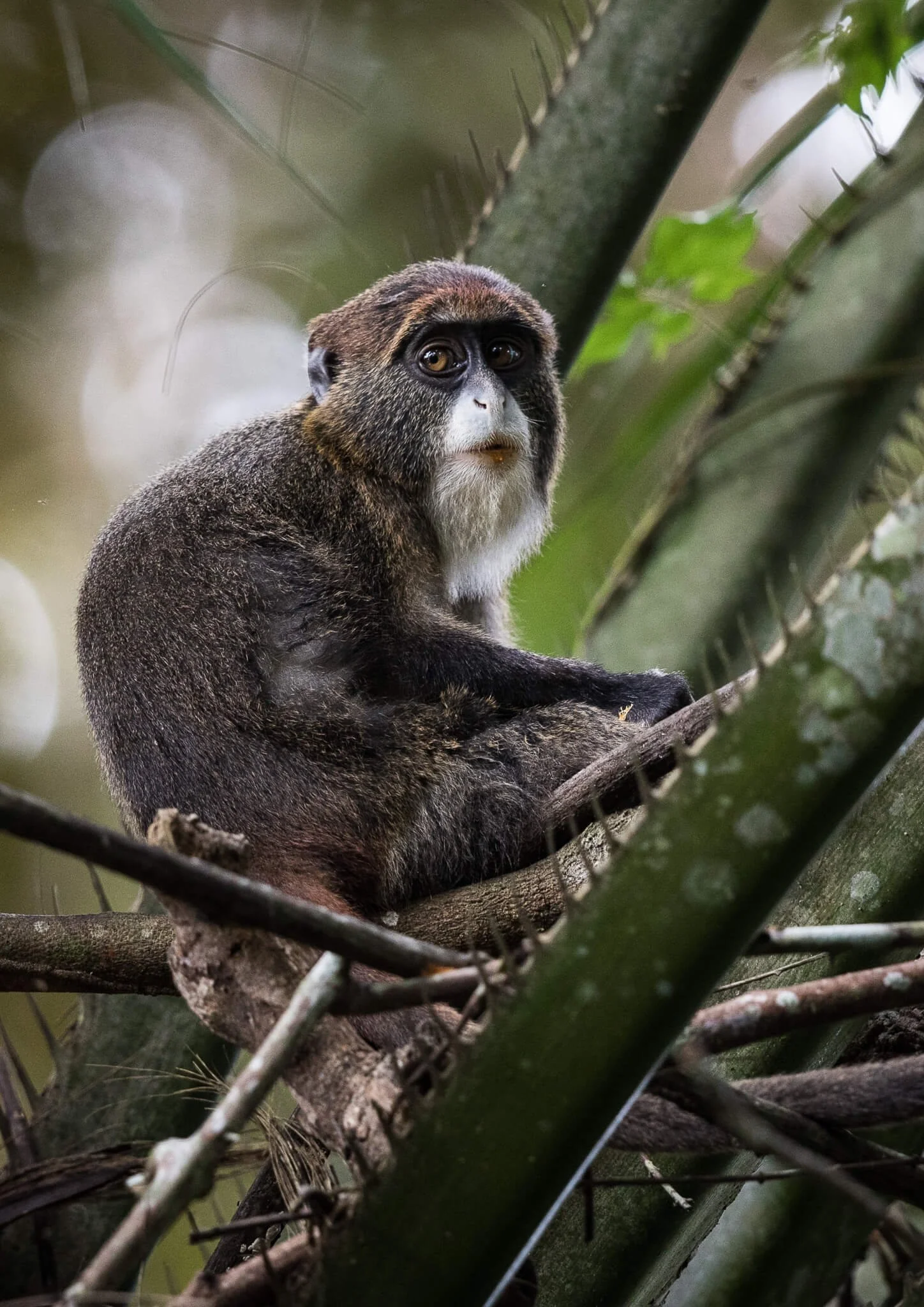
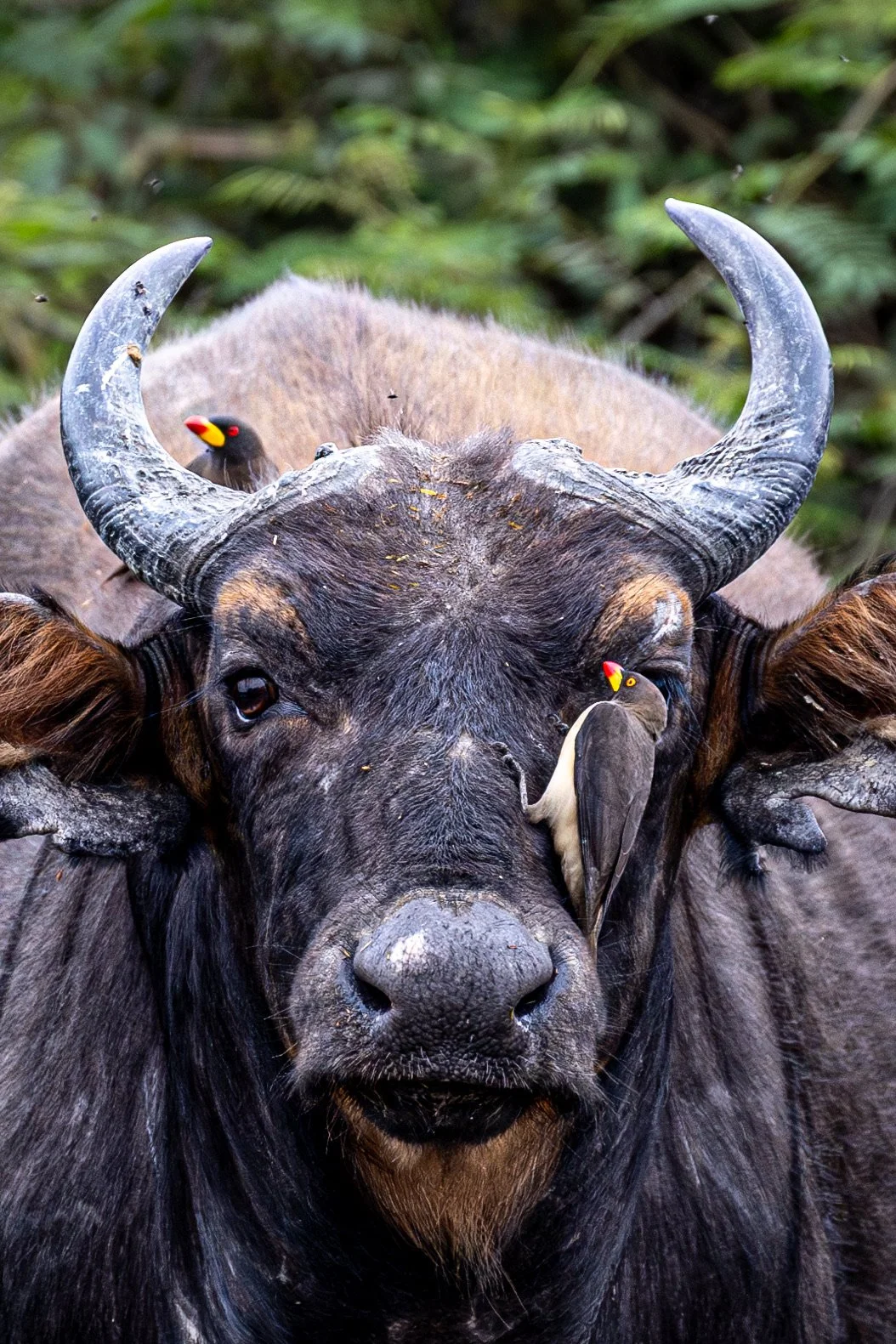
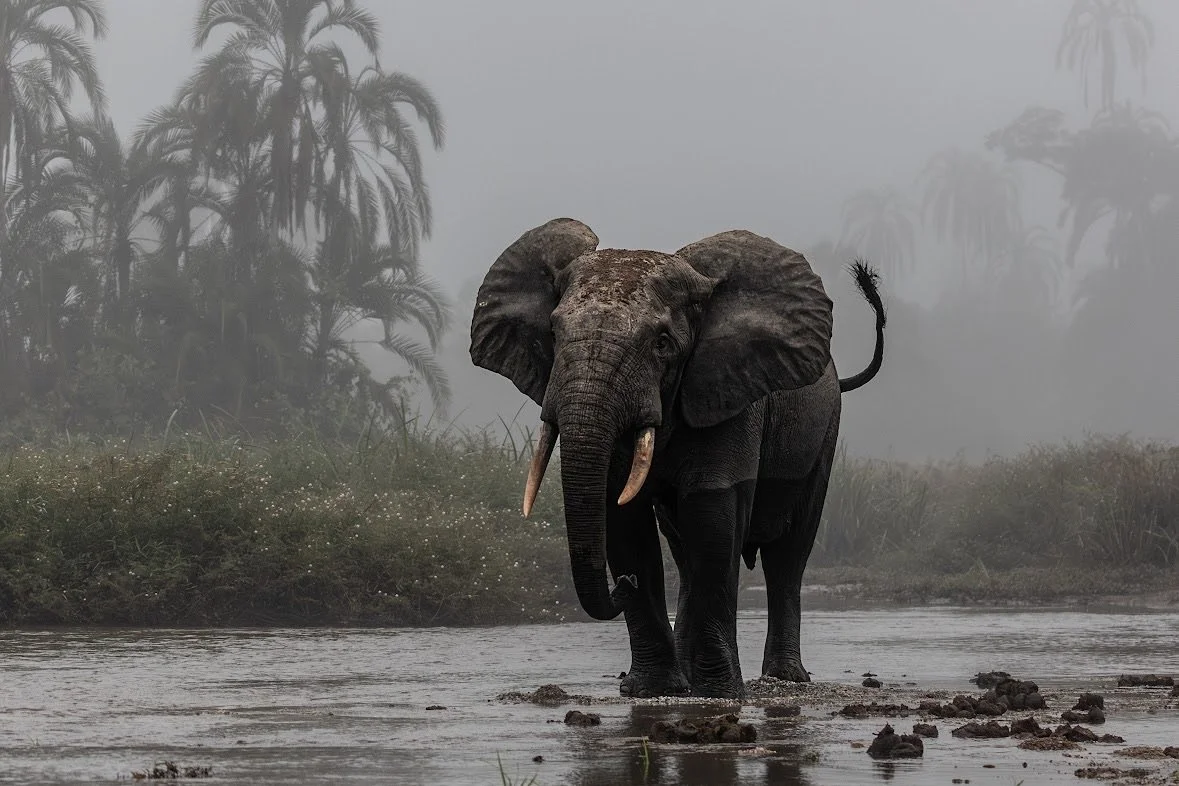
What makes this journey so extraordinary isn't just observing gorillas - although this is already enough to filled anyone’s heart - but it's immersing yourself in an ecosystem teeming with life. The Park is home to over 400 mammal species, including massive forest elephants (the world's largest population), elusive bongos, water buffalo, and hyenas just to list a few.
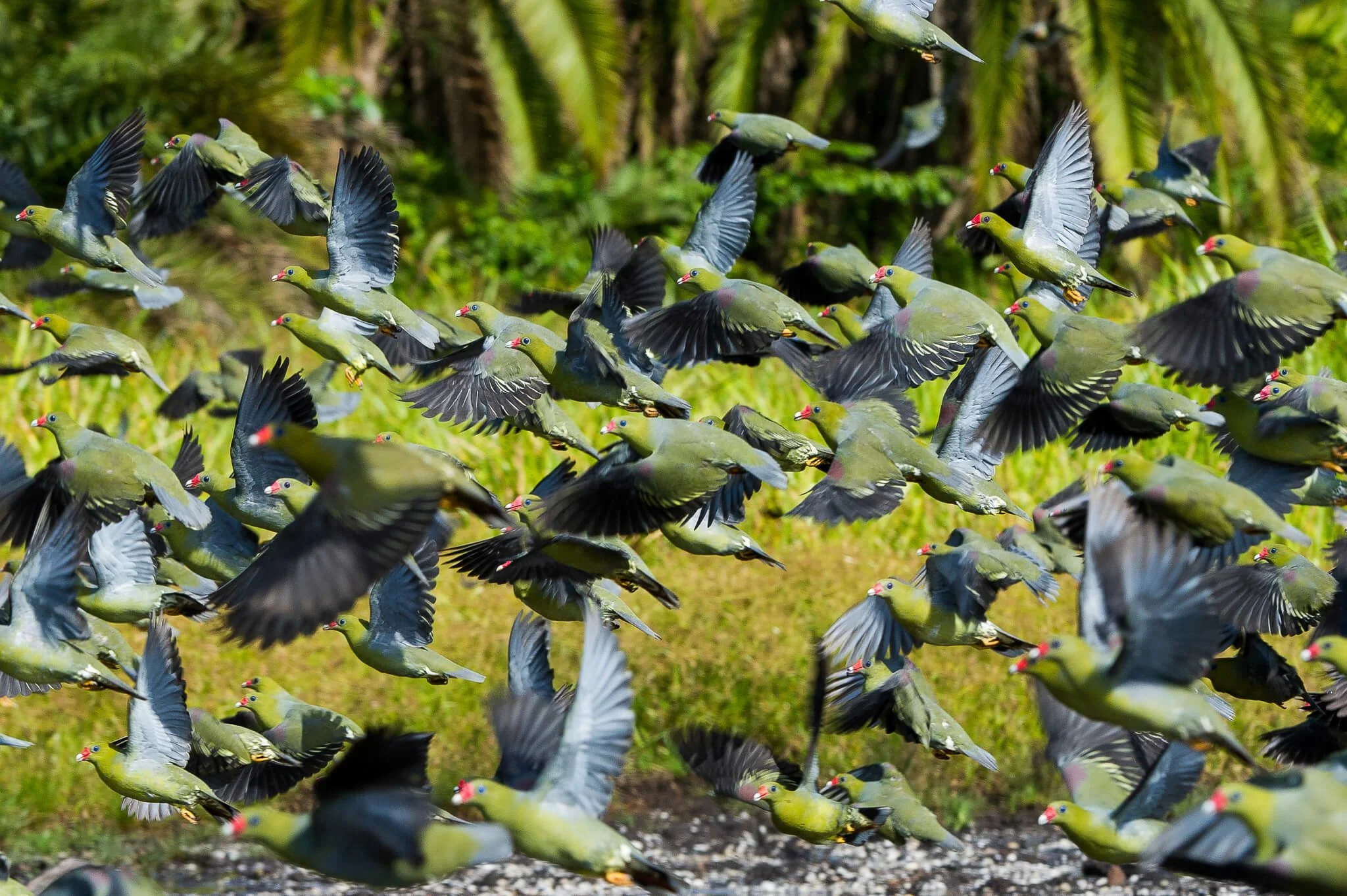
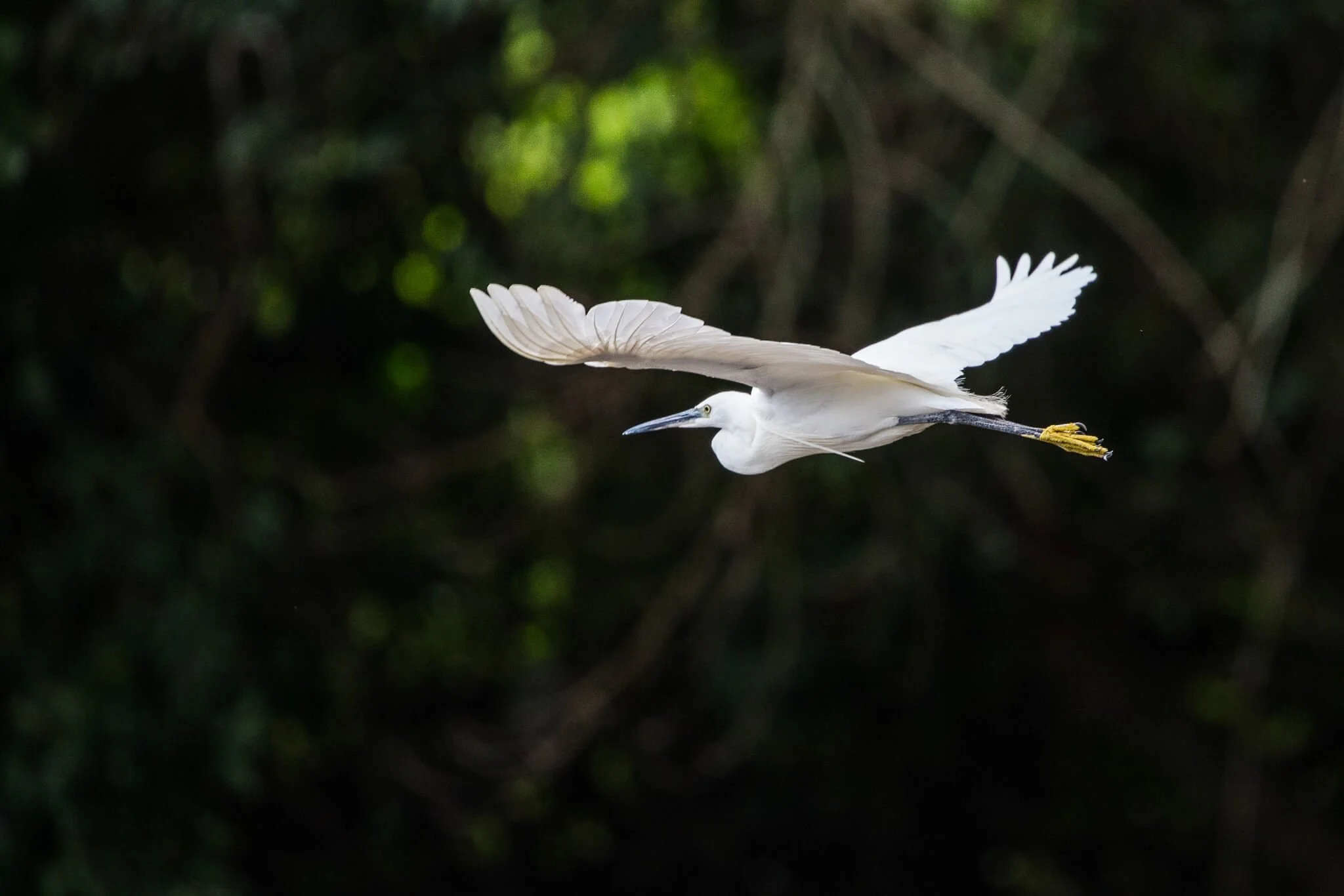
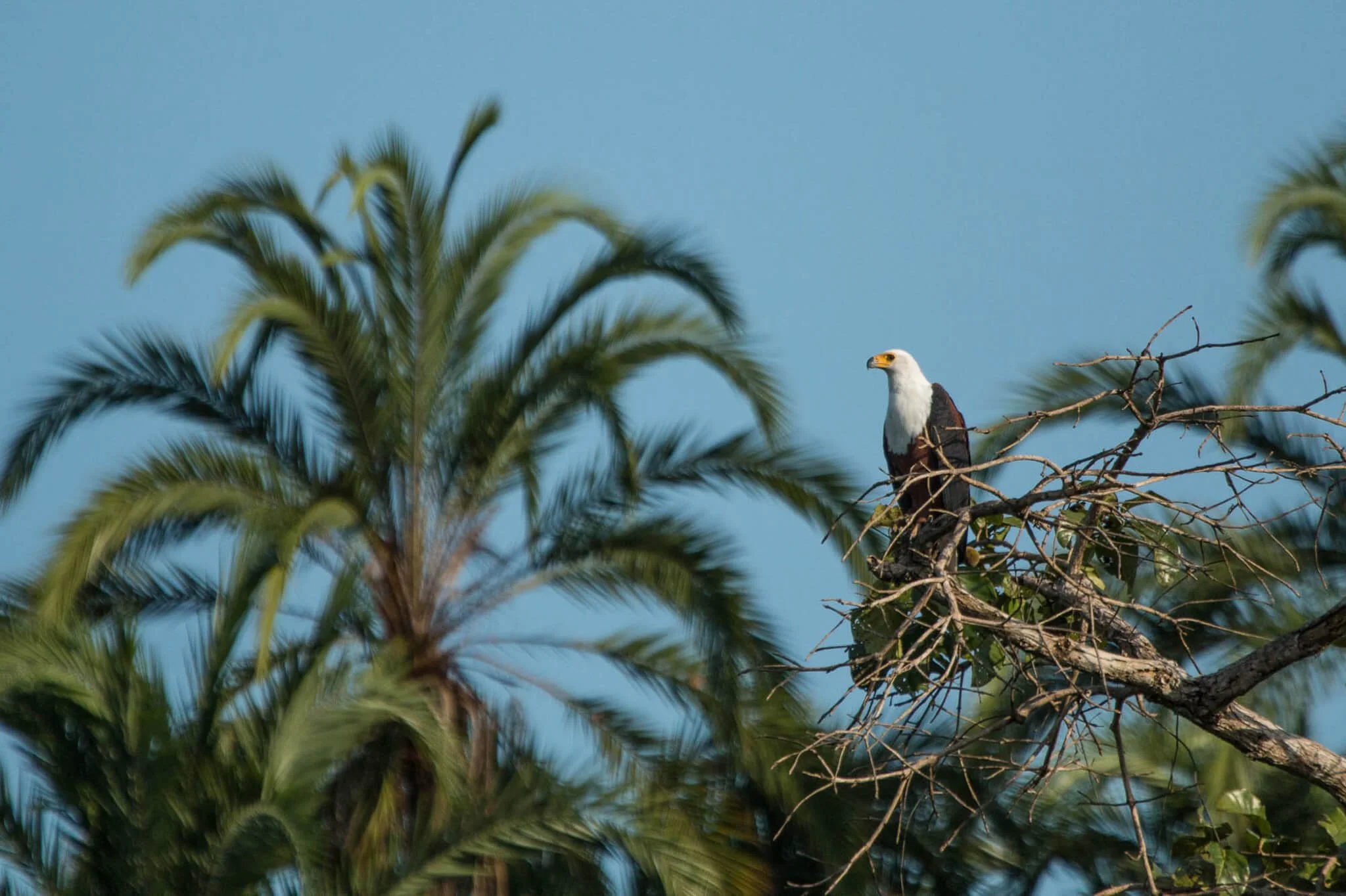
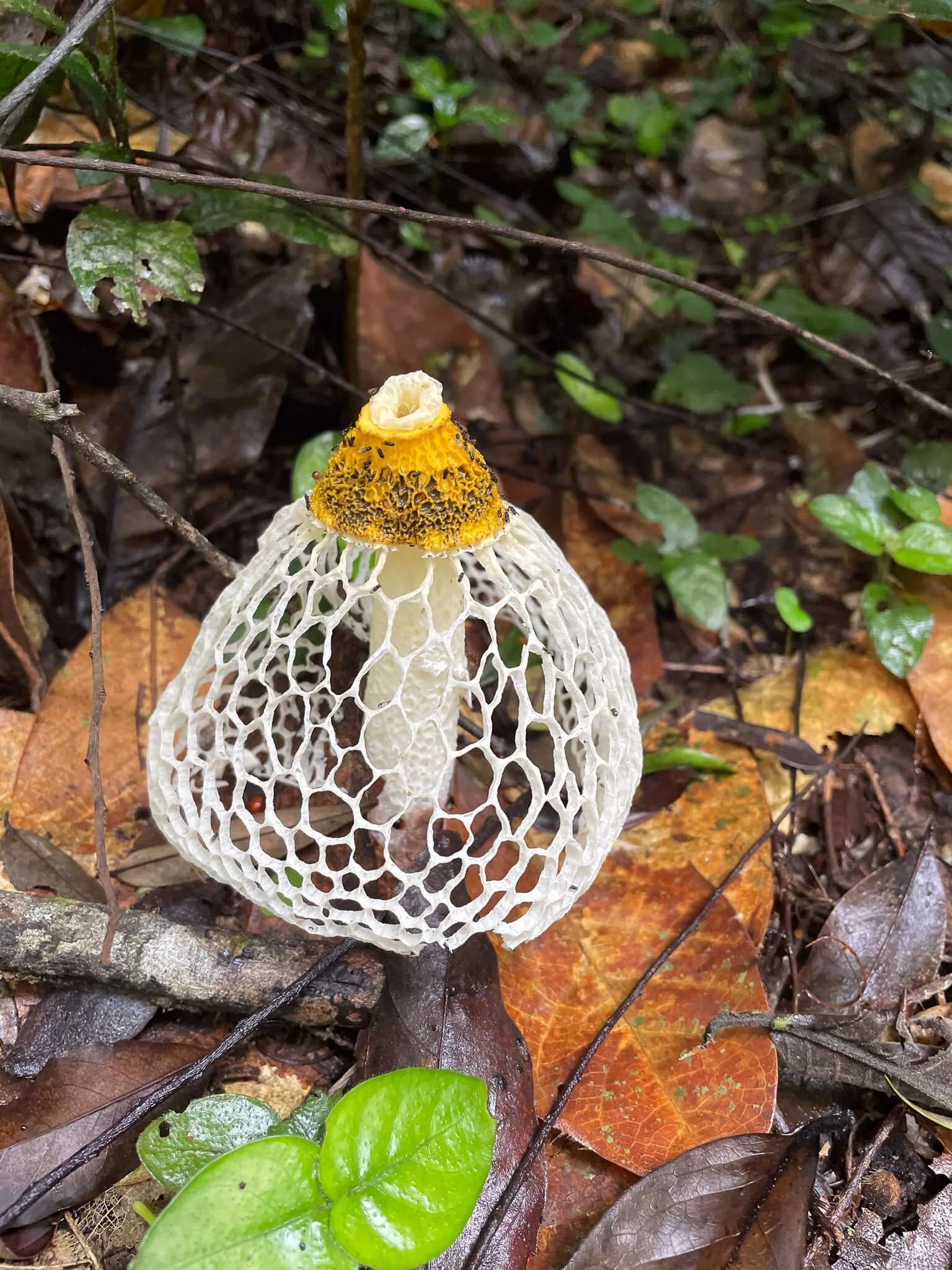
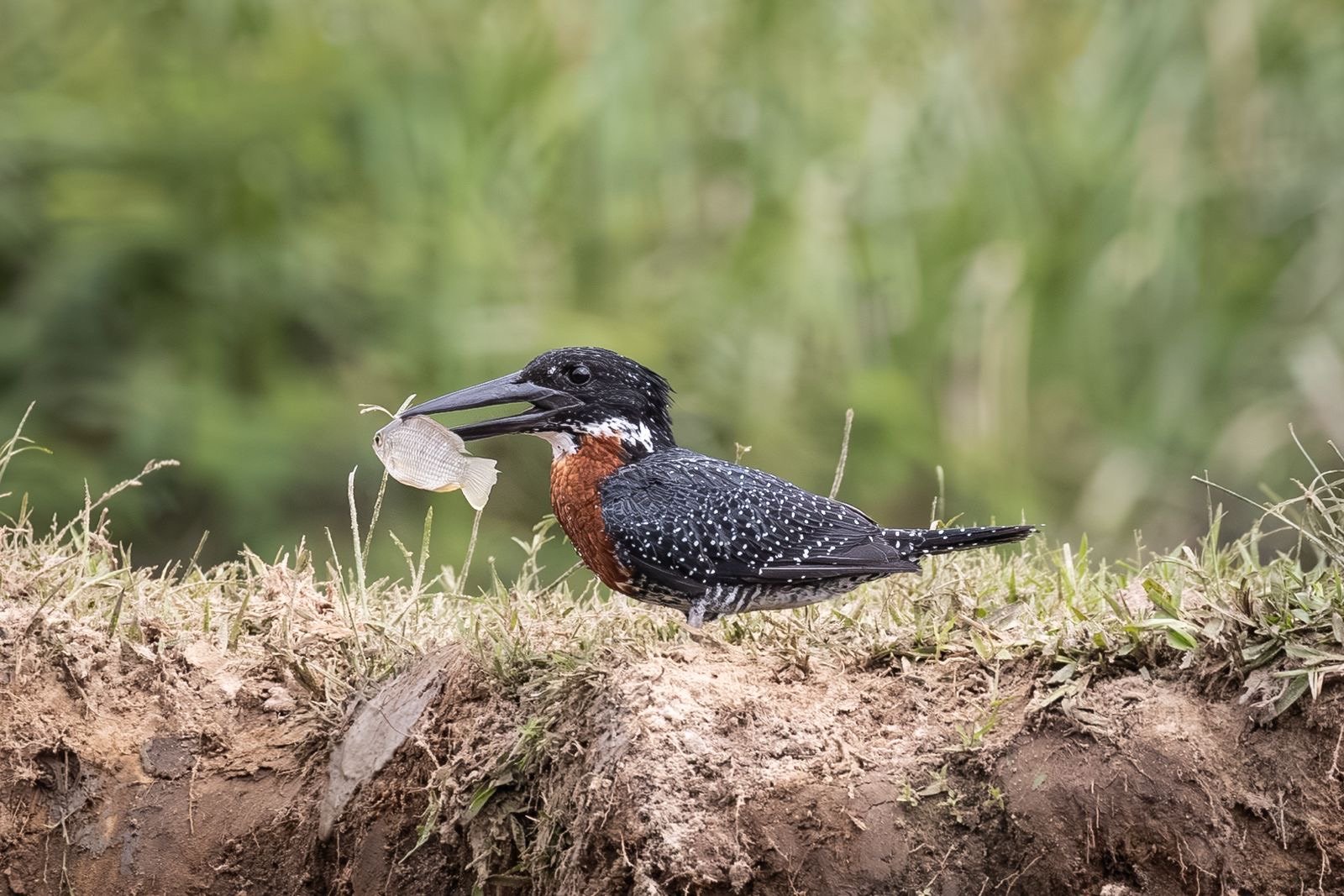
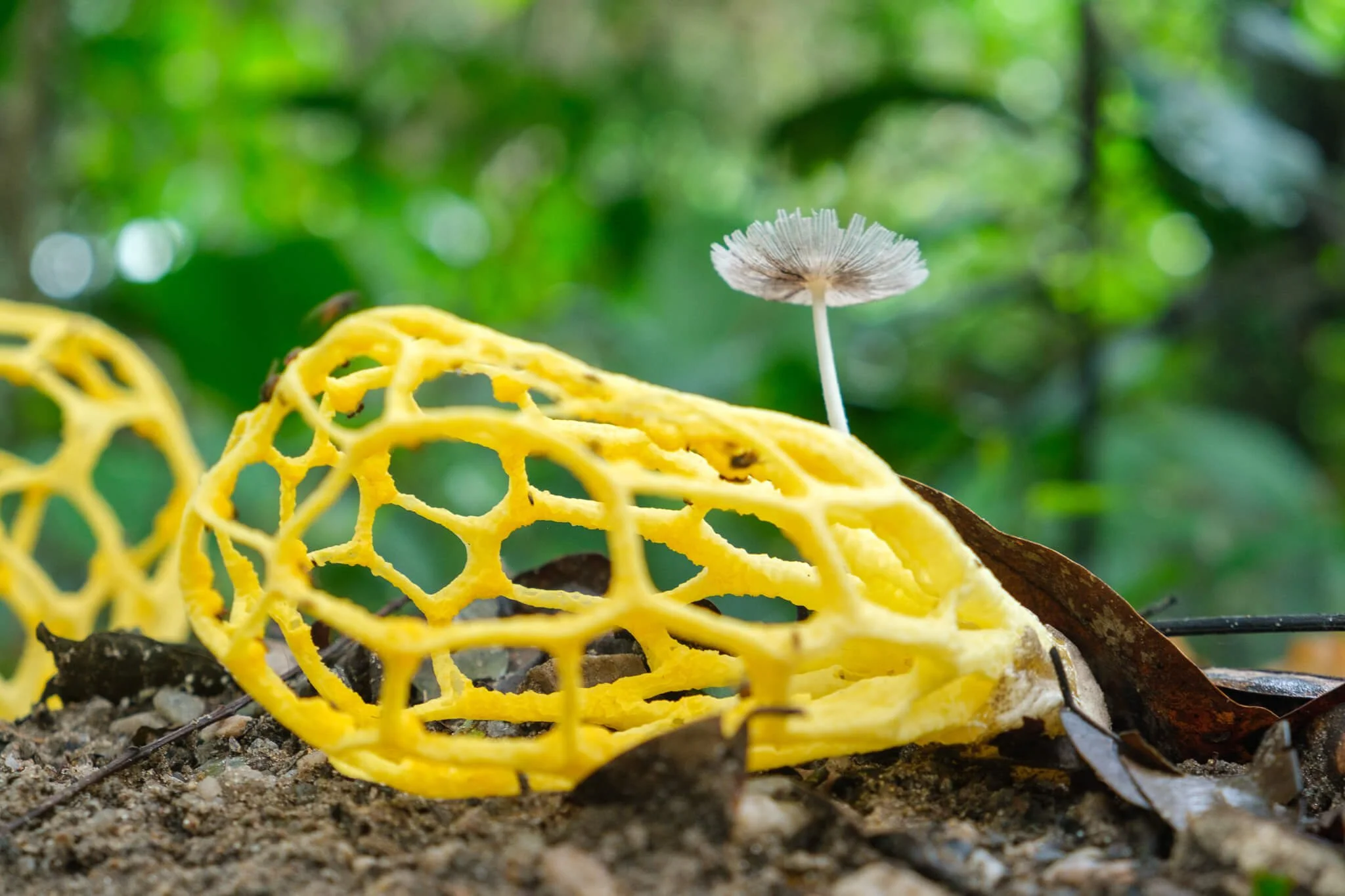
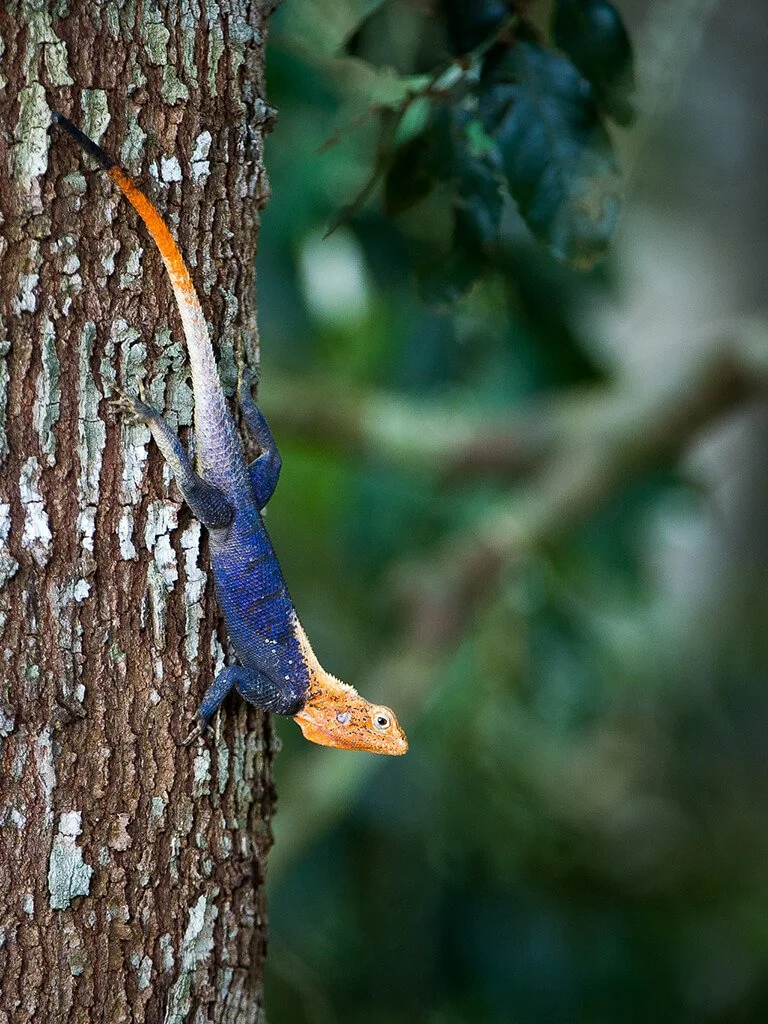
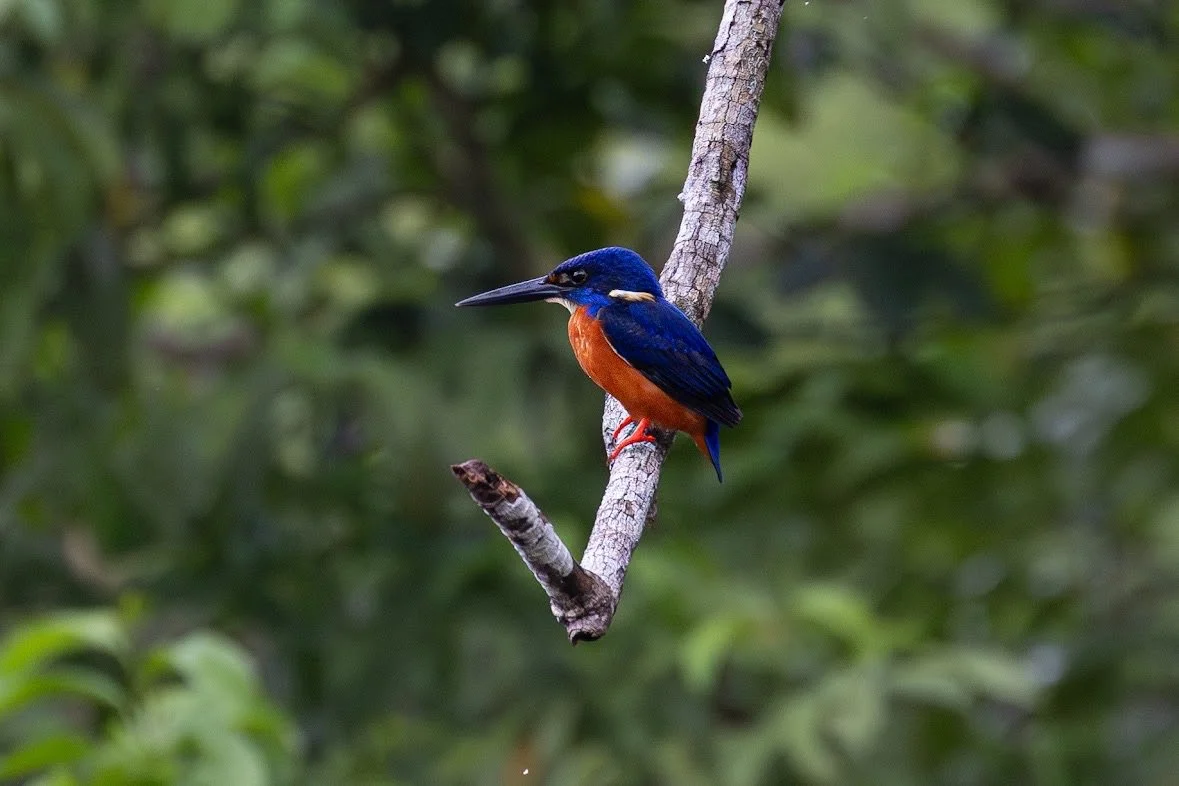
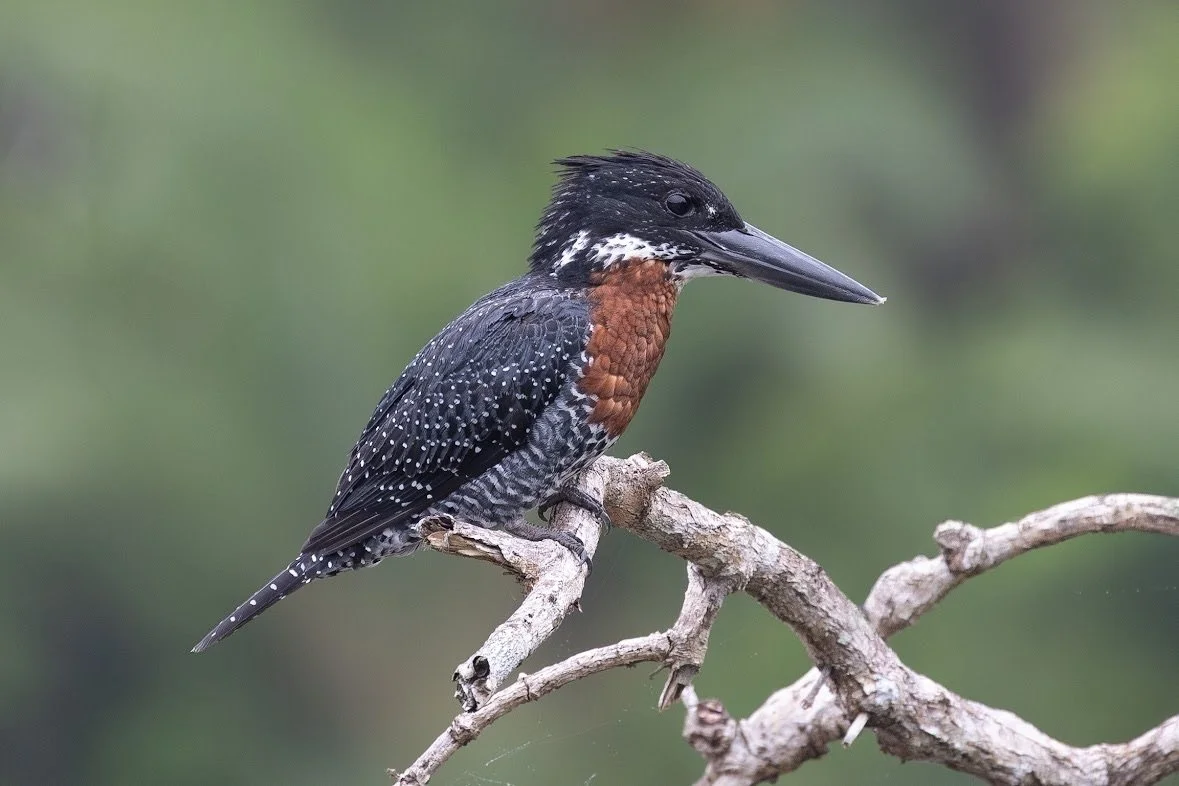
And that would be overlooking the dazzling array of birds you likely never knew existed, alongside countless rainforest marvels that ignite your every sense.
This is a complete sensory experience where you become part of a wild pulse - not just a distant observer from a vehicle. Prepare to feel fully alive.
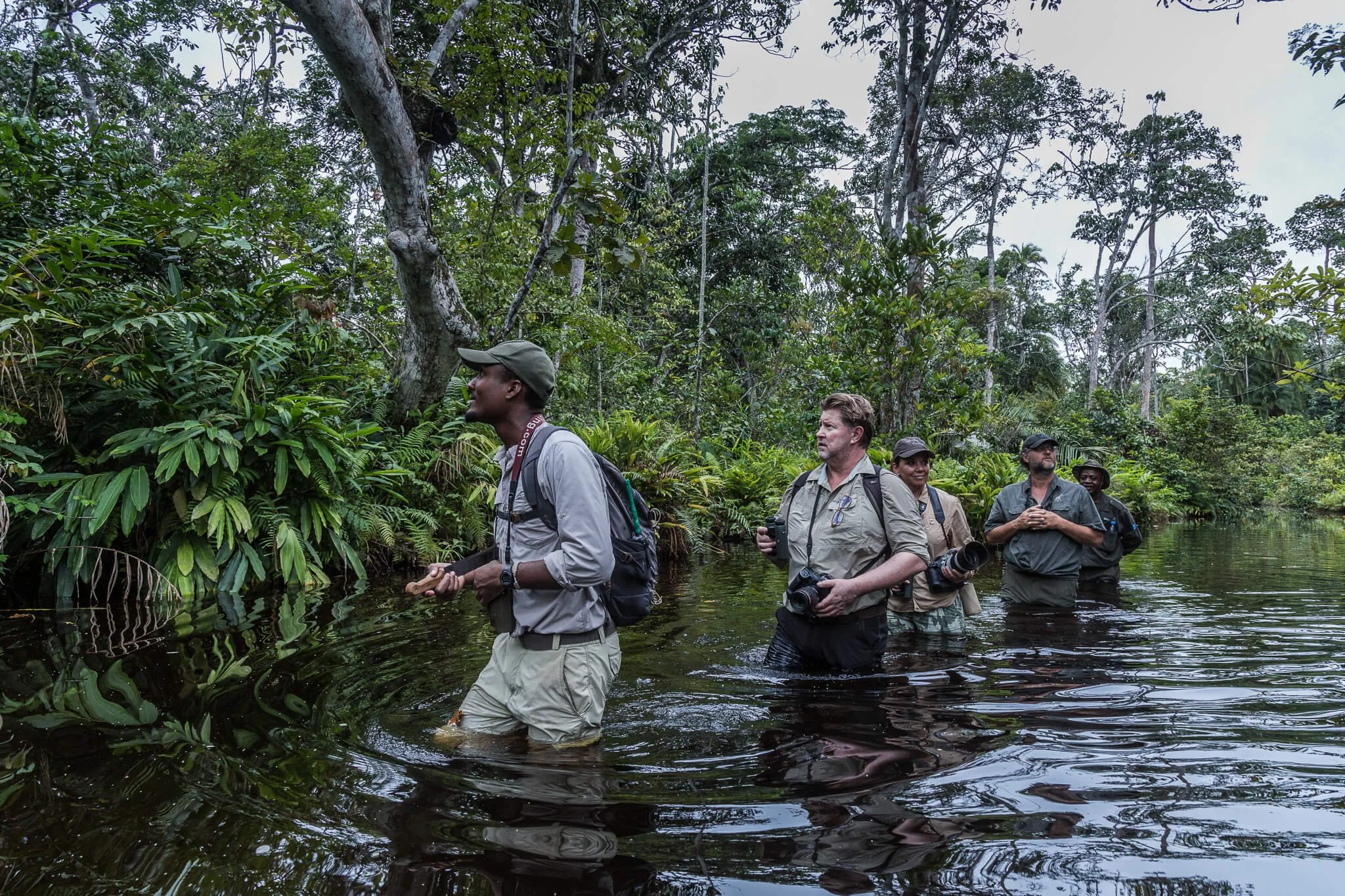
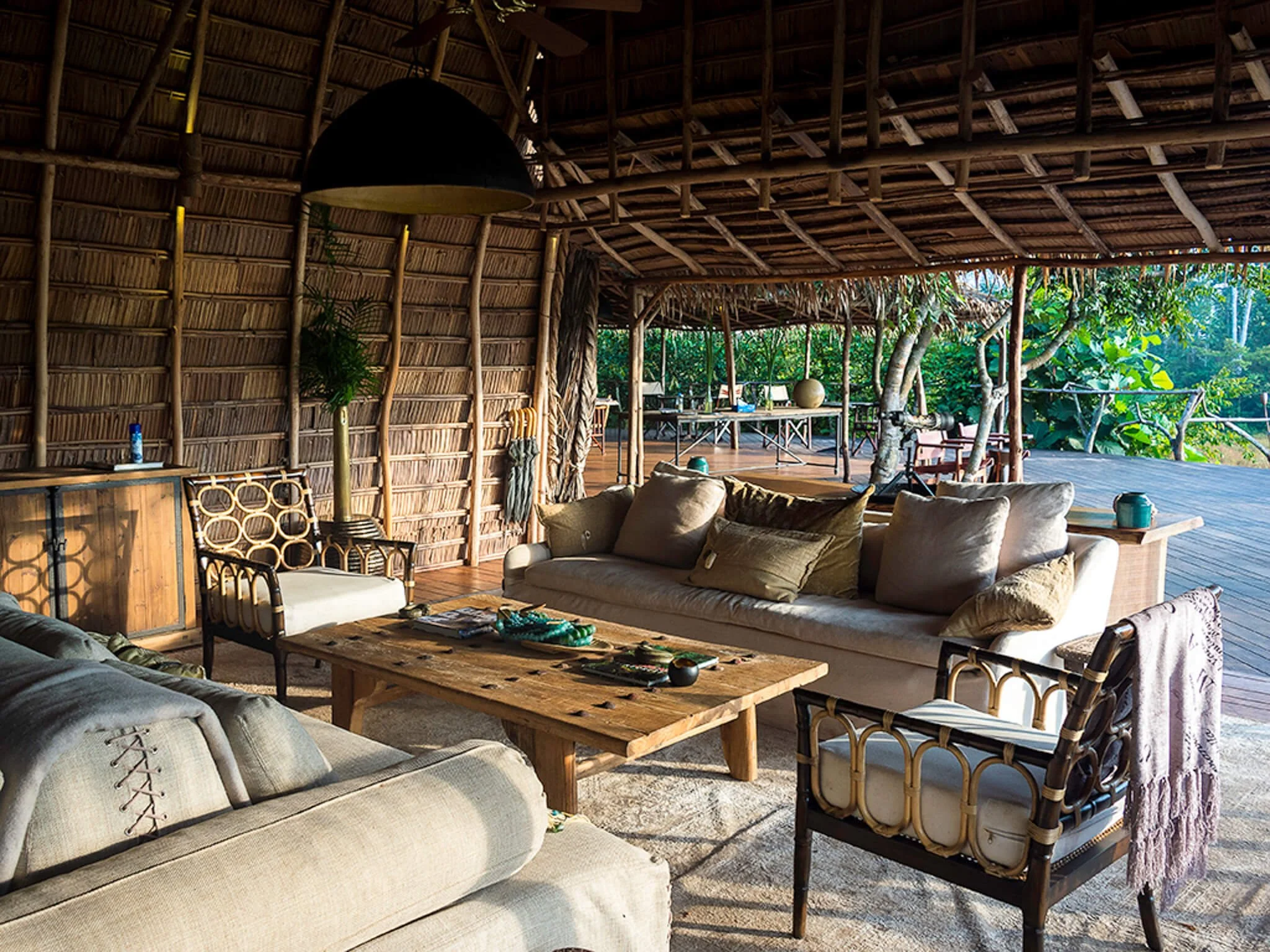
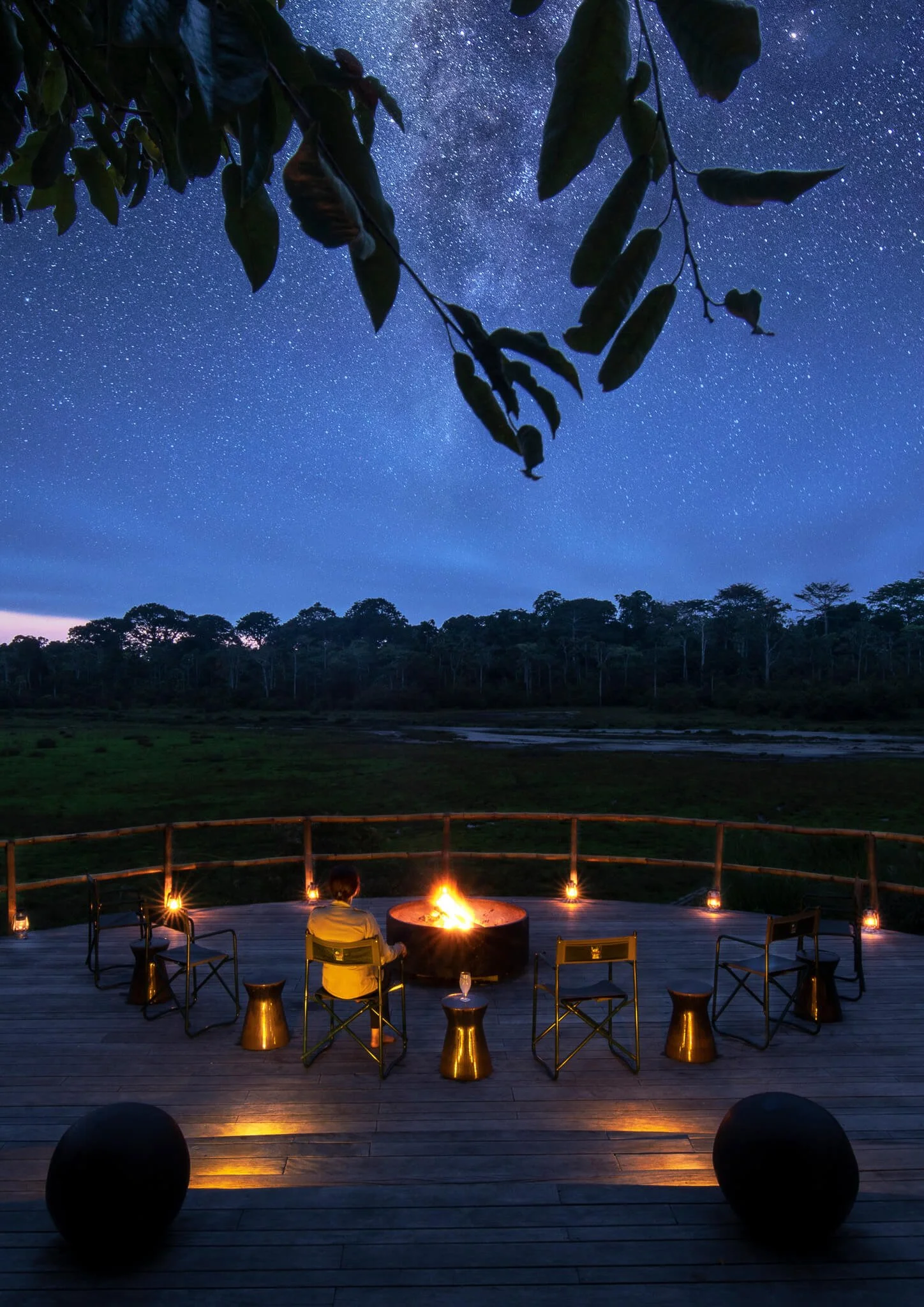
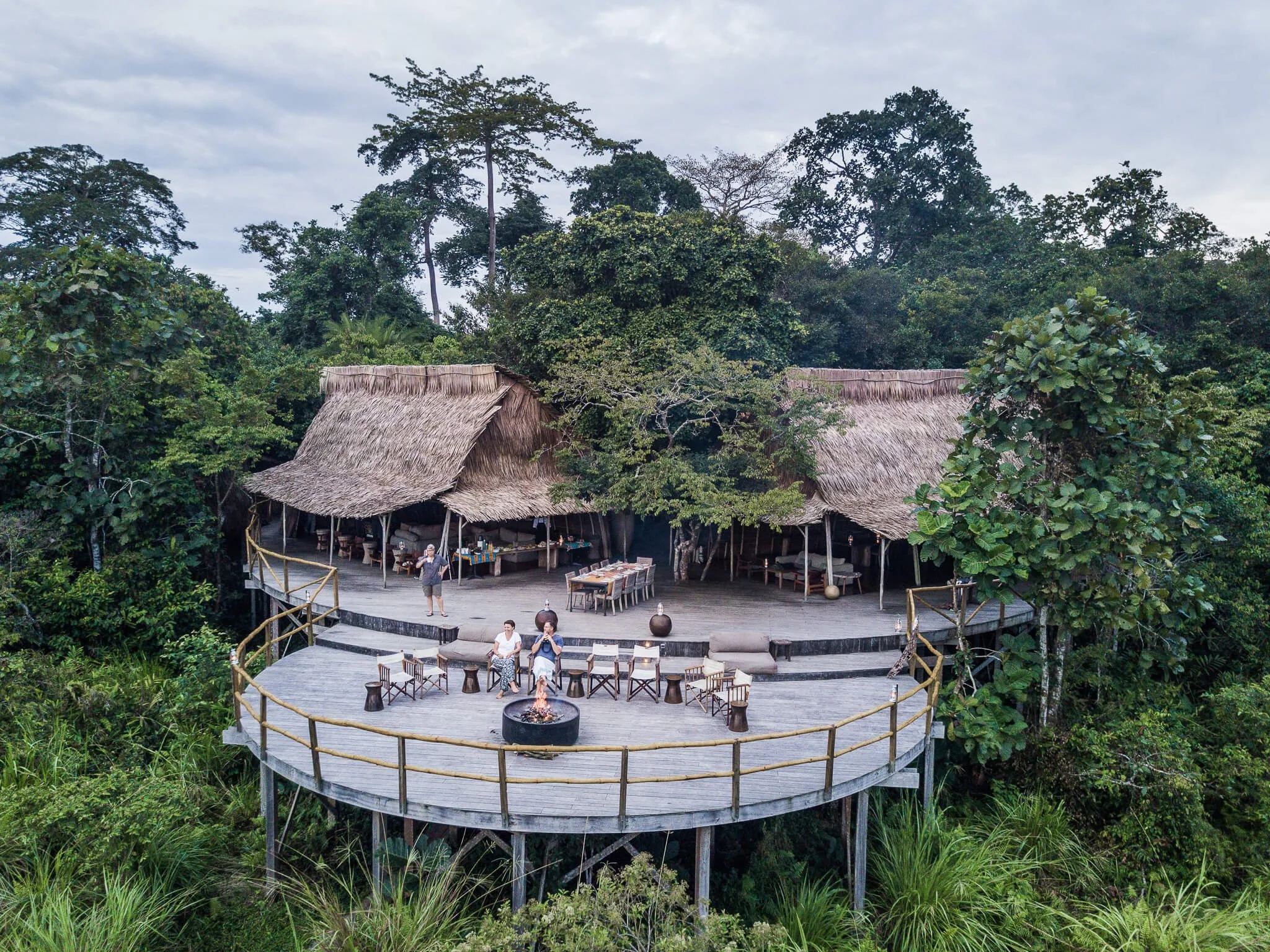
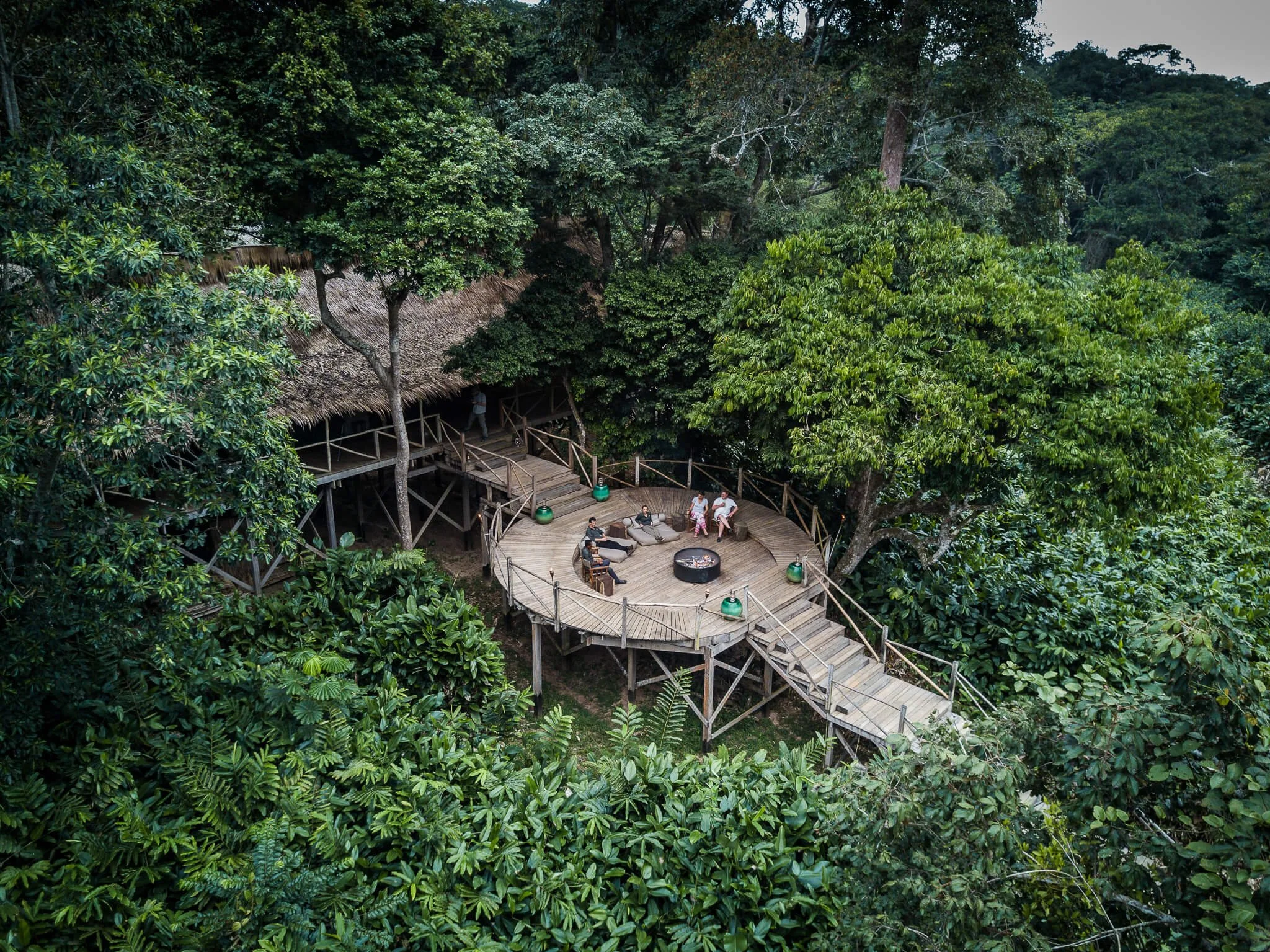
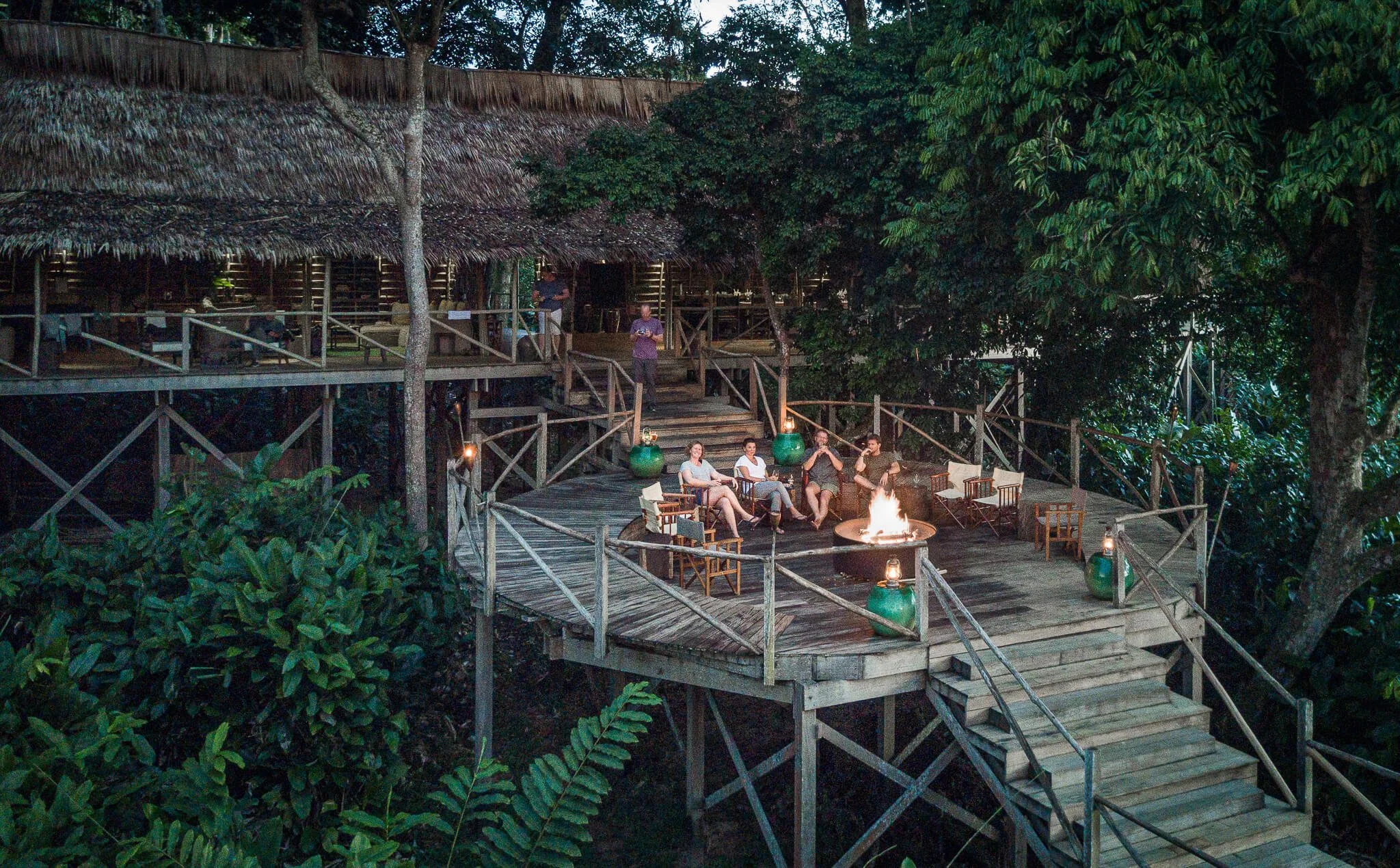
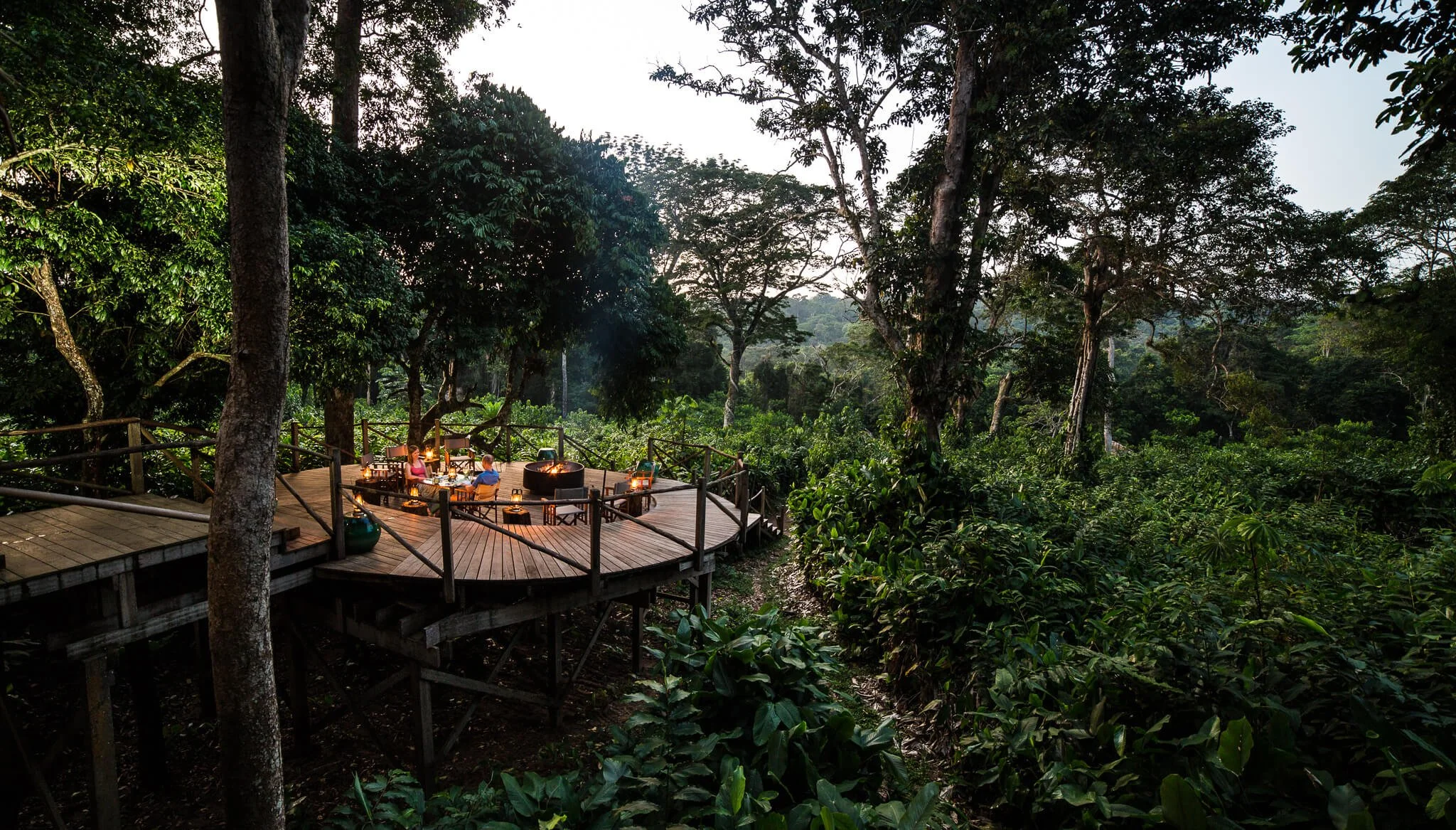
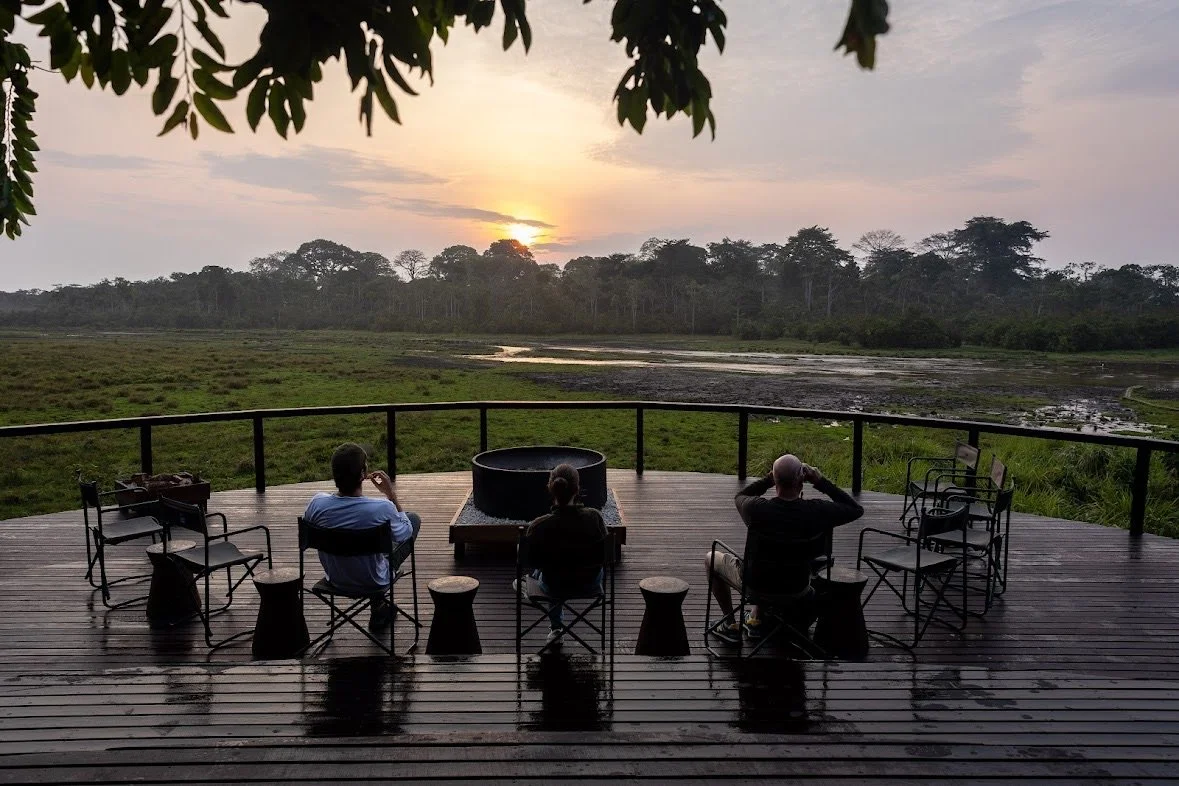
This is the most exclusive gorilla trekking destination on earth. With exceptionally low visitor numbers, profoundly intimate encounters and an atmosphere that evokes a genuine expedition rather than the more developed Rwanda–Uganda circuit of defined trails and developed tourism infrastructure.Expect breathtaking sunset cocktails, candlelit dinners, mini themed events throughout the week - endless laughter, good wines and lots of Mongolian vodka…
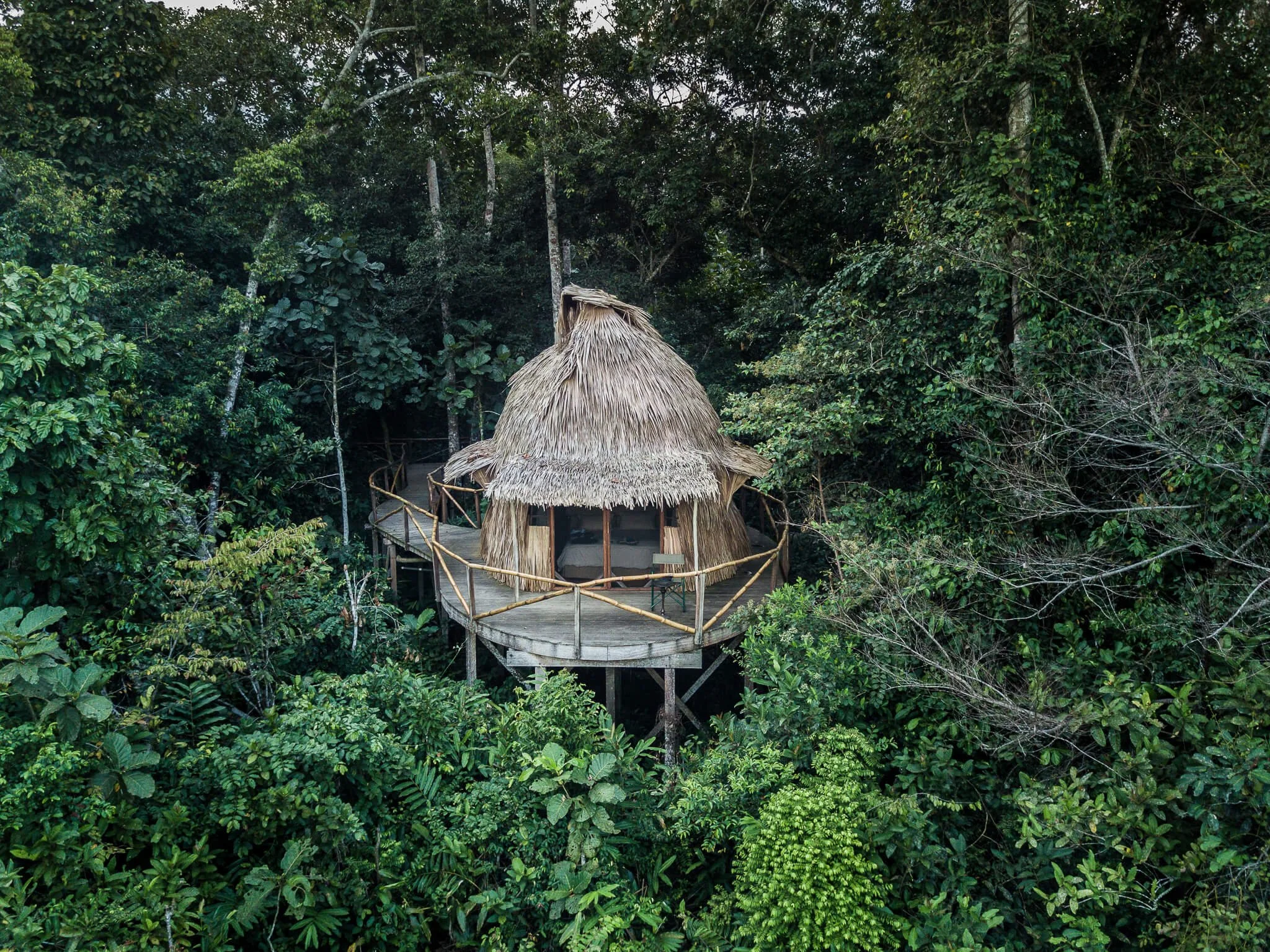
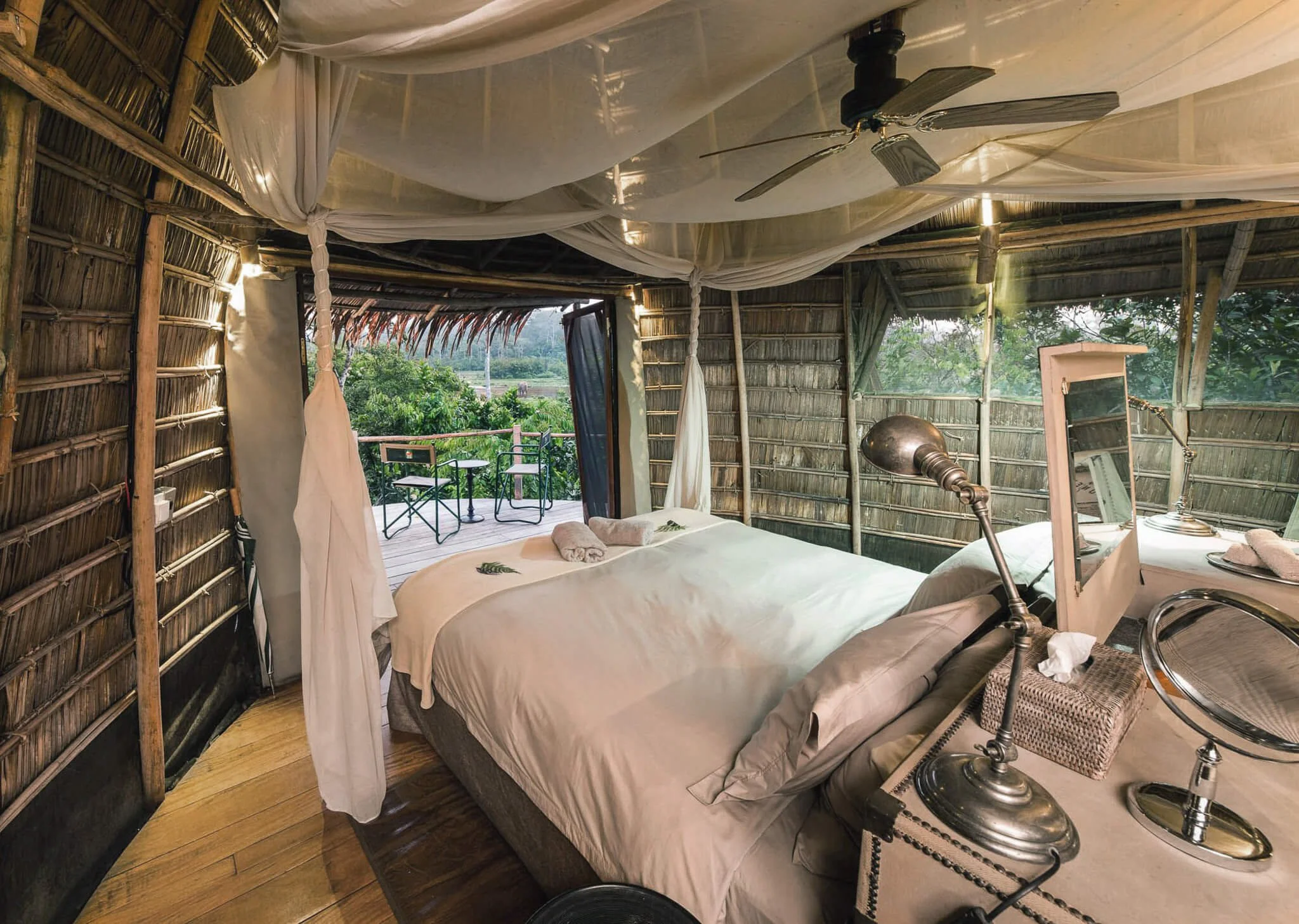
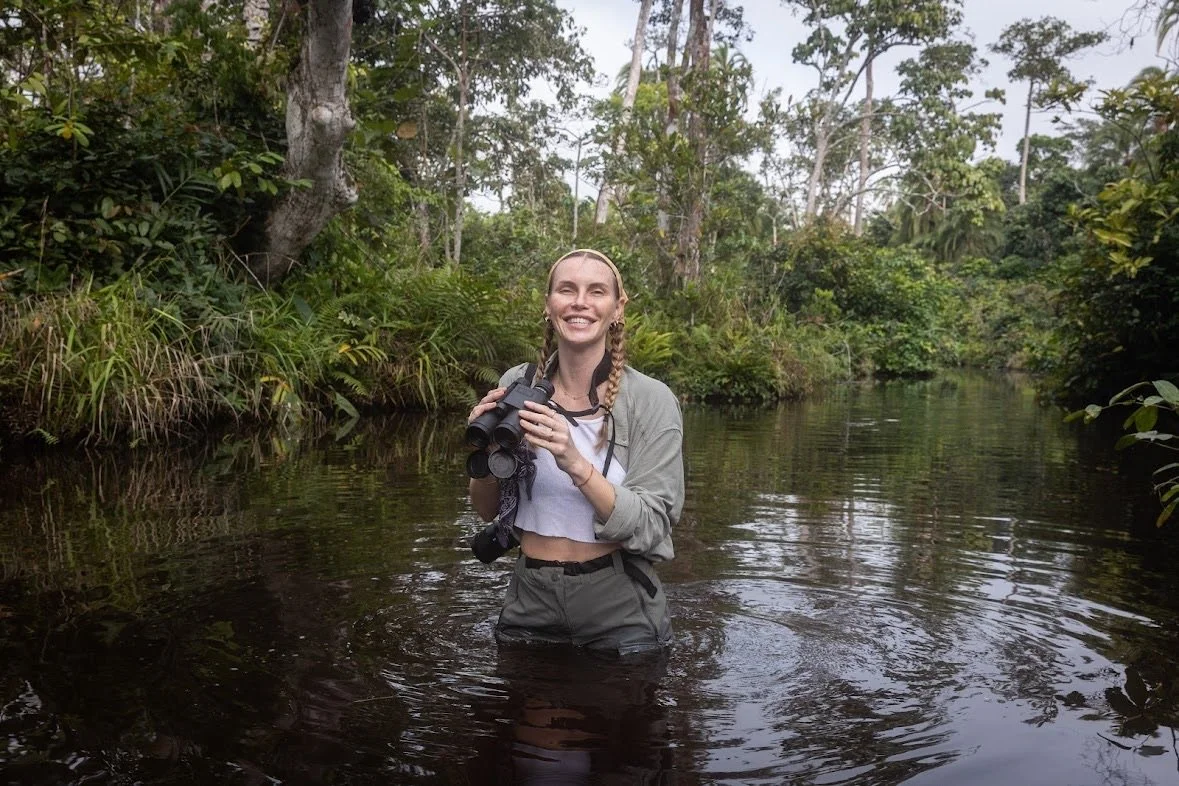
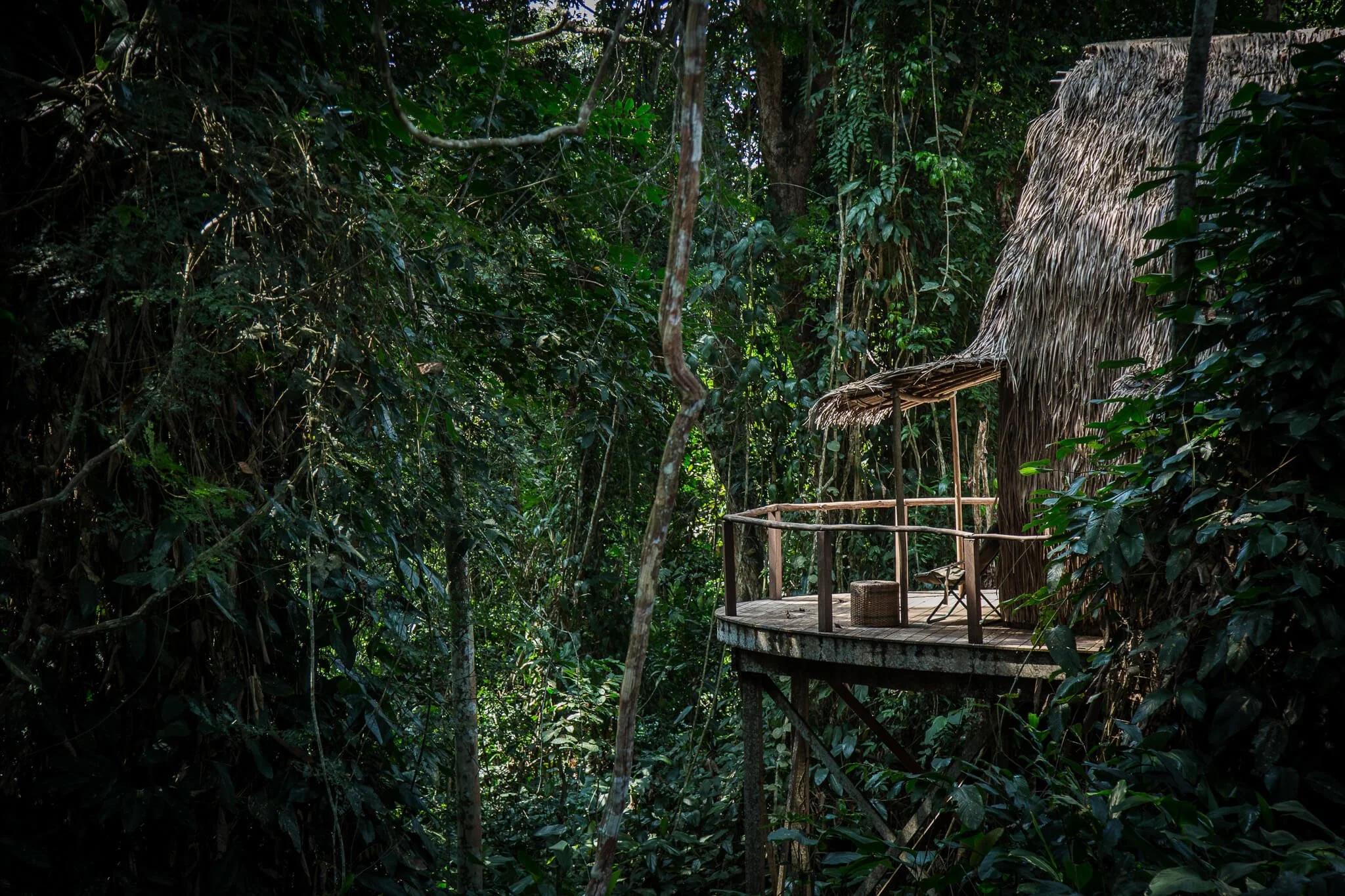
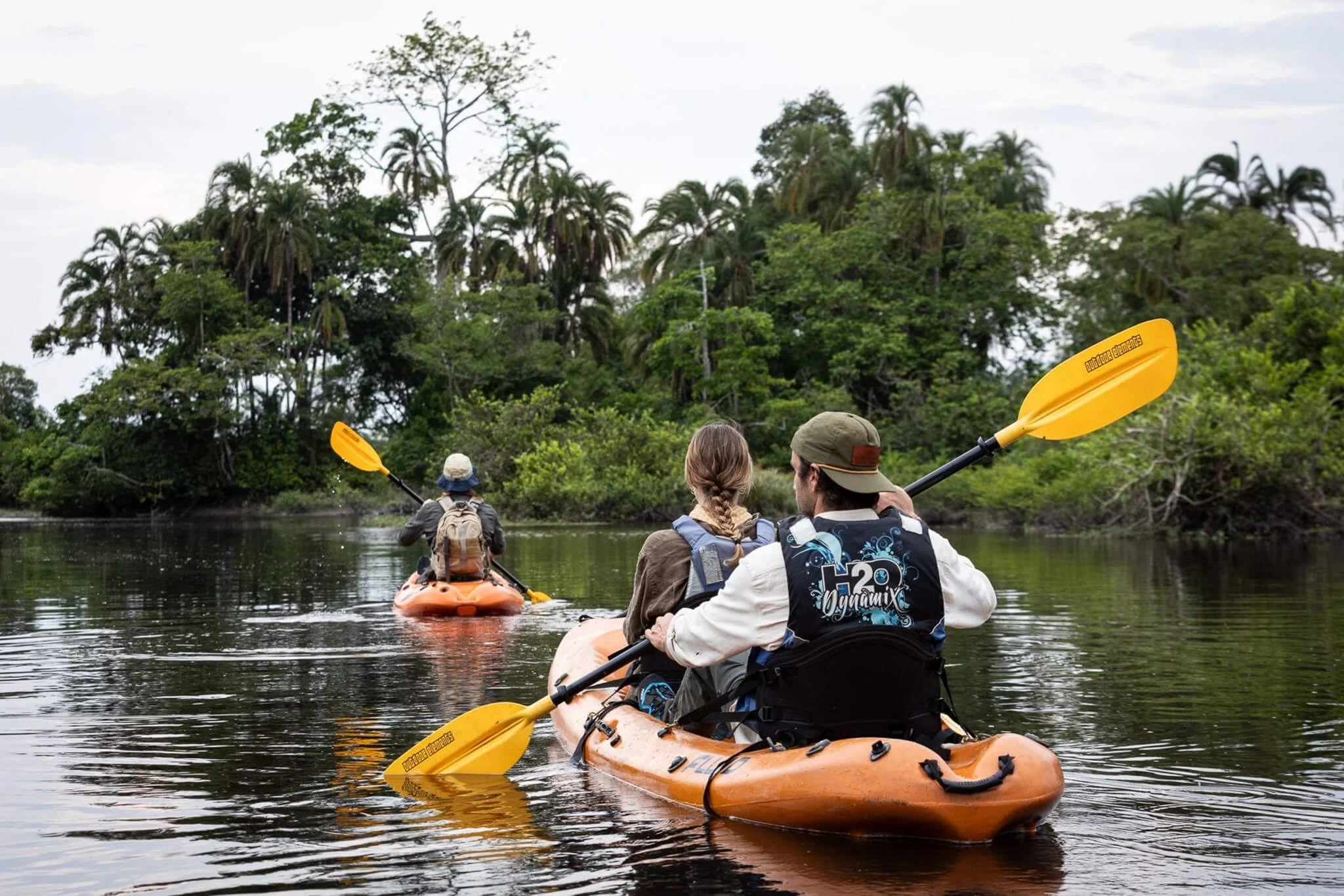
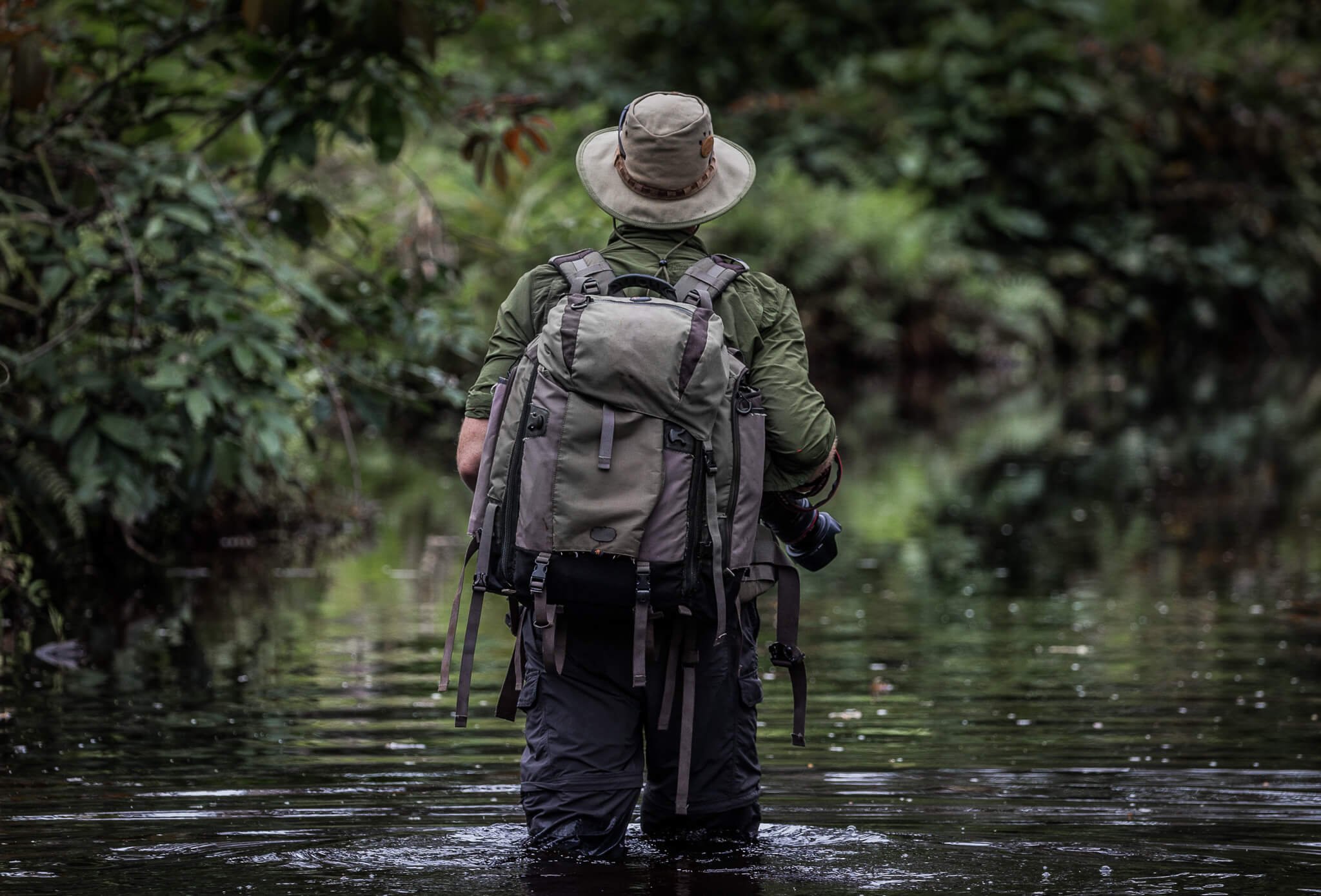
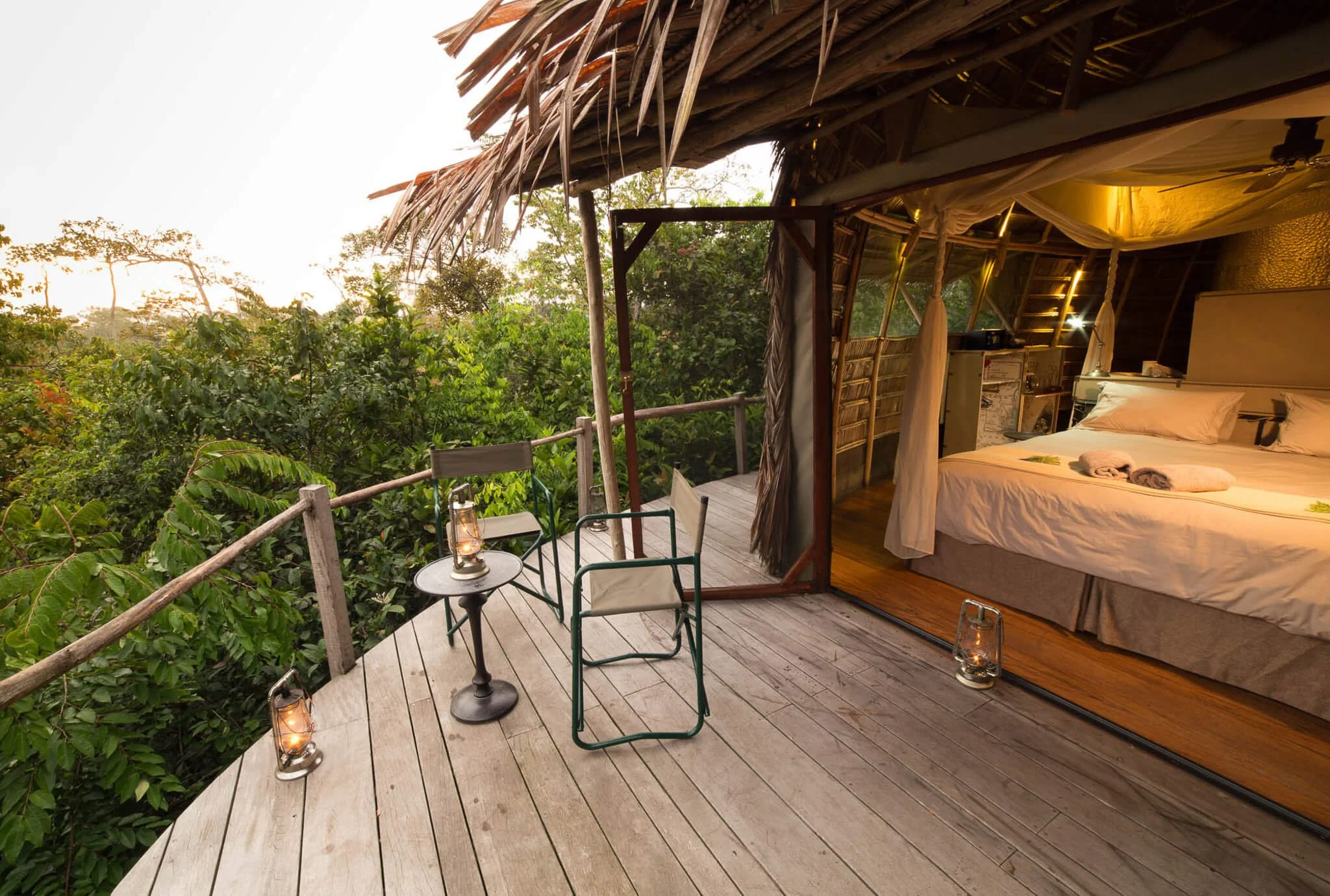
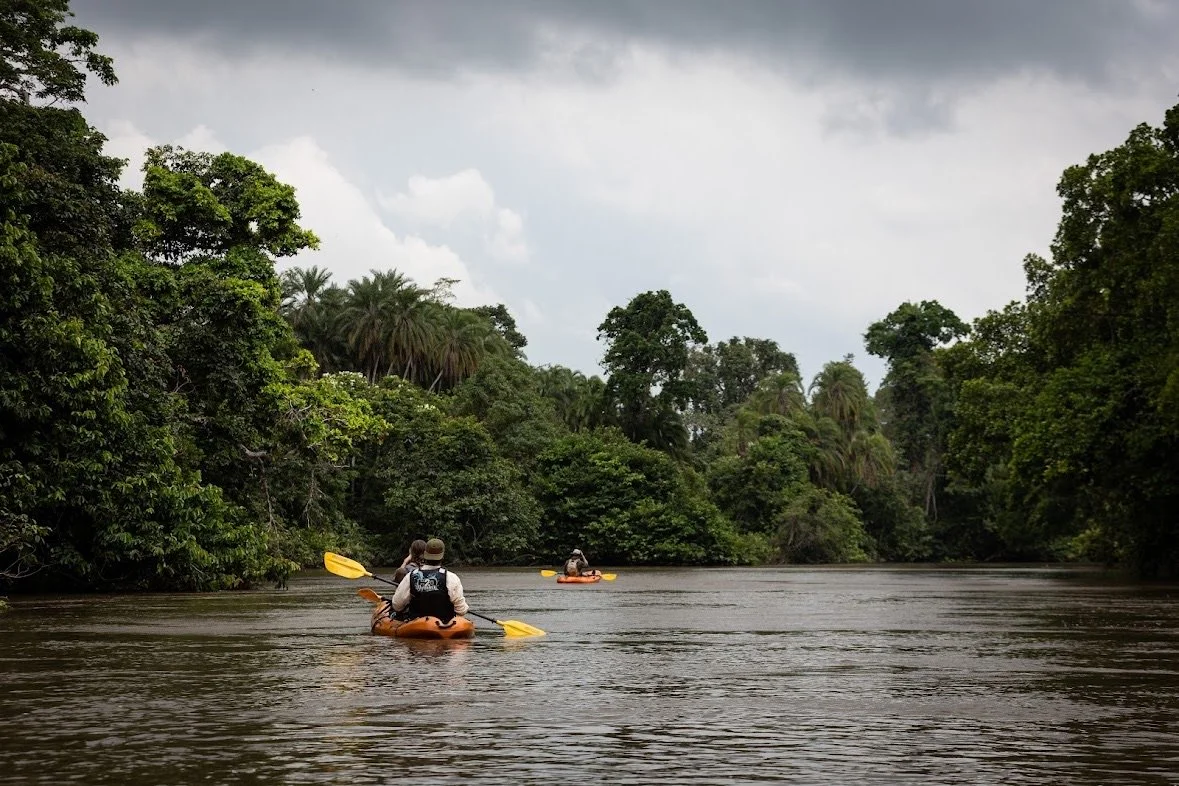
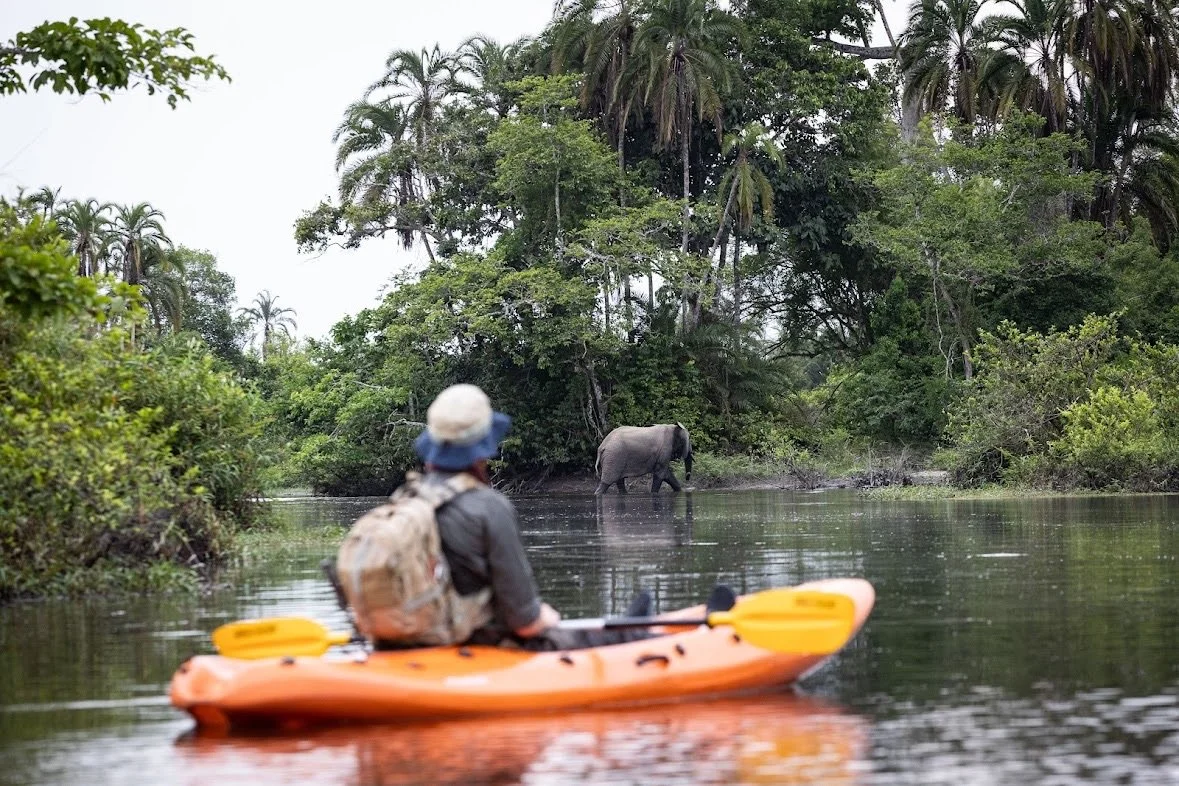
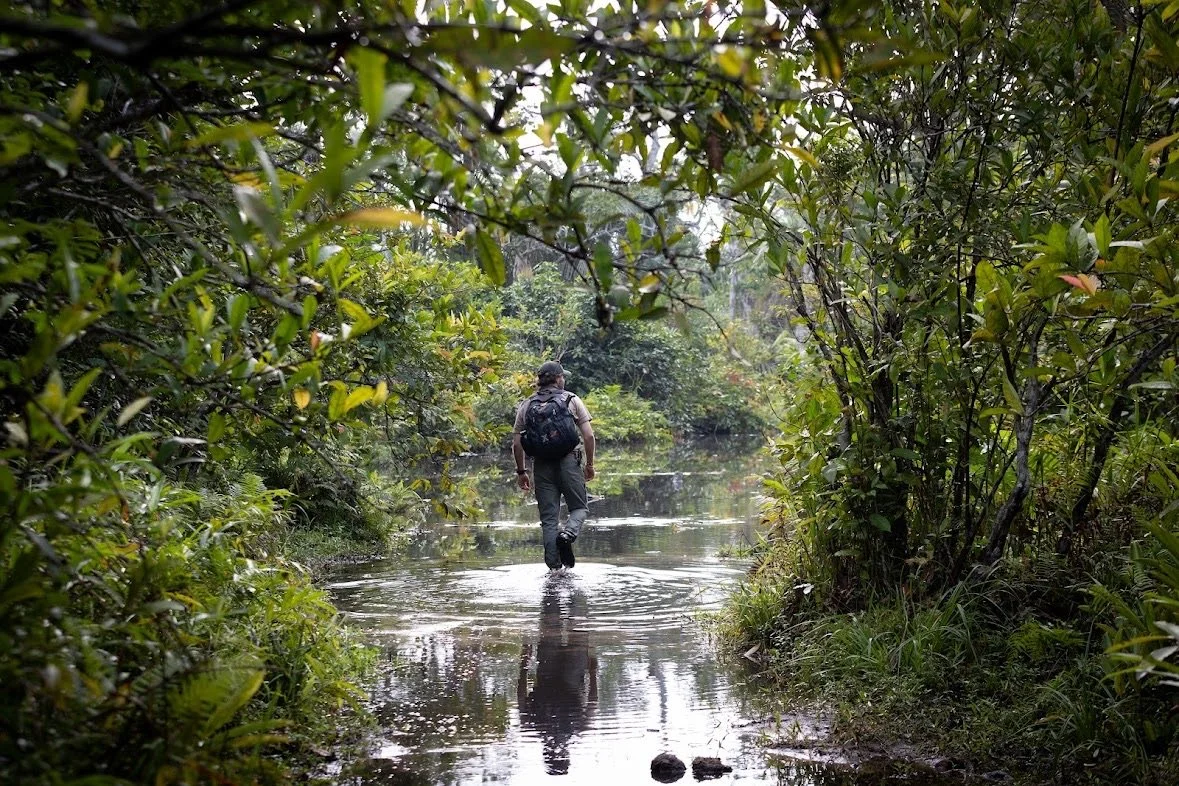
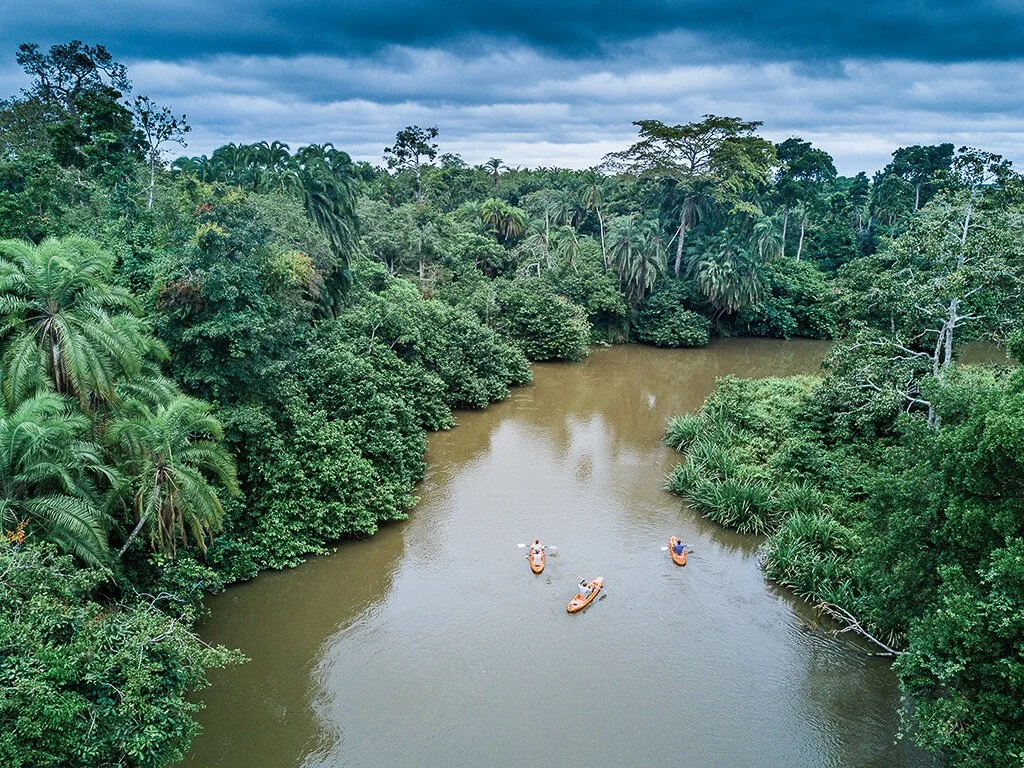
Here, days unfold at nature’s pace. Our trusted guides read the land intuitively, following tracks, light, and movement. Game drives, hikes alongside guides and trackers, kayak cruise down the rive, and boat rides along the banks always give way to stunning encounters. It is simply impossible not to be amazed by nature in pristine environment. There are no crowds, no fixed routes - only space, loud silence, and the quiet thrill of being part of the Jungle, yet in such comfort.
PURPOSE
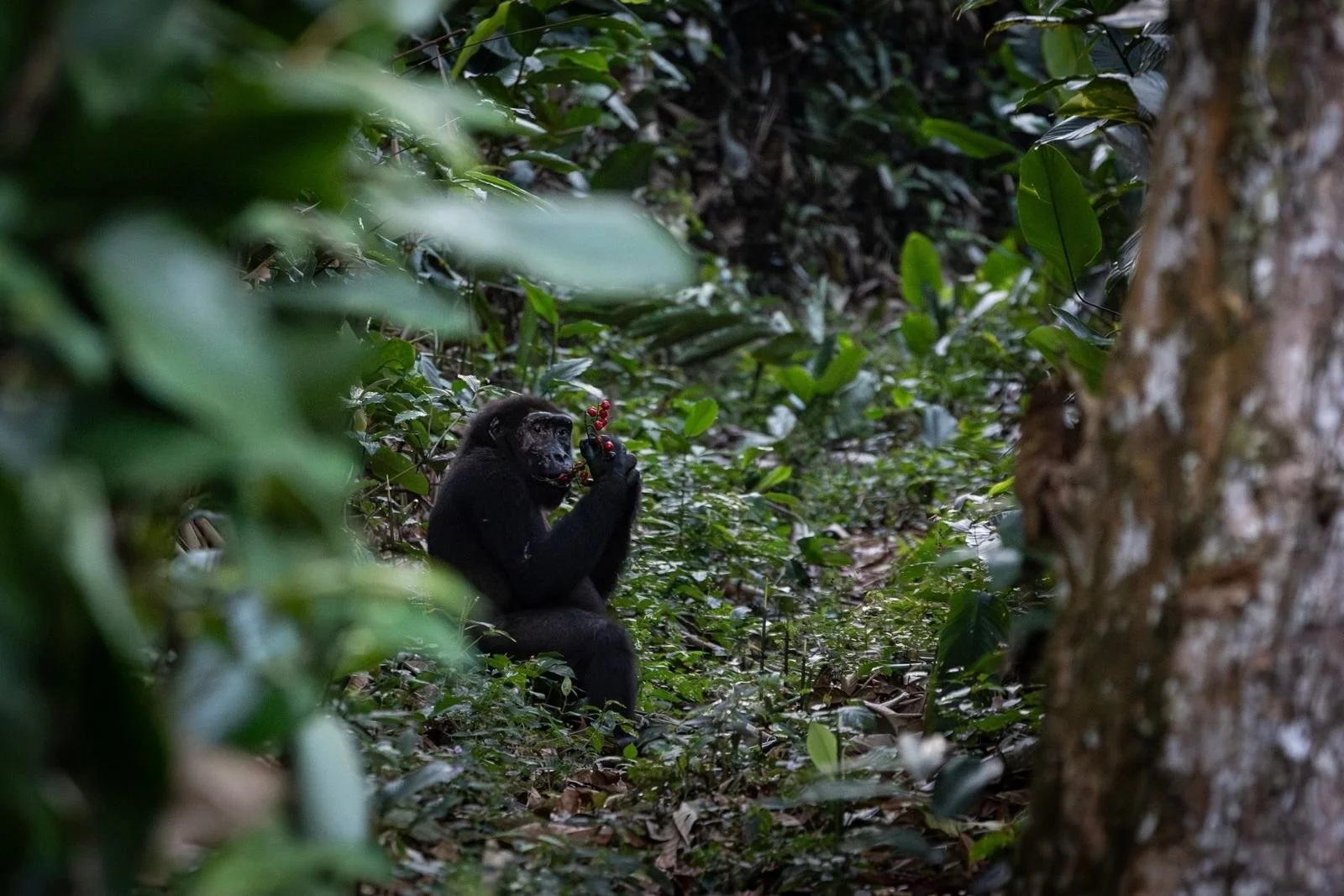
Seeing animals in the wild - on their terms, in their own terrain - changes the way responsibility is felt. What was once abstract becomes personal. What was distant becomes urgent.
Our journeys are designed to create proximity, not spectacle. Time is spent observing, learning, and understanding the fragile balance between wildlife, land, and the people who coexist with it. From this closeness, care follows naturally - and so does action.
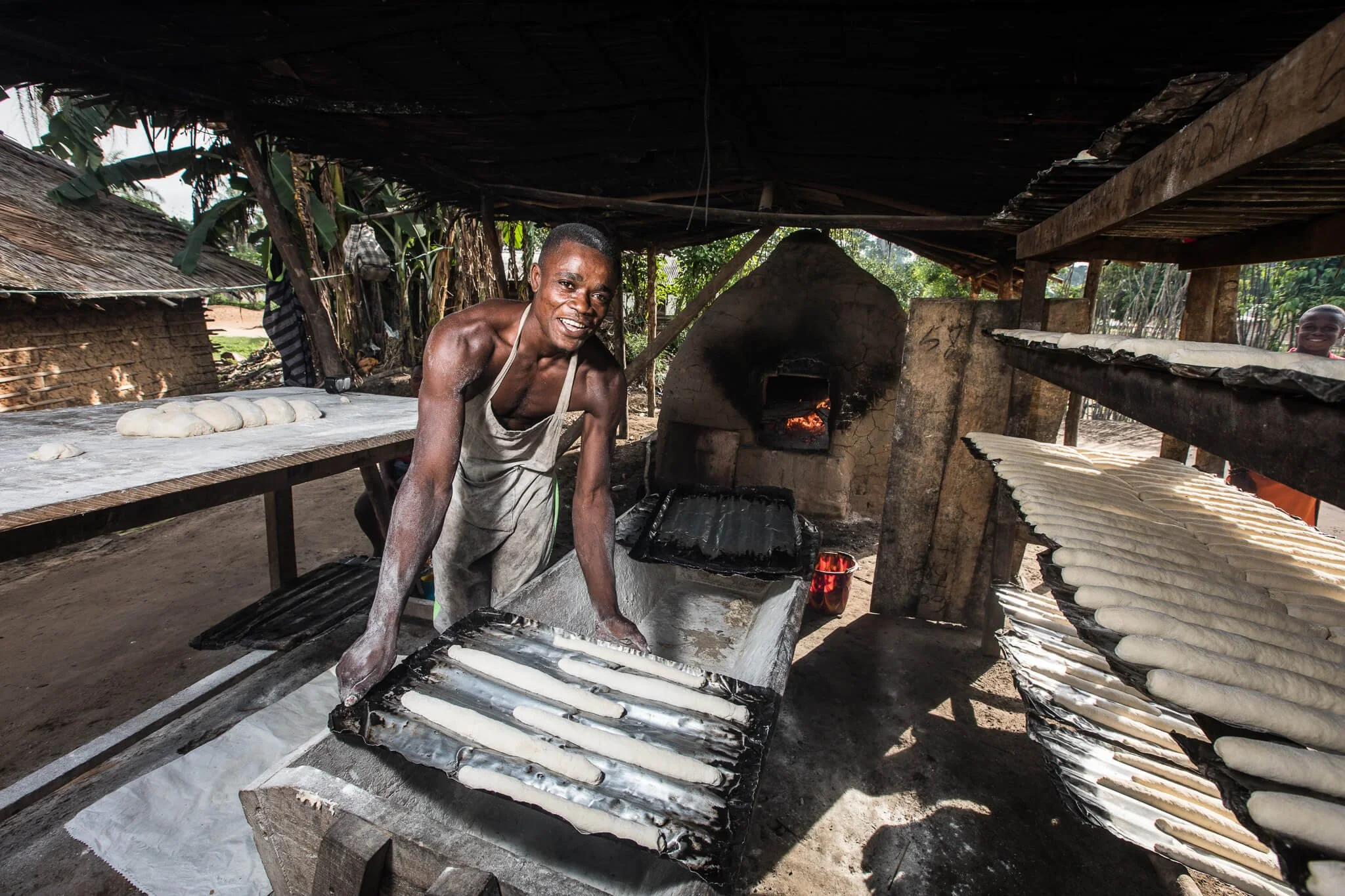
Through long-term partnerships with conservation organisations and local custodians, each experience directly supports the protection of wild places and the species that depend on them.
the aim in congo is to establishing conservation-based tourism to compete against logging, mining, poaching, and other destructive enterprises still in place in these areas that threaten the forest and its earthlings. We achieve those goals through the KARE framework:
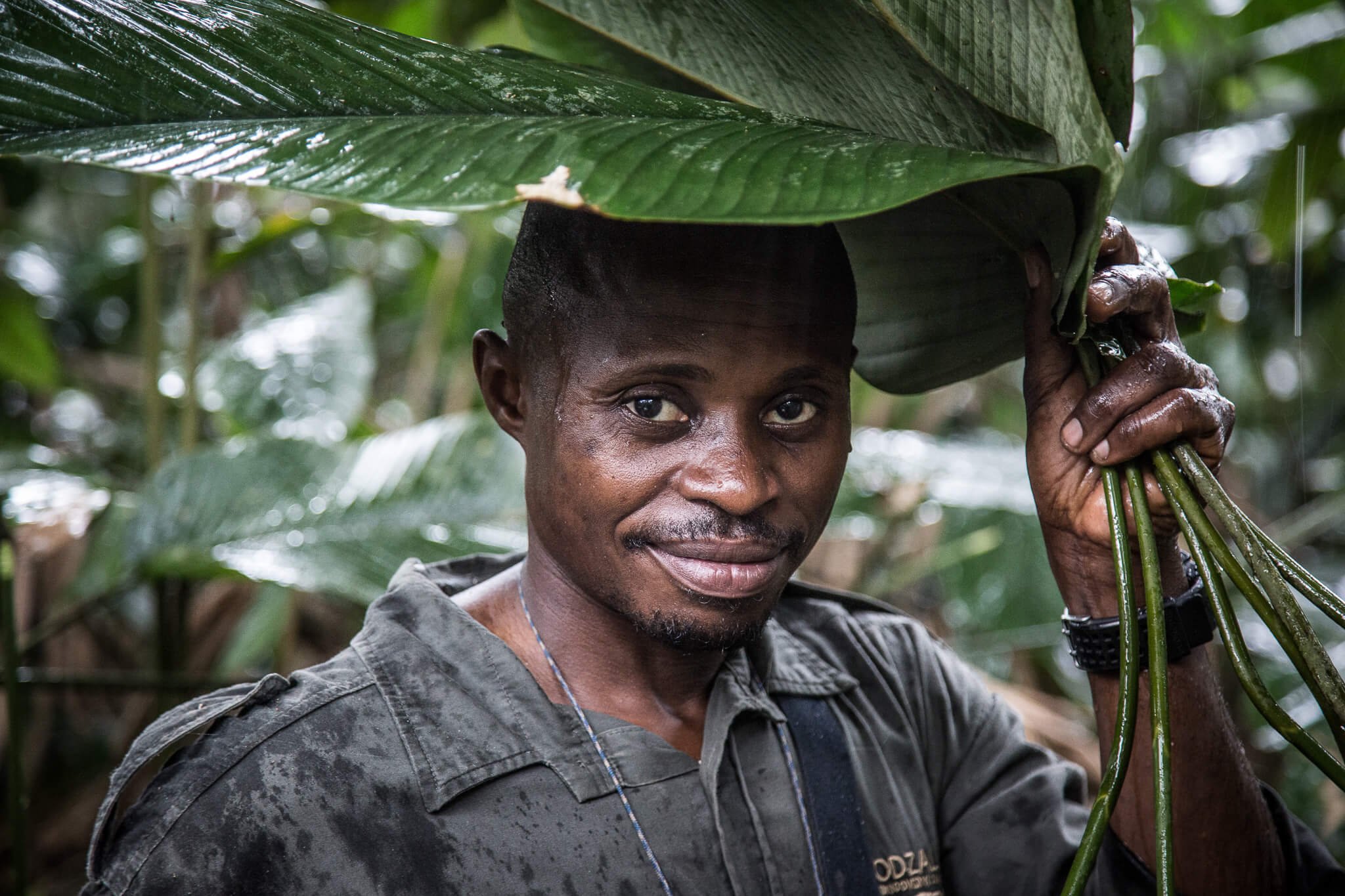
KNOWLEDGE: eco-tourism demonstrates to local residents the economic value of their natural heritage and persuades them to protect it.
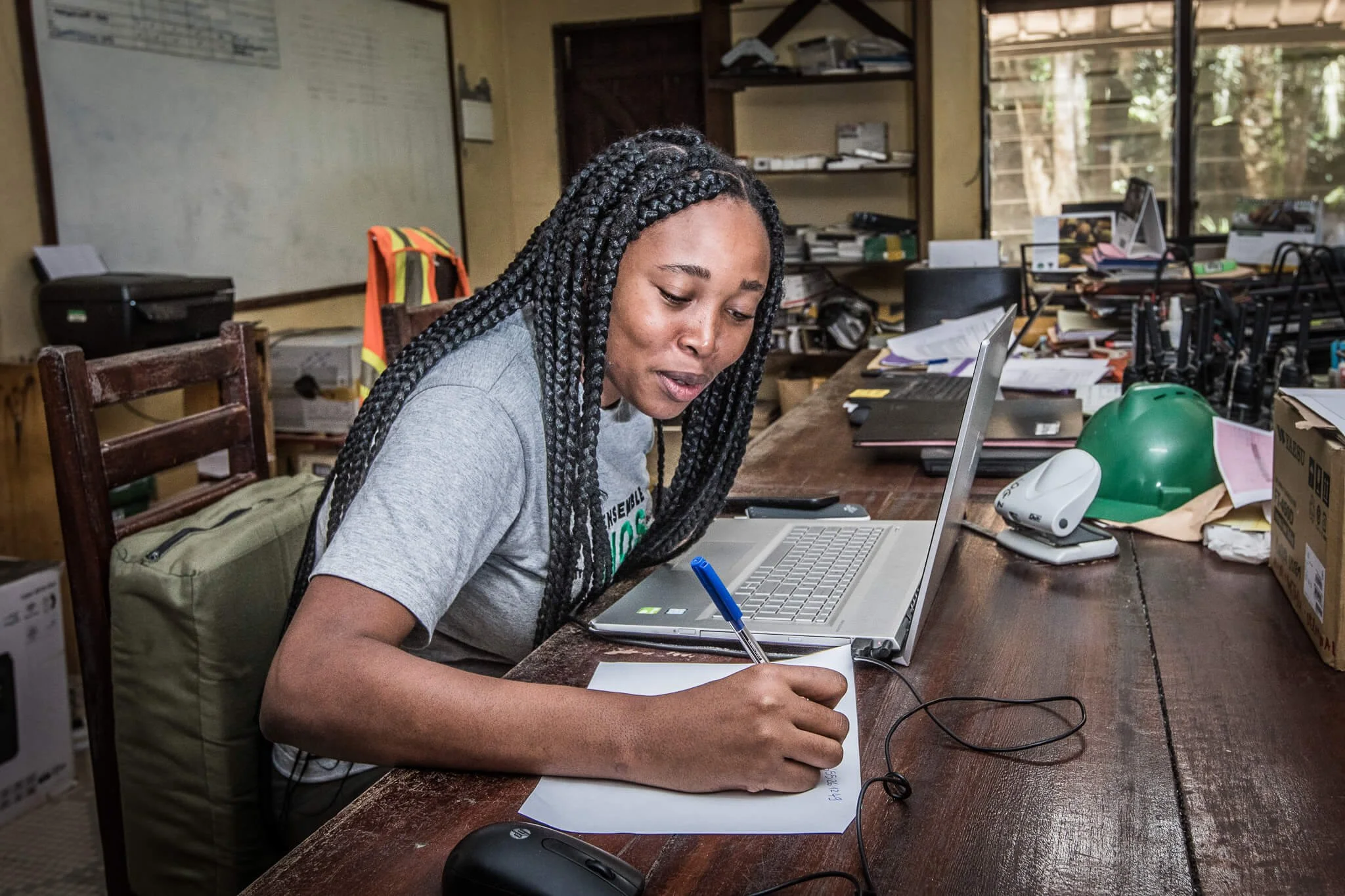
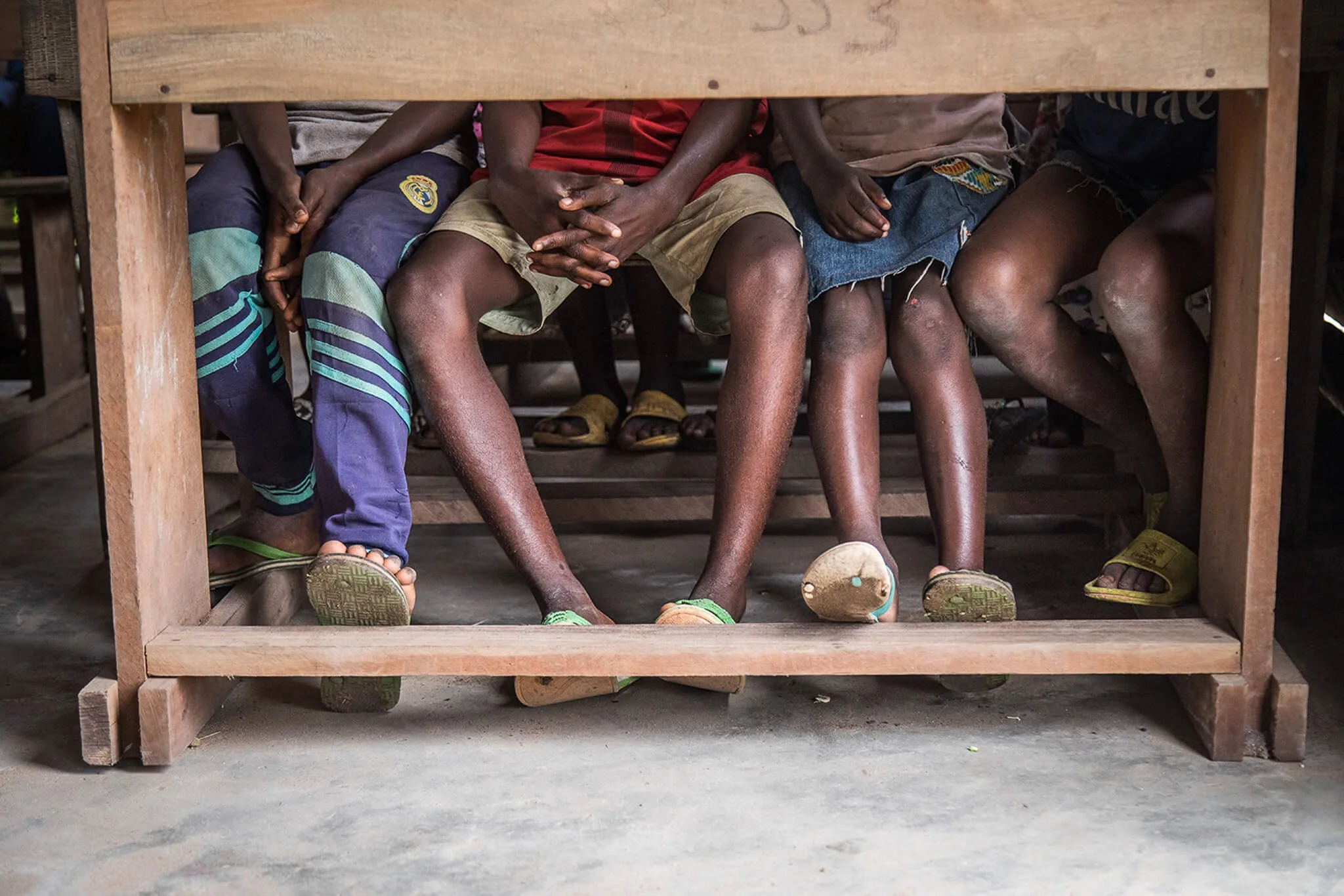
ENHANCEMENT: Funding education, health care, and training opportunities for local residents helps them achieve economic self- sufficiency
RESEARCH: Backing scientific endeavours to understand and protect threatened species.
ECO-TOURISM: Generating sustainable economic opportunities offers a compelling alternatives to harmful activities, ensuring both the health of the rainforest and the wellbeing of its inhabitants.